
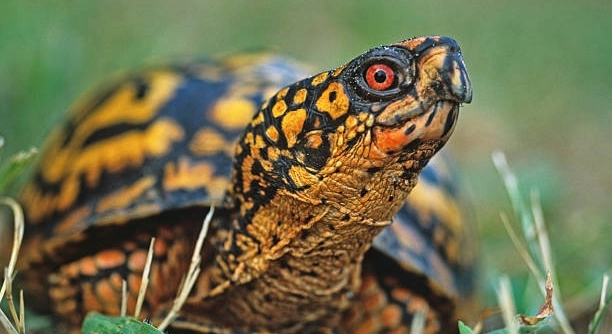
Box turtles are fascinating creatures, but providing them with the right environment is key to their well-being. One important factor to consider is the substrate, which plays a vital role in their habitat.
Box turtles benefit from a multi-layered substrate because it offers better moisture retention, encourages natural digging behavior, promotes proper waste filtration, and helps maintain temperature regulation. These advantages contribute to a healthier, more stimulating environment for the turtle.
Understanding the advantages of a multi-layered substrate can help you create the perfect home for your box turtle.
Importance of Substrate Layers for Box Turtles
A multi-layered substrate is essential for box turtles because it mimics their natural habitat. In the wild, they are often found in areas with a variety of soil and plant materials that provide the right conditions for burrowing and humidity. A single-layer substrate may not offer the necessary support for these behaviors. By incorporating multiple layers, you create a more dynamic environment that benefits your turtle’s health. Each layer serves a specific function, whether it’s moisture retention, aeration, or waste filtration. Without this, the turtle’s habitat could become too dry or too damp, affecting their overall well-being.
A multi-layered setup is particularly important for maintaining humidity and temperature. It also aids in preventing the growth of harmful bacteria or mold that may develop in less ventilated setups. The layers can include a base of coconut fiber or soil, topped with materials like sphagnum moss or leaf litter. This ensures a balance between air circulation and moisture.
Incorporating multiple layers ensures your box turtle has access to a more natural environment. It provides them with more opportunities for exploration, digging, and hiding, which are critical behaviors for their mental and physical health. These elements play an essential role in keeping your turtle active and engaged, preventing stress or health issues.
Benefits of Moisture Retention
Moisture retention is another critical factor when setting up your turtle’s habitat.
A substrate with good moisture retention helps keep the environment at the proper humidity levels. Box turtles thrive in a moderately humid environment, as it supports their skin and respiratory system. Having the right balance of moisture can prevent dehydration, a common issue that can lead to health problems like shell deformities and skin shedding issues.
Encouraging Natural Digging Behavior
Box turtles are instinctively burrowers, and a multi-layered substrate encourages this behavior. Layers with different textures and densities provide a more natural and stimulating environment. This helps to mimic the conditions they would find in the wild, where they dig for food, shelter, and warmth.
Allowing your box turtle to dig can promote physical activity and reduce stress. It gives them a sense of security, as they can hide beneath the substrate, which helps them feel more comfortable. In addition, digging helps the turtle to regulate its body temperature by choosing cooler or warmer areas depending on its needs.
A proper substrate setup with layers also provides the opportunity for your turtle to engage in more complex behaviors. This is crucial for both physical health and mental stimulation. Without a suitable substrate, your turtle may become lethargic or anxious, as it lacks the stimulation that comes from natural behaviors like digging and burrowing.
Promoting Proper Waste Filtration
Multi-layer substrates also play a role in waste filtration, which is crucial for maintaining a clean and healthy environment.
By layering materials like sand or soil on the bottom, waste from your turtle’s enclosure can be absorbed more efficiently. These layers help prevent waste from sitting on the surface, which can lead to an unhealthy buildup of bacteria or odors. A well-structured substrate setup filters waste through the layers, preventing it from contaminating the top layer where your turtle moves.
Keeping waste from accumulating helps maintain a more sanitary environment for your turtle. It reduces the risk of infections and skin problems that can arise from exposure to unclean conditions. A clean, filtered substrate ensures your turtle stays healthier for longer, minimizing the need for frequent cleaning.
Enhancing Temperature Regulation
A multi-layered substrate can help regulate temperature, ensuring your box turtle stays comfortable. Layers of different materials trap heat and moisture, which helps maintain a consistent temperature. This is particularly important for creating a warm, basking area and a cooler, shaded space within the enclosure.
With proper layers, the temperature remains stable throughout the enclosure, mimicking the natural thermal gradients that box turtles experience in the wild. A stable temperature encourages healthy activity and digestion, while preventing stress or health problems caused by fluctuations. The different layers allow the substrate to absorb heat during the day and release it at night.
Supporting Healthy Shell Growth
A suitable substrate encourages healthy shell growth by promoting proper hydration and reducing the risk of abrasions.
Box turtles require a moist environment to maintain healthy skin and shell. The right layers of substrate help retain moisture, which prevents dehydration, a common issue that can affect shell growth. Healthy hydration supports natural shedding and prevents the shell from becoming brittle or cracked.
FAQ
What materials should I use for a multi-layered substrate?
For a multi-layered substrate, you can use a combination of coconut coir, sphagnum moss, topsoil, and sand. These materials work well together to provide moisture retention, aeration, and comfort for your turtle. Coconut coir and moss help with humidity, while sand or soil layers aid in filtration and provide texture for digging.
How deep should the substrate layers be?
The substrate should be at least 4-6 inches deep to allow your box turtle to burrow. If you have a larger enclosure or multiple turtles, you may need to increase the depth. Deeper layers provide more space for digging and ensure that the moisture levels are well-maintained.
How often should I clean the multi-layered substrate?
You should spot-clean the substrate regularly, removing waste and uneaten food daily. Full substrate changes should be done every 4-6 weeks, depending on the size of the enclosure and the number of turtles. Over time, the lower layers may become compacted, requiring replacement or refreshing.
Can I use a single type of substrate for box turtles?
While single substrates like coconut coir or soil can work, combining different materials provides better results. A multi-layered approach offers moisture retention, filtration, and texture, making it more beneficial for your turtle’s overall health. It also mimics the natural conditions that turtles experience in the wild.
How do I maintain proper humidity in the enclosure?
Maintaining humidity is crucial for box turtles. In addition to the multi-layered substrate, you can place a water dish in the enclosure, use a humidity gauge, and mist the substrate occasionally. Ensuring the right humidity level (60-80%) will help prevent dehydration and skin issues.
Do I need a heating element with a multi-layered substrate?
Yes, even with a multi-layered substrate, your box turtle may require a heating element to maintain a basking temperature of 85-90°F. The substrate layers help to regulate temperature, but adding a heat lamp or under-tank heater will provide the necessary warmth. Ensure the heat is not concentrated in one area to avoid stress.
Can I use live plants with a multi-layered substrate?
Yes, live plants can be added to the enclosure, as long as they are non-toxic to box turtles. Plants can improve the enclosure’s humidity, provide hiding spots, and enhance the aesthetic. Ensure the plants’ roots do not interfere with the substrate layers and that the plants are safe for your turtle to interact with.
Should I worry about mold in the substrate?
Mold can develop in the substrate if it becomes too damp or is not ventilated properly. To prevent this, ensure your enclosure has adequate airflow and remove any wet, decaying matter quickly. You can also spot clean any areas where mold is starting to form. Keeping the humidity levels in check will also help prevent mold growth.
How can I encourage my box turtle to dig in the substrate?
To encourage digging, make sure the substrate is deep enough and offers a variety of textures. Use a mix of soft materials like coconut coir and firmer materials like sand or soil. Regularly refreshing the substrate will also keep it loose and inviting for digging, which helps stimulate your turtle’s natural behavior.
Is it okay to use commercial reptile bedding for box turtles?
While commercial reptile bedding is available, it often lacks the variety of textures and moisture retention that box turtles need. It’s best to create a more natural substrate using organic materials like coconut coir, moss, and topsoil. These materials support digging behavior and offer better moisture control.
Can I mix different types of soil in the substrate?
Yes, mixing different types of soil can be beneficial for your box turtle’s enclosure. A mix of topsoil and sand provides a natural, breathable substrate. It helps with moisture retention while ensuring the substrate does not become too dense or compacted. Just ensure that the soil is free from chemicals or fertilizers.
How can I tell if my box turtle’s substrate is too dry or too wet?
To check if the substrate is too dry or too wet, feel it with your hand. It should be slightly damp but not soggy. If it’s too dry, you can mist it with water. If it’s too wet, you may need to add more dry material or allow it to air out to avoid mold growth.
Final Thoughts
A multi-layered substrate offers numerous benefits for box turtles, making it an essential part of their habitat. The layers provide a more natural environment, encouraging behaviors like digging and burrowing, which are important for their well-being. By mimicking the conditions turtles experience in the wild, you can help keep your pet physically active, mentally stimulated, and less stressed. The right combination of materials can also improve waste filtration, maintain stable temperature gradients, and support proper hydration, all of which are key to your turtle’s health.
When setting up the substrate, it’s important to focus on depth and material selection. A mix of coconut coir, sphagnum moss, and soil provides the perfect balance of moisture retention and aeration. These materials support natural digging behavior while allowing moisture to be absorbed and retained in the right amounts. Remember to check the substrate regularly for waste and replace layers as needed. Cleanliness is important, as a well-maintained substrate prevents bacterial buildup and ensures a safe environment for your turtle.
Incorporating a multi-layered substrate not only enhances your turtle’s living conditions but also helps prevent common health problems. By providing a suitable environment that promotes natural behaviors, you encourage your turtle to thrive. Whether you are a first-time turtle owner or have had turtles for years, this simple adjustment can significantly improve their quality of life.

Hello,
If you enjoy the content that we create, please consider saying a "Thank You!" by leaving a tip.
Every little bit helps us continue crafting quality advice that supports the health, happiness, and well-being of pets around the world, for pets of all shapes, sizes, and species.
We really appreciate the kindness and support that you show us!