
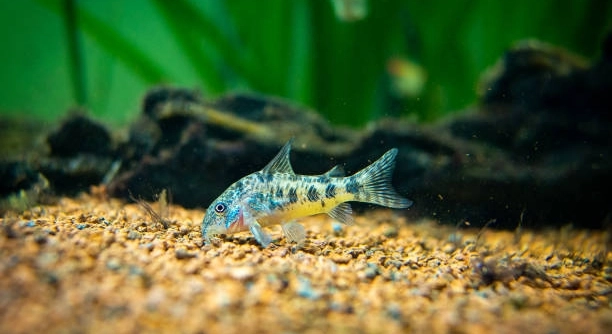
Are your Corydoras catfish acting differently, suddenly chasing each other or showing signs of stress in your tank?
Corydoras catfish may appear to be fighting due to territorial disputes, overcrowding, lack of hiding spots, or mismatched tank mates. Although they are typically peaceful, certain conditions can trigger stress-related aggression or dominance behaviors.
Learning the reasons behind these behaviors can help you create a safer, more peaceful home for your fish.
Why Your Corydoras Catfish Might Be Fighting
Corydoras catfish are known for their calm and social nature, but certain changes in their environment can cause stress and lead to aggressive behavior. Overcrowding is a common issue, as too many fish in a small space makes it harder for them to feel safe. If they don’t have enough room to swim or explore, they may begin to chase or bump into each other. Another factor is tank layout. A bare tank with no hiding spots or plants leaves them feeling exposed. Even subtle changes in water temperature or poor water quality can heighten tension. In some cases, adding new tank mates, especially those that are more dominant, can cause existing Corydoras to behave defensively. It’s also worth checking if they are actually fighting or just engaging in normal, playful behavior. Corydoras are often active and social, which can sometimes be misread as aggression.
Sometimes, what looks like fighting is simply them sorting out social order or showing signs of stress from an unbalanced tank setup.
It helps to observe closely and take note of when and how often the behavior occurs. This can reveal patterns related to feeding, light changes, or new additions to the tank.
7 Ways to Prevent Aggression in Corydoras Catfish
Keeping aggression low starts with giving your Corydoras a peaceful, clean space where they feel secure and comfortable.
Use a tank that’s large enough for your group. Corydoras do best in schools of six or more, but they need space to move around without crowding. Stick to soft, sandy substrate to protect their delicate barbels and make sure there are plenty of hiding places. Adding plants, driftwood, or decorations breaks up lines of sight and gives them areas to rest. Keep tank mates gentle and peaceful—fast or nippy fish may create stress. Keep your water parameters stable and do regular cleanings to avoid ammonia build-up or sudden pH changes. Feed them consistently with food that sinks, and spread it out so they’re not all competing in one spot. If introducing new fish, do it gradually and observe how the Corydoras react. A calm tank environment encourages their natural behaviors and reduces unwanted aggression.
Common Mistakes That Lead to Corydoras Aggression
Overstocking the tank is one of the biggest mistakes. It limits swimming space and increases stress. Another common issue is pairing them with aggressive or overly active fish that disrupt their peaceful nature and space.
Inadequate hiding spots can make your Corydoras feel unsafe. Without plants, caves, or decor, they may compete for the little cover available. Poor water conditions also affect their mood—high nitrates, unstable pH, or dirty substrate can cause irritation and discomfort. Feeding habits matter too. If food isn’t spread out or sinks properly, they may bump into each other trying to eat. Avoid using rough gravel that can hurt their sensitive undersides. When setting up your tank, take time to think about their specific needs. Even though they’re hardy, Corydoras will react negatively when their space isn’t right, and that behavior may look like fighting when it’s actually stress or discomfort.
When adding new tank mates or adjusting decor, doing everything at once can overwhelm your fish. Sudden changes may shift their sense of routine, especially if they’re already a bit skittish. Keep in mind, even peaceful species can act out when the environment doesn’t feel balanced. Aggression often comes from discomfort rather than personality. Watch their body language—darting, hiding, or frequent chasing means it’s time to make a few changes. Slow, small adjustments work best. If something in the tank setup is off, your Corydoras will let you know by how they behave. Being patient and observant helps keep everything calm and stable long-term.
How Tank Setup Affects Corydoras Behavior
Lighting, substrate, and tank structure all influence how Corydoras act day to day. Bright lights with no shadows can cause them to feel exposed, while a coarse substrate can hurt their bellies and discourage natural behavior.
A well-structured tank lowers stress and boosts comfort. Start with fine sand instead of gravel—it’s easier on their sensitive barbels and encourages foraging. Use plants and driftwood to create shaded areas and break up the space, helping reduce tension between fish. They enjoy slow-moving water, so make sure your filter doesn’t create strong currents. Keep the water temperature stable, usually between 72–78°F. Sudden drops or spikes will quickly affect their mood. Lighting should be soft or filtered. Bright lights can stress them, especially without places to hide. If your tank feels empty or exposed, Corydoras are more likely to dart around or show signs of anxiety. A cozy setup makes a noticeable difference in how they behave.
Signs of Stress in Corydoras Catfish
If your Corydoras are hiding more than usual or darting around the tank quickly, they may be feeling stressed. Erratic swimming, loss of appetite, and pale coloring are also signs that something in their environment isn’t right.
You might also notice them gasping near the surface or rubbing against objects. These are often signs of poor water quality or discomfort caused by tank conditions. Catching these behaviors early can help prevent further problems.
When to Separate Corydoras Catfish
If you’ve tried fixing the tank conditions and the aggression still continues, it may be time to separate the fish. Use a tank divider or a separate tank to give them space. This is especially helpful if one specific Corydoras is being targeted. Separation allows them to calm down and heal from any stress or injuries. Keep monitoring their behavior before deciding to reintroduce them. In some cases, the aggressive behavior is temporary, but you’ll want to make sure things stay peaceful before bringing them back together.
Final Thoughts on Corydoras Aggression
A few simple changes to their tank can make a big difference in how your Corydoras behave. Peaceful setups help them thrive.
FAQ
Why are my Corydoras chasing each other?
Chasing each other is often a sign of dominance or territorial behavior. Corydoras are social fish but can become competitive when they feel crowded or when there are limited resources like hiding spots or food. It’s also common for males to chase females during breeding attempts. However, if the chasing is too aggressive, it may indicate that there’s too much competition or stress in the tank. Checking water quality, tank size, and adding more hiding spots can help reduce this behavior.
Do Corydoras need a lot of space to avoid fighting?
Yes, Corydoras do better in larger tanks where they can move freely. If your tank is overcrowded, the fish will feel stressed and territorial. Having too many fish in a small space often leads to chasing and aggressive behaviors. A 20-gallon tank is typically the minimum for a small group of Corydoras. Giving them enough space to swim reduces the likelihood of aggression and ensures that they can establish a peaceful social structure within the group.
Can Corydoras live with other fish without fighting?
Corydoras are generally peaceful and get along well with other calm, non-aggressive species. They can coexist with many other fish as long as the tank mates aren’t too dominant or fast-swimming. Avoid pairing them with aggressive species, as the Corydoras may feel stressed and intimidated. Fish like tetras, guppies, or other peaceful bottom dwellers are ideal tank mates for Corydoras.
What kind of substrate is best for Corydoras?
The best substrate for Corydoras is fine, soft sand. Corydoras spend a lot of time on the bottom, searching for food with their barbels. Rough or sharp gravel can cause damage to their barbels and stress them out. Sand allows them to dig and forage naturally without harm. It also keeps the tank cleaner because waste is less likely to get trapped in fine sand compared to coarse gravel.
How often should I clean my Corydoras tank?
Regular tank maintenance is important for keeping your Corydoras happy. Perform partial water changes of about 25% every 1-2 weeks to maintain good water quality. Clean the substrate gently with a siphon during water changes to remove debris without disturbing the sand. You should also check for any buildup on decorations or equipment and clean those as needed. Consistent maintenance prevents ammonia spikes that can stress your Corydoras and lead to aggression.
Can Corydoras catfish get lonely?
Corydoras are social creatures and do best in groups of at least six individuals. Keeping them in small numbers can make them feel isolated and stressed. If they are alone, they may not display the same calm behavior, and aggression could increase. A school of Corydoras helps them feel secure and allows them to establish social order. It’s a good idea to add more fish if your Corydoras are solo to promote their mental and physical well-being.
What water parameters do Corydoras need?
Corydoras prefer slightly acidic to neutral water with a pH range of 6.5-7.5. They also thrive in water temperatures between 72°F and 78°F. Keep the water clean with a good filtration system and ensure that ammonia and nitrite levels are consistently low. Nitrate levels should stay under 20 ppm. Regular water changes and careful monitoring of the tank parameters can help avoid any sudden shifts that might stress your Corydoras.
How do I know if my Corydoras are stressed?
Signs of stress in Corydoras include hiding more than usual, swimming erratically, or rubbing against objects in the tank. They may also stop eating or become pale in color. If you notice your Corydoras swimming near the surface gasping for air, it may indicate poor water quality or low oxygen levels. Stress can also cause them to act aggressively towards other fish. Monitoring their behavior and addressing any issues with water quality or tank conditions can help reduce stress.
Can Corydoras breed in a community tank?
Yes, Corydoras can breed in a community tank if the conditions are right. However, breeding may be more successful if the tank is quiet and peaceful. Corydoras usually lay their eggs on smooth surfaces like glass or plants, and the males will chase the females to encourage spawning. If you want to breed them, you may need to adjust water parameters slightly, such as increasing the temperature or offering more hiding spots for the fry to grow. Keep in mind that not all community tanks are ideal for breeding, especially if there are predatory fish that might eat the eggs.
Is it safe to add new Corydoras to an existing group?
Adding new Corydoras to an existing group can be done, but it should be done carefully. Introduce the new fish gradually, either by floating them in a bag or using a quarantine tank. Adding too many at once can cause stress and aggression. Observe how your current Corydoras react to the newcomers and watch for signs of aggression. If there’s too much tension, separate them temporarily until they adjust. Ensure the new fish are healthy before introducing them to prevent any potential diseases from spreading to the existing group.
Do Corydoras eat plants?
Corydoras are not typically plant eaters, but they may nibble on soft plants or algae if they are hungry or stressed. However, their primary diet consists of sinking pellets, live or frozen food like worms and brine shrimp, and any small bits of detritus they find on the substrate. If you notice plants being damaged, it’s more likely from other tank mates rather than the Corydoras themselves.
Final Thoughts
Corydoras catfish are peaceful, social fish that generally get along with others. However, certain conditions in their tank can lead to aggression and stress. When they feel crowded or don’t have enough hiding spots, they may become more territorial or competitive. These behaviors, like chasing or darting, might seem like fighting, but often, it’s a sign of stress or discomfort. By understanding their natural needs and creating a stable, peaceful environment, you can prevent most of these issues. Proper tank size, substrate, water quality, and tank mates all play a role in how well your Corydoras thrive.
If you notice signs of aggression or stress in your Corydoras, it’s important to address the root cause quickly. Sometimes, minor adjustments to their environment can make a huge difference. Adding more hiding spots, improving water quality, or even changing tank mates can help calm the fish down. Remember that Corydoras are social creatures, so keeping them in groups of six or more is ideal for their mental well-being. This setup allows them to establish a social structure, reducing stress and the likelihood of aggressive behaviors.
In the end, keeping Corydoras happy and healthy is about more than just preventing fighting. It’s about creating an environment where they feel safe and comfortable. By paying attention to their needs and making small changes to improve their living conditions, you’ll be able to enjoy a peaceful aquarium with happy, active Corydoras catfish. With the right care, these fish can be a wonderful addition to your tank for years to come.

Hello,
If you enjoy the content that we create, please consider saying a "Thank You!" by leaving a tip.
Every little bit helps us continue crafting quality advice that supports the health, happiness, and well-being of pets around the world, for pets of all shapes, sizes, and species.
We really appreciate the kindness and support that you show us!