
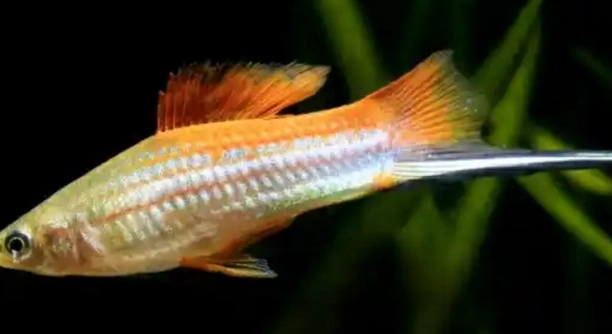
Do you ever find yourself watching your swordtails swim and suddenly notice they’re all gathering in one spot, almost like a meeting?
Swordtails often gather together due to environmental cues such as changes in water conditions, mating behavior, or the presence of predators. This grouping can serve as a survival strategy or a response to social interactions within the tank.
This behavior may seem random, but there’s more going on beneath the surface of your aquarium than you might expect.
What Makes Swordtails Gather Together
Swordtails are social fish, and their behavior can change depending on what’s happening in their environment. When they suddenly start swimming close together, it can be due to shifts in their surroundings. These changes might include new tank mates, temperature adjustments, or even lighting differences. Grouping can also be part of mating behavior, especially if a male is trying to attract females. Sometimes, the presence of food or feeding routines can bring them to one place. Another common reason is safety—gathering closely may be their natural way to feel more secure. In the wild, swordtails often swim in schools to avoid predators. So, when your fish huddle together, they may just be responding to instincts. This kind of behavior is usually harmless and temporary, but it’s good to observe and make sure nothing is wrong with the water or other tank conditions that could be causing stress.
Swordtails also rely on body language and movement to communicate. Staying close helps them send signals to one another more easily, especially during mating or when stressed.
If you notice your swordtails gathering more than usual, take a quick look at their environment. Something small could be affecting how they behave.
When You Should Be Concerned
Sometimes, gathering together is a sign of stress or discomfort. It can happen if the water is too cold, too warm, or not clean enough.
If your swordtails are clustering at the surface or in a corner, it may mean something is off with the tank conditions. Water quality plays a big role in how fish behave. High ammonia, low oxygen, or changes in pH can make them feel unwell. It’s important to regularly check these levels with a test kit. Uneven temperatures or sudden changes can also trigger unusual behavior. If they’re not moving much and just staying in one spot, illness could be a factor. Watch for signs like clamped fins, lack of appetite, or faded color. Introducing a new fish might also lead to stress, especially if it’s aggressive. Even overcrowding can be an issue. Giving swordtails enough space and hiding spots helps them feel safe. Observing their habits and staying consistent with tank care can keep things balanced.
How to Respond to This Behavior
The first step is to stay calm and watch their movements closely. Gathering doesn’t always mean something is wrong. Try to notice if the behavior happens at certain times, like during feeding or after a light change.
Check the water parameters using a reliable test kit. Look at ammonia, nitrite, nitrate, pH, and temperature levels. Make sure the water is clean and within the ideal range for swordtails. If needed, do a partial water change to improve quality. Also, look for signs of illness such as odd swimming, clamped fins, or lack of appetite. If there’s a new fish in the tank, observe interactions to ensure there’s no bullying. Rearranging decorations or adding more plants can help reduce stress by giving them more hiding spots. Keeping the tank calm and stable usually helps this behavior settle down over time.
If your swordtails are crowding near the surface, make sure the tank is properly aerated. Low oxygen can cause them to seek out higher areas where oxygen is more available. You can increase surface movement by adjusting your filter or adding an air stone. This improves oxygen exchange and may help the group spread out again.
Preventing Future Issues
Keeping a regular maintenance routine goes a long way. Clean the tank weekly, test the water, and keep up with filter care. Try to keep temperature and lighting consistent to avoid sudden changes that can upset your fish.
Avoid overcrowding by following stocking guidelines for swordtails. Each fish needs space to swim freely. A general rule is one inch of fish per gallon, but more space is always better. Provide hiding areas using plants or decorations so they can spread out and feel safe. When introducing new fish, quarantine them first to prevent illness. Also, make sure your tank has enough oxygen by keeping good water circulation. Feeding should be consistent, but avoid overfeeding—it can quickly pollute the water. Watch how your fish interact over time. Sudden changes in behavior are easier to catch when you’re familiar with what’s normal for them.
Common Mistakes to Avoid
Ignoring early signs of stress can lead to bigger problems later. If swordtails are acting differently, don’t wait too long to check the tank conditions.
Avoid making sudden changes to the tank setup. Moving decorations or adjusting temperature too quickly can confuse or stress the fish.
How Environment Impacts Grouping
Tank size, water flow, lighting, and hiding spots all affect how swordtails behave. A small or crowded tank can lead them to cluster in tight groups, especially if they feel unsafe. Strong water flow may also cause them to gather in calmer areas. Bright lights without shade or cover can make them anxious, pushing them to hide together. Creating a balanced space with gentle lighting, good filtration, and plenty of cover helps prevent unwanted grouping. Natural behaviors are more likely to show in a calm, well-maintained setup. Keep the tank peaceful, stable, and spacious to give swordtails the freedom to swim comfortably and separately.
What to Watch Going Forward
Take note of patterns in their behavior over time. This helps you spot when something changes and take action early.
FAQ
Why do swordtails gather in groups?
Swordtails are naturally social creatures. They often group together for protection, as swimming in schools helps them avoid predators. They may also gather when feeling stressed, during feeding times, or in response to changes in their environment, like temperature shifts or water quality issues. Sometimes, this behavior is simply a sign of mating activity, especially if males are trying to impress females. In an aquarium, swordtails might group because of overcrowding or limited space. They also like to feel secure, so grouping can be a natural response to feeling threatened or uneasy.
How can I tell if my swordtails are stressed?
Stress in swordtails can show through several signs, such as erratic swimming, clamped fins, loss of color, or hiding more than usual. They might also stop eating or appear lethargic. If your swordtails are constantly gathering in one spot or near the surface, it could indicate poor water quality, temperature issues, or even aggression from tank mates. Look out for any physical changes like lesions or abnormal swimming behavior, which can suggest illness or injury. Stress often stems from environmental factors, so it’s important to keep the tank well-maintained and monitor water quality regularly.
Is it normal for swordtails to gather at the surface?
It’s not unusual for swordtails to gather at the surface, but it can indicate a few things. They may be looking for more oxygen, especially if the water flow is low or there’s not enough surface agitation. Poor water oxygenation is a common cause, so check the filter and ensure it’s working properly. If you see them gathering at the surface and gasping for air, it could be a sign of low oxygen levels or poor water circulation. In some cases, it can also be a response to a sudden change in the water, such as an increase in temperature or a drop in pH.
Can swordtails stop grouping after a while?
Yes, swordtails will often stop gathering once the stressor or trigger has been removed. If they’re gathering because of an environmental issue like water temperature, poor water quality, or overcrowding, addressing these issues usually resolves the behavior. After improving conditions, they should return to their normal, more dispersed swimming patterns. However, if they continue to group even after adjustments, it could be a sign of deeper stress or illness, and further monitoring may be needed. Over time, swordtails will naturally find their comfort zone again once the tank environment is stable.
Do swordtails group more when they’re breeding?
Yes, swordtails can gather together during breeding times, especially males. Males often display courting behavior to attract females, which may lead to a more noticeable grouping as they focus on mating rituals. During breeding, males might swim in circles around females or chase them, and this can result in the appearance of a “grouping.” It’s common for males to compete for the attention of females, which can cause the group to form as they try to assert dominance or establish territory. Once the breeding cycle has passed, the grouping behavior usually fades.
How do I prevent my swordtails from overcrowding the tank?
Overcrowding can cause stress, increase aggression, and lead to water quality issues. To avoid overcrowding, make sure the tank is appropriately sized for the number of swordtails you have. As a general rule, provide at least 1 inch of fish per gallon of water. However, more space is always better to ensure that they have enough room to swim and establish territories. If your swordtails are constantly gathering together, it could be because they don’t have enough space to swim freely. Regularly check the fish population and consider rehoming any excess fish or setting up a larger tank to give them more room.
What should I do if my swordtails are constantly clustering near one corner of the tank?
If your swordtails are gathering in one corner, it could be due to water quality issues, stress from other tank mates, or lack of hiding spots. Start by testing the water parameters—make sure ammonia, nitrites, and nitrates are within acceptable ranges, and the temperature is stable. Adding plants or decorations can create hiding spots and help reduce stress. If you’ve recently added new fish, they could be causing the group to feel threatened, so monitor their interactions. Additionally, overcrowding may force them to congregate in a specific area. Ensuring a peaceful tank environment and giving your swordtails enough space to swim will help reduce clustering.
How do I know if my swordtails are healthy or sick?
Healthy swordtails are active, colorful, and swim confidently throughout the tank. They should have clear eyes, smooth scales, and well-maintained fins. Sick swordtails often display physical signs like faded color, swollen or clamped fins, or visible lesions. If they stop eating or become lethargic, this is another indication that something may be wrong. You may also notice abnormal swimming patterns, such as staying near the surface, swimming in circles, or rubbing against objects. Regularly observing their behavior and appearance will help you catch any early signs of illness or distress before it worsens. Keeping the tank clean and maintaining stable water conditions are key to their health.
Can swordtails live with other fish?
Swordtails are generally peaceful and can live with other fish, especially those that are similarly sized and not overly aggressive. They work well with species like guppies, platies, and mollies. However, they may not do as well with fin-nippers or overly aggressive fish. When choosing tank mates, ensure they have similar care requirements in terms of water temperature and pH. Avoid overcrowding, as this can lead to stress, aggression, and unwanted grouping behavior. As with any new addition to your tank, make sure to monitor their interactions closely to ensure everyone is getting along.
Are swordtails sensitive to water changes?
Yes, swordtails can be sensitive to sudden water changes. Rapid fluctuations in water temperature, pH, or hardness can stress them out and may lead to behaviors like clustering together. Always try to acclimate your swordtails gradually to changes in their environment. When performing water changes, avoid changing more than 25-30% of the water at once. This helps maintain stable water conditions and reduces the shock to the fish. It’s also a good idea to match the temperature of the new water to the tank water to prevent temperature swings. Regular, small water changes are much better for your swordtails than occasional large ones.
Do swordtails prefer certain tank conditions?
Swordtails thrive in a tank with a stable water temperature of around 72–78°F (22–25°C) and a slightly alkaline pH level of 7.0 to 8.0. They prefer well-filtered water with moderate to gentle flow. Having plants, rocks, and other hiding spots is important for their comfort, as they like to have areas to retreat to. Swordtails are quite adaptable but prefer a peaceful, well-maintained tank. Providing a clean, safe environment with plenty of space to swim is key to keeping them healthy and reducing behaviors like grouping together.
Final Thoughts
Swordtails are fascinating fish that display a variety of behaviors, including gathering together in groups. While this behavior might seem unusual or concerning at first, it’s often a natural response to different factors in their environment. Sometimes, it’s simply a sign of social interaction or mating, while at other times, it could indicate stress or discomfort due to changes in water conditions, temperature, or tank dynamics. It’s important to observe your fish closely to determine whether the gathering is temporary or a sign that something needs attention. By understanding their needs and maintaining a balanced, stable environment, you can help reduce this behavior and keep your swordtails happy and healthy.
Maintaining a healthy aquarium environment is essential to preventing unnecessary stress in swordtails. Regular water tests, temperature monitoring, and cleaning are important to avoid issues like overcrowding, poor water quality, and inconsistent conditions. If your swordtails are constantly grouping, check the tank’s size, filter function, and oxygen levels. Overcrowding or aggressive tank mates can also cause them to cluster, so make sure the environment is peaceful and suitable for your fish. By addressing these factors, you can minimize stress and encourage your swordtails to swim freely in their tank without feeling the need to gather constantly.
Finally, swordtails are hardy fish that adapt well to different conditions, but they still need proper care and attention. Don’t panic if you see them gathering together—just take a step back and assess their surroundings. With a little effort and observation, you can ensure they have a comfortable and safe space to thrive. Regularly monitor water quality, avoid sudden changes, and give them plenty of space to swim. When swordtails are in a well-maintained tank, they are likely to swim naturally, spreading out and interacting in ways that are typical for their species.

Hello,
If you enjoy the content that we create, please consider saying a "Thank You!" by leaving a tip.
Every little bit helps us continue crafting quality advice that supports the health, happiness, and well-being of pets around the world, for pets of all shapes, sizes, and species.
We really appreciate the kindness and support that you show us!