
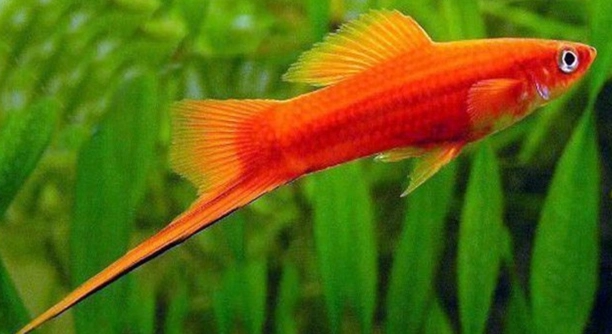
Do your swordtails often seem excited for food, only to take a bite and spit it out right after? This behavior can be confusing, especially when everything else in their tank seems just fine.
Swordtails commonly spit out food due to poor water quality, stress, or an unsuitable diet. When food isn’t to their liking or they feel unwell, they may reject it after tasting. Monitoring conditions and diet can help.
Feeding time should be enjoyable for both you and your fish. Learning what’s causing this strange habit can lead to a healthier and happier tank.
Common Reasons Swordtails Spit Out Their Food
Swordtails are usually eager eaters, so when they start spitting out food, something might be off. One of the most common reasons is that the food is too large or hard for them to chew comfortably. If the pieces don’t break down easily, they might spit them out and try again—or give up altogether. Another reason could be water conditions. High levels of ammonia or nitrates make fish feel sick, reducing their appetite and changing their eating behavior. Stress from sudden tank changes, bullying tankmates, or overcrowding can also play a role. Lastly, if the food is stale, expired, or simply not suited to their diet, they may reject it. Observing how they react to different foods can help you narrow down what’s going wrong. Making changes slowly while monitoring their behavior can make a big difference in how they eat and how they feel.
Offer softer or smaller food options first to see if that helps. Sometimes, a simple change makes them start eating normally again.
Even though they may be acting picky, swordtails are often just trying to show you something’s not quite right. Paying close attention helps prevent bigger issues later.
How to Improve Feeding for Swordtails
Try switching to high-quality flakes or soft pellets designed for livebearers. Frozen or live food like brine shrimp can also encourage better eating.
Keeping the tank clean and stable makes a big difference. Test the water weekly and aim for consistent temperature and pH. Ammonia and nitrites should always be at zero. If you’re feeding the same thing daily, they may be bored. Rotating between flakes, pellets, and frozen food adds variety and better nutrition. Make sure the food you’re using hasn’t expired—stale food can lose flavor and nutrients. Feed small amounts and watch to see if they eat it all. If leftovers sink and rot, this can hurt water quality and make them less hungry next time. Also, make sure they’re not being bullied during feeding. Aggressive tankmates may scare them off, causing stress. Feeding in different parts of the tank may help shy fish feel safer. Taking these small steps helps your swordtails enjoy their meals and stay healthy.
Signs Your Swordtail Might Be Stressed
Loss of appetite, hiding more than usual, and rapid gill movement can all be signs your swordtail is stressed. Other signs include clamped fins, darting around the tank, or staying near the surface or bottom without much movement.
Stress in swordtails often comes from poor water quality, temperature swings, or incompatible tankmates. Even small changes in their environment—like loud noises or sudden lighting—can affect their mood. If they are constantly being chased or have nowhere to retreat, stress builds up. Spitting out food is often one of the first signals something’s wrong. It’s their way of showing they aren’t comfortable. Check for physical signs too, like faded colors or ragged fins. These are clear indicators that stress may be at play. Catching these early signs gives you the chance to act fast and improve their environment before things get worse.
You can reduce stress by keeping water clean and stable, and offering hiding spots with plants or decorations. Avoid overcrowding the tank, as this can lead to aggressive behavior. Feeding should also be calm—turn off strong filters during meals so food doesn’t scatter. Give them time to adjust to any new changes. When swordtails feel safe, they’ll act more natural and eat with confidence again.
How Diet Affects Feeding Behavior
Swordtails need a balanced diet to stay healthy. If their food lacks variety or the right nutrients, they may lose interest in eating. Low-quality flakes or pellets often don’t provide enough protein or essential vitamins, which affects their appetite and energy levels.
A good diet for swordtails should include both plant matter and protein. They do well with a mix of flakes, algae wafers, frozen brine shrimp, and daphnia. If they’re only eating one type of food every day, it’s easy for them to grow bored or not get everything they need. Poor diet can lead to bloating or digestive issues, which may cause them to spit out food or stop eating altogether. Try to feed small portions two to three times a day and remove anything uneaten. Watch how they react to new foods—you’ll notice right away if something appeals to them. Making small diet adjustments can bring back healthy eating habits fast.
Feeding Mistakes to Avoid
Overfeeding is one of the most common mistakes. Swordtails have small stomachs, and extra food often goes uneaten, spoiling water and leading to stress. Stick to small portions and observe how much they actually eat within a few minutes.
Feeding only one type of food every day can also be a problem. This limits their nutrition and can make them bored or picky. Mix up their diet with both plant and protein options to keep them healthy and engaged during feeding times.
When to Try a Different Food
If your swordtail continues to spit out the same food for several days, it might be time to switch. They may simply not like the taste or texture. Look for foods made specifically for livebearers, or try something softer like soaked pellets or frozen options. Watch how they respond, and make changes slowly to avoid upsetting their system. Some swordtails take time to adjust, especially if they’re used to a certain type of food. Keep testing different types until you find one that works well for them. A diet that suits their taste will often fix feeding problems quickly.
What to Watch After Changes
Keep an eye on their energy levels and how much they eat. Healthy swordtails will become more active and finish food quickly once things improve.
FAQ
Why is my swordtail spitting out food and acting strange?
If your swordtail is spitting out food and acting different, there could be a few reasons. First, check the water quality. Poor water conditions, like high ammonia or nitrate levels, can make fish feel unwell, affecting their appetite. Stress from tankmates, changes in the tank, or overcrowding can also cause this behavior. Swordtails may reject food when they feel threatened or uneasy. Additionally, if the food isn’t right for them, such as being too big, hard, or unappealing, they’ll spit it out. Always test water regularly, ensure a stable environment, and use food that’s appropriate for their species.
How often should I feed my swordtails?
Swordtails should be fed small portions two to three times a day. Overfeeding can lead to uneaten food sinking to the bottom, which not only affects water quality but can also cause digestive issues. A good rule of thumb is to offer just enough that they can finish within 3-5 minutes. You can always adjust the quantity depending on how much they’re eating, but keep in mind they need small, frequent meals.
Is it okay to feed swordtails only flakes?
Feeding swordtails only flakes can be problematic. While flakes are a good option, they don’t provide all the variety and nutrients swordtails need. They thrive on a balanced diet that includes protein, fiber, and vitamins. Consider adding other foods like frozen brine shrimp, daphnia, or algae wafers to their meals. This variety will keep them healthy and more likely to eat properly. Flakes alone may not be enough to satisfy their nutritional needs in the long run.
Can swordtails eat vegetables?
Yes, swordtails can eat vegetables! They’re omnivores, meaning they need both plant and animal-based foods. Vegetables like blanched spinach, zucchini, and peas are great options. Just make sure the vegetables are soft and easy for them to eat. Offering these occasionally, along with their regular diet, ensures they get all the nutrients they need. It’s a good idea to offer vegetables a few times a week to add variety to their meals.
What if my swordtail is spitting out food but still seems healthy?
If your swordtail is spitting out food but still appears healthy, it may simply be a case of being picky or having food preferences. Swordtails can be selective about what they eat, especially if they’re offered food they don’t enjoy or if it’s not fresh. Try switching to a different type of food, such as frozen or live options. Make sure the food you offer is the right size for them. Also, keep an eye on their overall behavior. If they are still active, swimming normally, and looking healthy otherwise, they might just be acting finicky.
How do I prevent swordtails from becoming stressed during feeding?
To prevent swordtails from becoming stressed during feeding, consider a few things. First, avoid overcrowding in the tank. Fish need space to feel comfortable and feed without feeling threatened. Second, keep the tank environment calm—turn off strong filters during feeding to prevent food from being scattered around. Offer food in small amounts, so it doesn’t overwhelm them. Lastly, make sure there are plenty of hiding spots or plants in the tank, as this will give them a place to retreat if they feel stressed.
Should I feed my swordtail different types of food?
Yes, feeding different types of food is beneficial for swordtails. A varied diet ensures they get the full range of nutrients they need. Use a combination of high-quality flakes, pellets, frozen food, and live food to give them the best nutrition. Offering a variety of food also prevents boredom, which could lead to them refusing meals. Just make sure to introduce new foods gradually to avoid digestive issues.
How do I know if my swordtail is not eating enough?
If your swordtail isn’t eating enough, it may lose weight or become less active. Pay attention to their body condition—if their belly looks thin or their colors seem dull, this could indicate they aren’t eating enough. Also, if they’re not responding to food or consistently spitting it out, this is a sign they may be underfed or that something is wrong. Keep track of how much food is left after feeding, and ensure they’re consuming what’s offered. If you notice any of these signs, check the water quality and make sure their food is fresh and appropriate.
Can swordtails eat too much?
Yes, swordtails can eat too much. Overfeeding can lead to a number of health problems, such as obesity, poor water quality, and digestive issues. If they’re regularly left with uneaten food, it will pollute the tank, leading to further problems. It’s important to only feed them what they can finish in a few minutes, ensuring nothing goes to waste. You can also fast them once a week to help with digestion.
Why do swordtails sometimes ignore their food?
Swordtails may ignore their food for several reasons. Poor water quality or temperature fluctuations can reduce their appetite. Stress from tankmates or sudden changes in the environment might cause them to lose interest in food. If they’re not eating at all, it’s worth checking the water parameters and making sure everything in the tank is calm. Sometimes they’re just picky, and offering different food types might get them interested again.
Is live food better for swordtails than frozen or flakes?
Live food can be great for swordtails, as it provides natural nutrients and stimulates their hunting instincts. However, frozen and high-quality flake food can be just as beneficial, provided they are nutritionally balanced. Live food like brine shrimp or daphnia is full of protein and can make feeding more exciting. The key is to offer variety, so your swordtail doesn’t get bored with the same meals. Make sure to rotate between live, frozen, and dry food to keep them healthy and engaged.
Final Thoughts
Understanding why your swordtail is spitting out food can take a bit of observation, but once you know the possible reasons, it becomes easier to fix. Many times, the problem is linked to water quality, diet, or stress. Keeping the water clean and stable is essential for your swordtail’s health. High levels of ammonia or nitrates can cause discomfort, leading to poor eating habits. It’s important to test your tank’s water regularly and make adjustments when needed. A sudden drop in water quality can stress out your fish, affecting their appetite and making them more likely to reject food.
Another factor to consider is the type of food you’re offering. Swordtails are picky eaters sometimes, and they may refuse food that’s too large, hard, or doesn’t appeal to them. Offering a variety of foods, like flakes, pellets, frozen foods, and vegetables, ensures they get all the nutrients they need. Swordtails are omnivores, so they need both plant and protein-based food. By mixing up their diet, you’ll help keep them interested and healthy. Remember that they don’t always need to be fed the same thing every day. Changing it up can encourage them to eat more.
Finally, don’t forget the importance of keeping your swordtail’s tank environment stress-free. Swordtails are more likely to spit out food or refuse to eat when they feel threatened or overcrowded. Ensuring that they have enough space and hiding spots can reduce stress. Additionally, make sure there are no aggressive tankmates that could intimidate them. If they feel safe in their environment, they’re more likely to eat properly and stay healthy. By paying attention to these factors, you can help your swordtail get back to their normal eating habits and enjoy their meals without issues.

Hello,
If you enjoy the content that we create, please consider saying a "Thank You!" by leaving a tip.
Every little bit helps us continue crafting quality advice that supports the health, happiness, and well-being of pets around the world, for pets of all shapes, sizes, and species.
We really appreciate the kindness and support that you show us!