
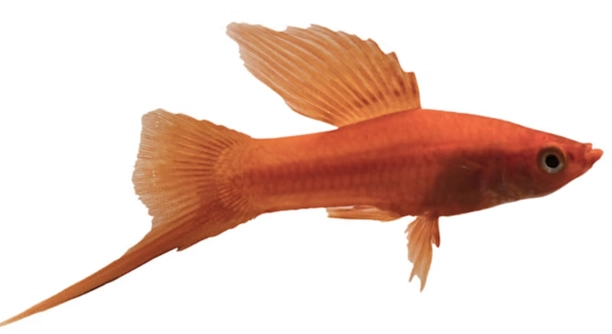
Swordtails are active and social fish that often interact with their environment in various ways. One behavior that may catch your attention is when they rub against gravel or objects in their tank.
This behavior is often linked to a natural instinct known as “scraping.” Swordtails may rub against surfaces to remove parasites or irritants on their skin. It can also be a sign of stress or discomfort in their environment.
Understanding this behavior helps ensure your swordtail’s well-being. It’s important to monitor their environment and take steps to maintain water quality.
Why Swordtails Rub Against Gravel
Swordtails rubbing against gravel is a behavior seen often in aquariums. When they rub their bodies against surfaces like gravel, plants, or rocks, they could be addressing physical discomfort or irritants. It’s not just random movement; there’s a reason behind this action. It may seem harmless, but it’s important to pay attention to the underlying causes that trigger it. Swordtails often engage in this activity when they feel irritated by things like skin parasites or an unbalanced environment.
Fish, including swordtails, use this behavior to scrape off unwanted substances like algae, parasites, or dead skin. When swordtails rub against gravel, they may also be acting out due to stress caused by water quality or lack of space. Stress can weaken their immune systems, making them more vulnerable to illnesses, so it’s crucial to maintain their environment. Keeping water clean, with balanced pH levels and temperature, is key to preventing such behaviors.
If you notice your swordtail constantly rubbing against gravel or other objects, there could be an issue that needs addressing. Overcrowding in tanks or fluctuations in water conditions can contribute to these habits. Swordtails should be kept in suitable conditions, with enough space to swim and socialize, as they are active fish. If the behavior persists, it’s worth checking water parameters and ensuring that the fish aren’t suffering from parasites or disease.
Common Causes of Swordtail Rubbing
Fish rubbing against gravel may also be linked to overactive skin cells. Swordtails may shed skin when feeling irritated by water changes or tank conditions.
Maintaining proper water hygiene can reduce discomfort for swordtails, which naturally lessens their urge to rub. A well-filtered tank and regular water changes are essential. Clean water helps prevent harmful bacteria and parasites that could trigger this behavior. Swordtails, like other fish, are sensitive to changes in their environment. If the water is too warm, too cold, or has high levels of ammonia, it can lead to skin irritation. Checking the water regularly for any shifts in parameters can help avoid these issues. By ensuring their habitat stays healthy, swordtails are less likely to rub against gravel or objects in the tank.
Potential Health Issues
Rubbing against gravel may signal an underlying health problem. Fish can develop skin irritations or parasites like Ich (white spot disease). If left untreated, these issues can worsen, leading to more noticeable symptoms such as fading colors or abnormal swimming.
One of the most common health issues swordtails face is parasitic infections. External parasites like protozoans attach to their skin, causing irritation. Swordtails may rub against surfaces to relieve the discomfort. To confirm this, a close inspection or consultation with an aquatic vet is advised. Treating parasites early can prevent further damage. Regularly cleaning the tank and using a quarantine tank for new fish can reduce the risk of introducing parasites.
Another potential health concern is skin lesions, which may occur if swordtails are exposed to sharp objects or rough surfaces in the tank. Scrapes or abrasions can result from frequent rubbing, worsening the condition. Ensuring a safe, smooth environment can help reduce the risk of injury. Swordtails are also sensitive to sudden changes in water conditions, which may cause skin reactions.
Tank Maintenance and Water Quality
Maintaining clean water in your tank is critical to swordtail health. Poor water quality can lead to stress, weakening the immune system, and increasing susceptibility to disease. Regular water changes, proper filtration, and monitoring of water parameters can help avoid issues.
Water quality plays a major role in reducing stress for swordtails. Dirty or improperly filtered water can result in higher toxin levels, such as ammonia or nitrites. Swordtails, like all fish, need clean, well-balanced water to thrive. When their environment is contaminated, they may react by rubbing against surfaces. Regularly testing the water for pH, ammonia, nitrites, and nitrates is key. A filtration system that works efficiently and appropriately for your tank size is essential to keeping the water clean. Additionally, adding live plants can help maintain water quality by absorbing excess nutrients.
Stress and Environmental Factors
Swordtails may rub against gravel when stressed due to poor water quality or overcrowding. A stressful environment can lead to discomfort, triggering rubbing behaviors.
Overcrowding is a common cause of stress in swordtails. If too many fish are kept in one tank, they may feel cramped and stressed, leading to abnormal behavior. Stress weakens their immune system, making them more vulnerable to infections and skin issues.
Proper Tank Size
Providing a tank with ample space is essential for swordtails. They require room to swim freely and exhibit natural behaviors. A cramped tank can increase stress and lead to health issues.
A tank with at least 20 gallons is recommended for swordtails. The fish need space to swim and socialize without feeling confined. Overcrowded conditions can also lead to territorial disputes, adding to the stress. A proper tank size encourages healthier, happier fish. By giving swordtails plenty of room, you can reduce their chances of rubbing against surfaces out of discomfort.
FAQ
Why do swordtails rub against gravel?
Swordtails rub against gravel primarily to remove parasites, dead skin, or irritants from their bodies. It’s also a behavior triggered by stress or discomfort. If the water quality is poor or if they’re dealing with parasites like Ich, rubbing against gravel can help them alleviate some of the irritation.
Can rubbing against gravel indicate a serious health problem?
Yes, it can. If a swordtail rubs against gravel frequently, it might be a sign of skin parasites, injury, or skin infections. Infected fish often try to scrape off parasites by rubbing against surfaces. If left untreated, the problem can worsen, so monitoring your fish closely is important.
How can I tell if my swordtail has parasites?
Look for signs such as white spots on the fish’s body, visible lesions, or abnormal swimming patterns. Swordtails with external parasites may also have faded colors or appear restless. If you notice these signs, it’s crucial to treat your swordtail with the right medication and adjust water quality to ensure recovery.
How often should I change the water in my swordtail tank?
Water should be changed regularly to maintain a healthy environment. A good rule of thumb is to change about 25% of the water every 1-2 weeks. However, if you notice any signs of stress or health issues in your fish, more frequent changes may be necessary. Keep the water clean and well-filtered to minimize irritation.
Can overcrowding cause swordtails to rub against gravel?
Yes, overcrowding can cause stress, which may lead to rubbing against gravel. Swordtails are active swimmers, and when they are kept in cramped conditions, they may feel stressed or anxious, leading to behaviors like scraping their bodies on surfaces. Ensuring that the tank has adequate space for your fish is essential to reduce stress and prevent this behavior.
How can I reduce stress in my swordtail tank?
To reduce stress, maintain clean water, avoid overcrowding, and provide hiding spaces for swordtails. Use plants or decorations that create sheltered areas where they can retreat if they feel threatened. Avoid sudden changes in water temperature or pH, as this can also cause stress. Regular tank maintenance and monitoring fish health are key to a stress-free environment.
What are the signs that my swordtail is stressed?
Signs of stress in swordtails include rubbing against objects, erratic swimming, hiding more than usual, and a loss of color. Stressed fish may also swim in unusual patterns or near the surface more frequently. If you observe these behaviors, it’s important to check water quality, tank conditions, and other potential stressors.
Do swordtails need tank mates to be happy?
Swordtails are social fish and generally do well in groups. Keeping at least two swordtails together allows them to interact and feel more secure. However, avoid overcrowding the tank, as this can cause stress. Be mindful of the tank size and ensure that the fish have enough space to move around and socialize.
How do I treat parasites on my swordtail?
Treating parasites involves isolating the affected fish in a quarantine tank and using the appropriate medication, such as copper-based treatments or formalin. Follow the instructions on the medication carefully to ensure its effectiveness. Additionally, improving water quality by doing regular water changes and maintaining proper filtration will support your swordtail’s recovery.
Can poor water quality cause swordtails to rub against gravel?
Yes, poor water quality is one of the main triggers for rubbing behavior in swordtails. High levels of ammonia, nitrites, or nitrates in the water can irritate their skin, leading to rubbing. Keeping water parameters stable and clean can help prevent this behavior. Test the water regularly for pH, temperature, and toxin levels to avoid stress.
Is it normal for swordtails to rub against objects in the tank?
Occasionally, swordtails may rub against objects to shed excess slime or clear their skin of debris. However, frequent or constant rubbing is not normal and typically indicates a problem, such as skin irritation or parasites. If this behavior becomes persistent, it’s important to check their environment and their health.
How can I improve the water quality in my swordtail tank?
To improve water quality, ensure your tank is well-filtered and perform regular water changes. Test the water for ammonia, nitrites, and nitrates, and keep these levels low. Adding live plants can also help improve water quality, as they absorb excess nutrients. A reliable filtration system is essential for maintaining clean, healthy water.
How do I prevent my swordtail from getting skin infections?
Maintaining a clean and stable environment is key to preventing skin infections. Regularly change the water, monitor for signs of parasites or disease, and avoid overcrowding. Providing a tank with smooth surfaces and safe decorations reduces the risk of injury. Healthy swordtails are less likely to get infections, so prioritize their overall well-being.
Can swordtails rub against gravel if they are bored?
Boredom can contribute to stress, but it’s not the primary reason swordtails rub against gravel. However, providing enough space and stimulation is important. Swordtails need room to swim and explore, and adding plants or hiding spots can keep them engaged. A tank that meets their needs will help reduce any unnecessary stress.
Final Thoughts
Swordtails rubbing against gravel is a behavior that can be linked to various factors, from skin irritations to environmental stress. It’s important to observe your fish closely and understand the underlying cause of this behavior. If it’s a sign of health issues like parasites or infections, addressing these concerns early is crucial for the well-being of your fish. Regular tank maintenance, such as water changes and proper filtration, can prevent many common problems. Healthy water quality plays a key role in reducing stress and keeping swordtails comfortable in their environment.
Stress from overcrowding, poor water quality, or sudden changes in the tank environment can also lead to rubbing behavior. Providing a well-maintained tank with enough space for your swordtails to swim freely is important. Swordtails are social fish that thrive in groups, but overpopulation in a tank can cause unnecessary tension and discomfort. Regularly checking the water quality and ensuring the right temperature and pH balance is essential in keeping your fish healthy and stress-free. Offering a tank with appropriate hiding spots and smooth surfaces can help them feel secure and reduce rubbing behavior.
In many cases, swordtails may rub against gravel as a result of minor issues that can be resolved easily with proper care. However, if the rubbing persists or if other symptoms such as discoloration or abnormal swimming patterns appear, it’s time to investigate further. Consulting an aquarium professional or vet may be necessary if health problems are suspected. By providing a clean, well-maintained tank with the right environment and addressing any potential health issues promptly, you can ensure your swordtails remain healthy and happy.

Hello,
If you enjoy the content that we create, please consider saying a "Thank You!" by leaving a tip.
Every little bit helps us continue crafting quality advice that supports the health, happiness, and well-being of pets around the world, for pets of all shapes, sizes, and species.
We really appreciate the kindness and support that you show us!