
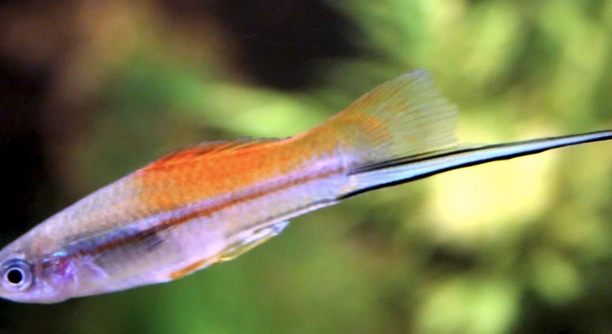
Swordtails are beautiful fish often kept in aquariums for their vibrant colors and active nature. However, it’s common to notice them resting during the day. Understanding why this happens can help ensure they remain healthy and happy.
Swordtails tend to rest during the day because they are diurnal, meaning they are naturally more active during the evening or early morning hours. Resting in the daytime allows them to conserve energy and maintain optimal health, especially in a controlled aquarium environment.
Knowing why swordtails rest during the day can help create a more balanced habitat. Keeping their environment suitable for both activity and rest will ensure they thrive in your tank for a long time.
Swordtails and Their Active Nature
Swordtails are naturally active fish, and they thrive in environments that mimic their natural habitats. They’re typically found in calm, freshwater rivers and lakes where they swim around looking for food and interacting with others. However, when you notice them resting, it’s not a sign of illness or stress. Instead, it’s simply part of their routine. Swordtails are diurnal, which means they are more active during specific hours of the day and rest during others. This behavior helps them conserve energy for when they need it the most, like when they are feeding or socializing in their tank.
Swordtails resting during the day could also be a response to their aquarium environment. If the tank feels too bright or lacks places for them to hide, they might retreat and rest. It’s important to provide hiding spots and dim areas in their tank for balance.
This is why it’s essential to keep their environment stable, with the right temperature, lighting, and space for swimming. Swordtails need both active time and rest, and creating a comfortable tank setup supports their well-being.
Factors Affecting Resting Patterns
Different factors in their tank setup can affect the amount of time swordtails spend resting. The temperature of the water is one of the key elements. If it’s too warm or too cold, swordtails may become lethargic and rest more than usual.
A consistent temperature between 74 and 80°F is ideal for swordtails. Extreme fluctuations in the water temperature can stress them out, leading to irregular behavior. Besides temperature, the light levels in the tank play a major role in their daily cycle. Bright lighting for long periods might make them feel exposed, prompting them to rest more during the day. Similarly, too little light can disrupt their natural patterns, causing them to be less active at the right times. Swordtails, like many other fish, need a good balance of light and dark to feel secure. It’s a good idea to introduce a reliable lighting schedule, with around 8-12 hours of light per day, to help them stay active when needed but also encourage natural rest periods.
Maintaining an appropriate environment with steady light, temperature, and shelter will allow swordtails to rest during the day when necessary and remain active at their peak times. A healthy setup ensures they can show their best behaviors.
Resting Behavior in Swordtails
Swordtails may also rest during the day due to natural behavior patterns. They have periods of high activity followed by times of rest. This is common for diurnal species, as they balance feeding, exploring, and relaxing. When swordtails are resting, they often appear motionless but are still aware of their surroundings.
During rest, swordtails may find a quiet corner of the tank or hide among plants. They might appear less active but are not necessarily sick. It’s simply part of their daily routine. Observing their movements before and after these resting periods can help you understand if they’re simply resting or experiencing any unusual behavior. It’s normal for them to be more active during dawn or dusk, which matches their natural instincts.
In some cases, swordtails may spend a lot of time resting if the environment is not suitable. For example, if the tank is overcrowded, it can lead to stress, causing them to rest more frequently. Stress can make them less energetic overall, so providing ample swimming space and hiding spots is essential. A stressed swordtail may rest more often as it tries to cope with the discomfort.
Creating the Right Environment for Swordtails
A swordtail’s resting patterns are directly linked to its environment. Temperature, water quality, and tank setup all play a role in how much a swordtail rests. Consistent water temperature helps them feel secure, encouraging normal behavior patterns.
Swordtails need a stable temperature between 74 and 80°F. Water quality is also important, as poor water conditions can stress them out, leading to more resting periods. Regular water changes and filtering are essential for maintaining a healthy tank. If the water becomes too dirty or the oxygen levels drop, swordtails may become sluggish, spending more time resting at the bottom or in the corners of the tank. By ensuring clean, well-maintained water, you help swordtails remain active during the times they should be, like at feeding time.
Lighting is another factor to consider when setting up the tank. Swordtails require a proper day-night cycle, with a balanced amount of light and dark. Too much light during the day can make them feel uncomfortable, prompting them to rest more. Conversely, if the tank is too dim, they may become stressed. Maintaining a natural light schedule helps swordtails stay active during the day when they are most likely to move around.
Stress and Overcrowding
Overcrowding in the tank can make swordtails feel stressed, leading them to rest more during the day. Too many fish in a confined space creates tension, and swordtails may seek refuge in quiet corners of the tank to escape.
When swordtails are kept in overcrowded tanks, they may feel unsafe, which disrupts their normal behavior. Stress can make them spend more time hiding or resting. To prevent this, ensure that your tank provides enough space for each fish to swim comfortably. A good rule of thumb is 1 inch of fish per gallon of water.
Temperature and Resting Behavior
Swordtails are highly sensitive to temperature changes. Sudden drops or spikes in water temperature can cause them to become sluggish and rest more. A stable, warm environment helps them remain active during the day.
The ideal temperature for swordtails is between 74-80°F. Anything outside this range can cause stress and lethargy. If your tank is too cold or too warm, swordtails may not feel energetic enough to swim around. A heater can help maintain the correct temperature, preventing the fish from staying inactive for long periods.
Adequate Hiding Spots
Swordtails, like many fish, need places to hide. These areas provide them with security and allow them to rest without feeling exposed. Having sufficient hiding spots in the tank can reduce stress and improve their overall well-being.
When swordtails have access to plants, rocks, or caves, they feel more secure. This sense of security allows them to rest during the day and become more active during their peak times. It’s a simple but effective way to improve their environment and keep them comfortable.
FAQ
Why is my swordtail resting so much during the day?
Swordtails rest during the day as part of their natural behavior. As diurnal fish, they are more active during the dawn and dusk hours. Resting during the day helps them conserve energy for when they need it, like feeding or socializing. This behavior is typical unless they seem overly lethargic or display other signs of stress, which could suggest an issue with water quality or temperature.
What can I do if my swordtail seems overly inactive during the day?
If your swordtail is resting more than usual, it could be due to stress, poor water quality, or temperature fluctuations. Start by checking the water conditions: test the temperature, pH, and ammonia levels. Ensure that the tank is clean and the temperature is between 74-80°F. If everything seems fine and they still seem inactive, they might just need time to adjust to their environment.
Can overcrowding cause swordtails to rest more?
Yes, overcrowding can cause swordtails to feel stressed, which can result in more resting. Fish that are crowded may feel threatened, reducing their overall activity levels. Make sure your tank has enough space for each fish. The general rule is about 1 inch of fish per gallon of water. This helps maintain a stress-free environment and allows swordtails to swim freely and behave naturally.
Should I worry if my swordtail rests at the bottom of the tank?
Swordtails resting at the bottom of the tank occasionally is normal, but if they do this frequently or appear lethargic, it could be a sign of stress or illness. Poor water quality, improper temperature, or aggressive tank mates could be affecting them. Check the tank’s conditions and ensure the fish has enough hiding spots to feel secure.
How do I know if my swordtail is sick or just resting?
When a swordtail is sick, it often shows additional signs like discolored skin, abnormal swimming patterns, or loss of appetite. If your swordtail is resting but still has a healthy appetite and normal swimming behavior when active, it’s more likely just resting. However, if the fish shows signs of physical distress or acts sluggish even when it should be active, it could be ill.
How often should I clean my swordtail tank?
Cleaning your swordtail tank once every week to two weeks is ideal, depending on the tank size and the number of fish. Regular water changes are important to maintain good water quality. Remove any uneaten food or debris to prevent poor water conditions, which can lead to stress and excessive resting.
Is it normal for swordtails to rest in hiding spots?
Yes, swordtails enjoy resting in hiding spots, especially in tanks with plants, caves, or decorations. These areas provide security and give them a place to rest without feeling exposed. A variety of hiding spots in the tank is essential for promoting a healthy and stress-free environment. Swordtails need a balance of activity and rest, and having safe spots to rest encourages them to thrive.
Can I do anything to encourage my swordtails to be more active during the day?
To encourage swordtails to be more active during the day, ensure they have plenty of space to swim and engage in activities. Providing regular feeding times, proper lighting, and a well-maintained tank with hiding spots will help them feel secure and active. Swordtails are naturally social fish, so having tank mates that they get along with will also encourage activity.
Why do swordtails sometimes rest at the surface of the water?
Swordtails may rest near the surface of the water if they need to breathe more easily or if they’re seeking out higher oxygen levels. It can also be a behavior linked to the tank’s oxygen content or water flow. If this happens frequently, check that the water’s oxygen levels are sufficient and the tank’s filtration system is working properly.
What temperature is best for swordtails?
Swordtails prefer a temperature range between 74 and 80°F (23-27°C). Maintaining a stable temperature within this range helps swordtails stay active and healthy. If the water temperature is too low or too high, it can cause stress, lethargy, and increased resting. A heater and thermometer are helpful for maintaining consistent water temperature.
How can I tell if my swordtail is stressed?
Signs of stress in swordtails include frequent hiding, loss of color, excessive resting, erratic swimming, or refusal to eat. Stress can be caused by overcrowding, poor water quality, temperature changes, or aggressive tank mates. Ensure that the tank conditions are optimal, and observe if the fish’s behavior improves with a better environment.
Final Thoughts
Swordtails are naturally active fish, but it’s normal for them to rest during the day. This behavior is simply part of their daily routine, as they are diurnal creatures. Just like many other animals, swordtails need time to relax and recharge. They are most active at dawn and dusk, and during the day, they may spend time resting to conserve energy for when they need it most. This behavior doesn’t usually indicate a problem unless it’s accompanied by other signs of distress, like lethargy or loss of appetite.
However, there are several factors that can influence how much time swordtails spend resting. Tank conditions, including water temperature, lighting, and overall space, play a significant role in how active or inactive they are. A stable water temperature between 74°F and 80°F is essential for keeping swordtails healthy and active. If the water is too hot or too cold, swordtails might become sluggish and spend more time resting. It’s also important to maintain good water quality, as poor water conditions can lead to stress, causing them to rest more often. Providing plenty of space for swimming and hiding spots in the tank will also ensure that swordtails feel comfortable enough to rest without becoming overly stressed.
If you notice your swordtail resting more than usual, it’s a good idea to check the water conditions and overall environment. Ensure that the tank isn’t overcrowded, as this can lead to stress. Swordtails do best when they have room to swim freely. If the water quality is poor or the tank is too small, they may retreat and rest in a corner, which could lead to them becoming more sedentary. By making sure your tank is the right size, clean, and well-maintained, you’ll help your swordtail feel comfortable and active during their peak hours. This balance of activity and rest is key to ensuring their overall well-being and happiness in the tank.

Hello,
If you enjoy the content that we create, please consider saying a "Thank You!" by leaving a tip.
Every little bit helps us continue crafting quality advice that supports the health, happiness, and well-being of pets around the world, for pets of all shapes, sizes, and species.
We really appreciate the kindness and support that you show us!