
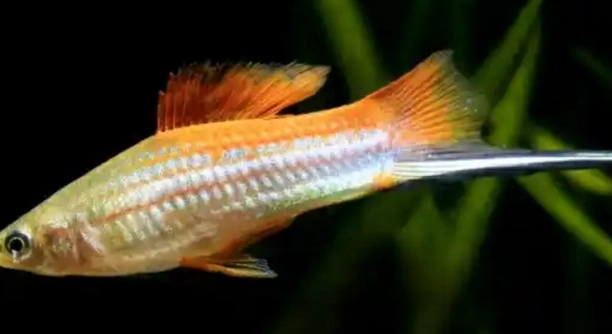
Swordtails are popular aquarium fish known for their vibrant colors and active personalities. However, they tend to show most of their energy during the night. If you’re wondering why they behave this way, you’re not alone.
Swordtails are primarily nocturnal creatures. Their active periods occur during the evening and night due to natural instincts, such as avoiding predators and conserving energy during daylight hours. This behavior is common among many species in the wild.
Understanding the reasons behind this can help you care for them better. From their natural habits to how they adapt in a tank, it’s important to know how to support their needs for a healthy life.
Why Swordtails Are Nocturnal
Swordtails are naturally nocturnal creatures, a behavior linked to their survival instincts. In the wild, many species become more active at night to avoid daytime predators. During the day, they often seek shelter and rest in shaded areas, conserving energy for when they feel safer. This pattern is instinctual, allowing them to be more alert and proactive in their search for food after dark.
This nocturnal habit is not just about avoiding danger but also about staying healthy. Swordtails typically feed in low-light environments where they can comfortably swim without being easily spotted. Their behavior at night also helps regulate their feeding cycles and mating habits, ensuring they thrive.
In an aquarium, this behavior still shows up, even though they’re not facing natural threats. If you’re wondering why your swordtail is more active at night than in the day, it’s because they are simply following their instinct to be more alert when it’s dark. Ensuring their tank has a natural day-night cycle can help keep them calm and healthy.
Creating a Proper Environment for Swordtails
To help your swordtail feel comfortable and active, it’s essential to create a balanced environment. Swordtails need a place where they can feel safe and secure, especially during daylight hours.
A well-lit tank with plenty of hiding spots and plants will mimic their natural habitat, allowing them to feel protected while resting. It’s crucial to provide the right mix of light and darkness, as this will help regulate their active and resting periods. Just like in the wild, your swordtail will feel more at ease if it’s given the space and time it needs to follow its natural instincts.
Natural Behavior vs. Aquarium Life
In the wild, swordtails are naturally drawn to low-light conditions, where they can safely swim and forage. Their instincts push them to be more active at night, giving them the edge over potential predators.
When placed in an aquarium, swordtails still exhibit these nocturnal patterns, even though the environment is controlled. They tend to be less active during the day and prefer exploring, feeding, and socializing once the lights go out. Providing a dim or soft light cycle will help mimic their natural rhythms. Ensuring the tank feels like a safe haven with areas for hiding also supports this natural cycle.
While they are capable of adjusting to artificial light schedules, swordtails do best in environments that replicate their natural habitat. By offering a combination of dark spaces and dim lighting, your swordtails will thrive. This not only respects their natural behavior but also promotes a healthy and stress-free environment. The more you adapt their living space to suit their instincts, the happier they’ll be.
Feeding Patterns and Activity
Swordtails are not just more active at night; they also tend to feed more during this time. This behavior is part of their natural feeding cycle, where they seek food under the cover of darkness.
In an aquarium, they will often appear more engaged and eager to eat once the lights dim. This feeding habit is linked to their instinct to search for food during low-light hours to avoid being seen by predators. While swordtails are opportunistic feeders, they may appear less interested in food during the day when they’re more likely to be resting or hiding in a safe spot. Adjusting their feeding schedule to later in the day aligns with their natural patterns, making it easier for them to stay healthy and energized.
The Role of Tank Lighting
The lighting in your swordtail’s tank plays a big role in their activity level. Too bright or too dim, and it can disrupt their natural cycle.
Providing a balance of light and darkness can help mimic their natural habitat. Using a timer to simulate day and night can keep them in sync with their instincts. By controlling the lighting, you’re helping them feel secure and active when they need it most.
When swordtails have a consistent light cycle, they’re more likely to be active at night and rest during the day. Keeping their environment balanced with proper lighting ensures their behavior remains natural and stress-free.
Creating the Right Environment
Swordtails prefer having hiding spots and plenty of plants in their environment. This setup mirrors their natural habitat and gives them space to feel secure when not active.
Plants and decorations should be placed strategically, creating shaded areas and areas for exploration. This gives them a comfortable space to retreat to during the day. Having plants to swim through can also keep them mentally stimulated, promoting natural behavior when it’s dark.
FAQ
Why are swordtails more active at night?
Swordtails are naturally nocturnal fish, a trait inherited from their wild ancestors. They are more active at night because, in their natural habitat, predators are less likely to be around. The dark provides safety, allowing them to explore, hunt, and interact without the threat of daytime dangers. Their instincts push them to remain inactive during the day when they are more vulnerable. In an aquarium, this natural behavior is often reflected as they become more active once the lights are turned off and darkness falls.
Can swordtails adapt to daytime activity?
While swordtails are inherently nocturnal, they can adjust to daytime activity if the lighting and environment are appropriately managed. If their tank is set with a consistent day-night cycle, they may adapt and become more active during daylight hours. However, this may not be as natural or ideal for them, and some swordtails may still show a preference for being active at night. Mimicking natural lighting cycles in the tank can help swordtails feel more comfortable and may prevent them from becoming stressed or lethargic.
How does light affect swordtail activity?
Swordtails rely on lighting to guide their activity. Bright lights during the day may make them feel exposed and stressed, leading them to rest or hide. On the other hand, a soft, dim light or a day-night cycle mimicking their natural environment allows them to feel safe, triggering their natural nocturnal behaviors. A timer that turns the lights on during the day and off in the evening helps create a rhythm that suits their instincts, promoting a healthier and more active lifestyle.
Do swordtails need a nightlight in their tank?
Swordtails do not need a nightlight per se, but a dark tank environment is essential for their well-being. The tank should be dark at night to allow them to follow their natural rhythms. However, if you need some light for your own convenience, you could use a very dim, low-light setting. It’s important not to disrupt their sleep cycle with bright or harsh lighting, as this could cause stress and affect their activity levels. A tank that mimics natural day-night cycles will help swordtails feel secure, keeping them active when it’s dark and allowing them to rest during the day.
Should I feed swordtails at night?
Yes, feeding swordtails at night is recommended since they are more likely to be active during this time. Feeding them when they are active ensures they’re more engaged in eating and can help them maintain a healthy feeding schedule. Swordtails tend to feed in low-light conditions, so feeding after the lights go out aligns with their natural instincts. If you feed them during the day, they may be less likely to eat, as they tend to rest or hide in brighter conditions. A consistent feeding time that matches their active period can help maintain their overall health and behavior.
Can swordtails live in a tank with bright lights?
While swordtails can technically live in a tank with bright lights, it’s not ideal for their health or behavior. Bright lighting can make them feel exposed, leading them to hide or stay inactive during the day. This could disrupt their natural behavior patterns and may cause them stress. Swordtails thrive in environments with natural lighting cycles, where they can rest during the day and become active at night. If bright lights are necessary for your tank setup, consider dimming them during the evening or providing hiding spots for the fish to retreat to during the day.
Do swordtails need a lot of space to swim at night?
Yes, swordtails are active swimmers and enjoy having space to move around, especially at night when they are most active. In the wild, they have the freedom to swim in open water, and they tend to use their energy during the dark hours to explore and socialize. In an aquarium, providing enough swimming space allows swordtails to behave more naturally, reducing stress and promoting their overall health. A tank with plenty of open swimming areas and hiding spots will help them feel comfortable and active, particularly at night.
Can I keep swordtails with other fish in the same tank?
Swordtails are generally peaceful fish, making them suitable for community tanks with other species. However, it’s important to select tankmates that have similar activity levels and water requirements. Since swordtails are most active at night, choosing fish that are either diurnal or also nocturnal can prevent stress and aggression. Avoid keeping them with overly aggressive species, as this could cause stress and disrupt their natural behaviors. A peaceful, balanced community tank will allow swordtails to remain active and interact with other fish during their preferred nighttime hours.
Do swordtails prefer a specific water temperature?
Swordtails thrive in water temperatures between 72°F and 78°F (22°C to 26°C). Maintaining a stable temperature within this range helps them stay healthy and active, especially during their nocturnal hours. If the water is too cold or too warm, it can affect their behavior, causing them to become lethargic or stressed. Regular water temperature checks are essential for keeping your swordtail comfortable. It’s also important to use a heater if needed to keep the temperature consistent, as fluctuations can stress them and negatively affect their natural sleep and activity patterns.
Final Thoughts
Swordtails are fascinating creatures with unique behavior, especially when it comes to their nocturnal activity. These fish naturally tend to be more active at night, a trait that’s deeply rooted in their instincts for survival. In the wild, this behavior helps them avoid daytime predators and take advantage of the cover of darkness to feed and socialize. Although they adapt to living in an aquarium, their natural instincts still guide them, making them more active during the night. Understanding this behavior is key to ensuring their well-being and creating a suitable environment for them in your home.
Creating the right environment for swordtails involves more than just setting up a tank with water and food. It’s essential to consider lighting, space, and hiding spots. A balanced lighting cycle mimicking natural day-night patterns is one of the most important factors for encouraging swordtails to follow their nocturnal habits. If the light is too bright or the cycle is inconsistent, they may become stressed and inactive. Swordtails benefit from having places to hide during the day, which allows them to feel safe and secure when they are not active. With a tank setup that respects their natural behaviors, swordtails are more likely to thrive and display their active, social personalities.
It’s also important to note that swordtails are social fish, and their behavior can be influenced by their interactions with tankmates. While they are peaceful, ensuring they are housed with other compatible species is crucial to maintaining their health. Swordtails may not be as active during the day, but they will engage with other fish in the tank once night falls. By ensuring the right balance of lighting, space, and companionship, you can help your swordtails live a healthier, more natural life. Adjusting their feeding schedules and offering a comfortable environment that mimics their natural habitat will go a long way in keeping them active, happy, and healthy.

Hello,
If you enjoy the content that we create, please consider saying a "Thank You!" by leaving a tip.
Every little bit helps us continue crafting quality advice that supports the health, happiness, and well-being of pets around the world, for pets of all shapes, sizes, and species.
We really appreciate the kindness and support that you show us!