
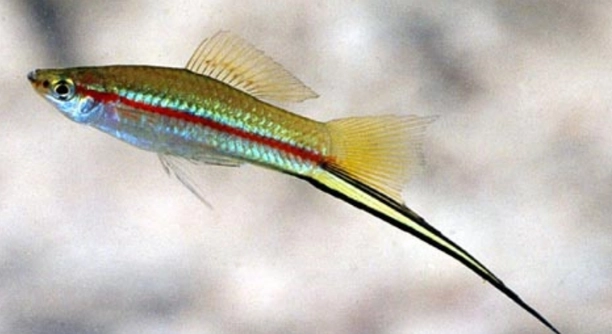
Swordtails are known for their vibrant colors, but some owners have noticed their fish losing their usual brilliance. This change can be concerning, especially for those who have enjoyed seeing their fish’s vivid hues in their aquariums.
The decline in vibrancy among swordtails is typically caused by factors such as poor water quality, inadequate nutrition, or stress. Improper care, including fluctuations in water temperature, can also impact their color expression, leading to duller appearances.
By understanding the reasons behind these changes, you can improve your swordtail’s environment and help restore its natural vibrancy.
Poor Water Quality
Swordtails are particularly sensitive to their environment. When water conditions are not ideal, it can lead to stress, which directly affects their appearance. Water with high levels of ammonia, nitrites, or nitrates can make swordtails lose their vibrant colors. Additionally, improper pH levels or soft water can weaken their immune system, leaving them more prone to health issues that can dull their color.
To prevent this, regular water changes are essential. It’s recommended to monitor water parameters frequently, ensuring that the pH, temperature, and hardness are stable. Installing a reliable filtration system helps maintain clean water, preventing harmful toxins from building up. A water test kit can help you stay on top of your tank’s conditions.
By keeping the water environment consistent and clean, swordtails are more likely to retain their bright hues. Proper water management is key to their overall well-being, helping them thrive and express their natural beauty.
Inadequate Nutrition
Swordtails need a balanced diet to maintain their vibrant colors. A diet that lacks essential nutrients, such as vitamins and minerals, can result in dull or faded fish. Without proper nutrition, their immune system may also weaken, making them more susceptible to illness.
A high-quality fish food that contains both plant and animal-based ingredients is essential for your swordtail’s health. Supplementing their diet with occasional treats, such as brine shrimp or daphnia, can help promote color enhancement. Offering a variety of food also ensures they receive the proper nutrients to thrive.
By providing a well-rounded diet, you’ll notice a positive change in the vibrancy of your swordtails. A healthy fish is a colorful fish, and with the right care, they’ll regain their radiant glow.
Stress and Overcrowding
Stress can be another major factor affecting the vibrancy of swordtails. Fish that are stressed due to overcrowding or aggressive tank mates will often appear dull. Swordtails are peaceful creatures, and they need space to swim and thrive. When there are too many fish in a tank, it can create tension, affecting their health and color.
Overcrowding is easy to prevent with proper tank management. Make sure you have enough space for each fish to swim comfortably. If you notice that your swordtails are acting aggressively towards one another, it may be a sign that they need more room to avoid stress.
Providing a peaceful environment for swordtails will not only improve their appearance but also their overall health. Reducing stress through appropriate tank size and careful fish selection ensures they maintain their beautiful coloration.
Improper Lighting
Lighting plays a significant role in the appearance of swordtails. Too much or too little light can cause their colors to fade. Swordtails thrive with moderate lighting that mimics their natural habitat. Bright, intense lighting can stress them, while too little can prevent them from displaying their full colors.
To create the ideal environment, use a lighting setup that provides gentle, consistent illumination. A light with a timer can simulate natural day-night cycles, helping swordtails maintain their color. Avoid leaving the tank under harsh lights for extended periods. Proper lighting is essential for their overall health and appearance.
Consistent, soft lighting will encourage swordtails to display their vibrant colors. Make sure to adjust the intensity based on their needs, providing a comfortable and visually stimulating environment. Swordtails are more likely to show their true hues when the lighting is just right.
Water Temperature
Swordtails are tropical fish, and their colors are influenced by water temperature. If the water is too cold or too warm, their vibrant colors may become dull. Swordtails typically prefer temperatures between 74°F and 82°F. Outside of this range, their health and appearance can suffer.
Maintaining a stable water temperature within this range is crucial for your swordtails. A reliable heater can help regulate the tank’s temperature. Be sure to regularly check the temperature with an aquarium thermometer to ensure it stays within the optimal range. This balance helps swordtails maintain their full color.
Temperature swings can also stress the fish, which can further affect their vibrancy. A consistent, moderate temperature provides the best conditions for swordtails to remain healthy and colorful. Keeping the water stable prevents fluctuations that could lead to color loss.
Overfeeding
Overfeeding your swordtails can lead to poor water quality, which impacts their color. Excess food decomposes in the tank, raising toxin levels, and this stresses the fish, causing their colors to fade. Avoid overfeeding by giving them only what they can consume in a few minutes.
It’s important to feed swordtails in moderation. Providing them with a balanced diet in small, frequent amounts helps maintain a clean tank environment. This prevents excess waste from polluting the water, allowing swordtails to thrive and retain their vibrancy. Monitor feeding habits closely to avoid overfeeding.
Genetics
Swordtails’ natural color can be affected by their genetic makeup. Some individuals are simply predisposed to show less vivid colors than others. Selective breeding has produced different color variants, so the vibrancy you see may also be tied to the specific strain.
Genetic factors influence the intensity and pattern of colors in swordtails. While you can improve environmental factors, the fish’s genetics ultimately determine their potential vibrancy. Understanding these traits can guide you in choosing the right swordtail for your aquarium, ensuring you get the vibrant colors you desire.
Illness
Illnesses can quickly affect the health and vibrancy of your swordtails. Fish diseases, parasites, or infections can weaken their immune systems and cause color loss. It’s essential to monitor your swordtails closely for any signs of illness, such as lethargy or unusual behavior.
Prompt treatment is necessary to avoid further deterioration in their health. Regular water changes, maintaining stable conditions, and providing proper nutrition can prevent many health issues. If you notice your swordtail losing its color or showing signs of distress, it’s best to consult a vet or aquarium specialist for advice.
FAQ
Why do swordtails lose their vibrant colors?
Swordtails can lose their vibrant colors due to several factors, including poor water quality, inadequate nutrition, stress, improper lighting, and illness. These issues affect their overall health and can cause their colors to fade. Ensuring proper water conditions, a balanced diet, and a stress-free environment is essential for maintaining their vibrancy.
Can swordtails regain their color?
Yes, swordtails can regain their color if the underlying issues are addressed. Improving water quality, adjusting the diet, reducing stress, and providing proper lighting can help bring back their natural vibrancy. In some cases, it may take time for the colors to return fully, depending on the severity of the problem.
How do I improve my swordtail’s diet?
Swordtails benefit from a varied diet that includes both plant-based and protein-rich foods. You can feed them high-quality flake food, supplemented with occasional live or frozen foods like brine shrimp, daphnia, or bloodworms. Providing a well-balanced diet ensures they get the nutrients they need for vibrant colors and overall health.
What water conditions are best for swordtails?
Swordtails thrive in slightly alkaline water with a pH of 7.0 to 8.0. The water should be soft to moderately hard, with a temperature range of 74°F to 82°F. Regular water changes are crucial to keep the tank clean and maintain stable water conditions. Testing water parameters regularly will help you keep track of the health of your swordtail’s environment.
How often should I change the water in my swordtail tank?
Water changes are important to maintain healthy water quality. For swordtails, it’s recommended to change 25-30% of the tank water every week. This helps remove waste and toxins that can accumulate, ensuring that the fish have clean, fresh water. If your tank has a high fish load, more frequent water changes may be necessary.
Can lighting affect my swordtail’s colors?
Yes, lighting has a direct impact on the vibrancy of your swordtail’s colors. Too much or too little light can cause stress and dullness. Swordtails thrive in moderate lighting that mimics natural day-night cycles. It’s best to use a light that offers consistent illumination for 8-12 hours a day to prevent stress and promote healthy color development.
What temperature should my swordtail tank be?
Swordtails prefer temperatures between 74°F and 82°F. Temperatures outside this range can cause stress, weakening the fish and affecting their colors. A reliable aquarium heater and thermometer can help maintain a stable temperature. Keeping the water within this range promotes overall health and color retention.
How do I know if my swordtail is stressed?
Stressed swordtails may exhibit behaviors such as hiding, reduced activity, faded colors, or aggression toward other tank mates. Stress can be caused by poor water conditions, overcrowding, incompatible tank mates, or fluctuations in temperature. Observing your swordtail’s behavior and environment can help you identify and address stress factors.
What size tank is best for swordtails?
Swordtails need space to swim and thrive. A minimum of a 20-gallon tank is recommended for a small group of swordtails. If you plan to keep more than a few, a larger tank will provide enough space to reduce stress and prevent overcrowding. Providing adequate space helps maintain their health and vibrant colors.
How can I reduce stress in my swordtail tank?
To reduce stress, provide a peaceful environment for your swordtails. This means having compatible tank mates, avoiding overcrowding, and maintaining stable water conditions. Providing hiding spots with plants or decorations can also help them feel secure. Reducing stress through proper tank management will ensure they stay healthy and vibrant.
Are swordtails susceptible to diseases?
Yes, swordtails can be prone to various fish diseases, such as ich, fin rot, and swim bladder issues. Keeping the tank clean, maintaining proper water conditions, and preventing overcrowding will reduce the risk of disease. Regularly monitoring your swordtails for signs of illness can help with early detection and treatment.
Can I breed swordtails to improve their color?
Selective breeding can enhance certain traits, including color. Breeding swordtails with vivid colors and healthy genetics can help produce offspring with similar characteristics. However, it’s important to maintain genetic diversity to avoid health problems. If you plan to breed them, ensure both the male and female are healthy and in optimal condition.
What tank mates are best for swordtails?
Swordtails are peaceful and generally get along with other non-aggressive fish. They do well with species like guppies, platies, and other small to medium-sized peaceful fish. Avoid keeping them with overly aggressive species that may stress or harm them. A calm tank environment helps swordtails thrive and maintain their vibrant colors.
How do I prevent overfeeding my swordtails?
Overfeeding can lead to water pollution, which can stress your swordtails and cause them to lose their colors. Feed them only what they can eat in a few minutes, once or twice a day. Remove any uneaten food to prevent it from decomposing in the tank. Regularly check water conditions to ensure they remain clean and healthy.
Can swordtails live in freshwater tanks?
Yes, swordtails are freshwater fish and can live in well-maintained freshwater tanks. They prefer slightly alkaline water with moderate hardness. Maintaining the proper water conditions and temperature is essential to their health and coloration. Swordtails are adaptable and can thrive in various freshwater setups, as long as their needs are met.
Final Thoughts
Swordtails are beautiful fish that can add vibrant color to any aquarium. However, keeping their colors bright and lively requires careful attention to several factors, such as water quality, diet, and tank environment. By ensuring the right conditions, swordtails can maintain their vibrant colors and overall health. The most important elements include maintaining stable water parameters, providing them with a balanced diet, and reducing stress in the tank.
Overfeeding, poor water quality, and stress are some of the common reasons swordtails lose their vibrancy. Excess food can lead to deteriorating water conditions, which in turn affects the fish’s health and color. Swordtails thrive in a tank with clean water and stable conditions, which can be achieved through regular water changes and monitoring. Additionally, providing a varied and nutritious diet helps keep the fish healthy and supports their color retention. It’s essential to avoid overcrowding and ensure there is enough space for each fish to swim comfortably.
While genetics do play a role in the natural color of swordtails, environmental factors have a significant impact on their vibrancy. Swordtails are resilient, and with the right care, they can recover from temporary color loss. By paying attention to their environment, diet, and overall health, you can enjoy the full beauty of these fish in your aquarium. Regular monitoring, prompt treatment of illnesses, and adjustments to their living conditions will help swordtails thrive and display their natural colors for years to come.

Hello,
If you enjoy the content that we create, please consider saying a "Thank You!" by leaving a tip.
Every little bit helps us continue crafting quality advice that supports the health, happiness, and well-being of pets around the world, for pets of all shapes, sizes, and species.
We really appreciate the kindness and support that you show us!