
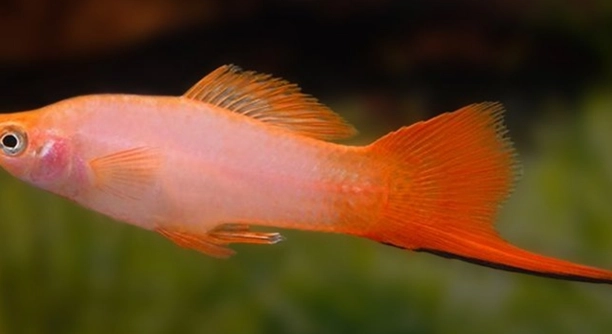
Swordtails are a popular freshwater fish known for their colorful tails and active nature. If you’ve noticed your swordtails ignoring the bubbler in their tank, you might be wondering what’s behind this behavior.
The most likely reason swordtails ignore the bubbler is that they do not find it essential for their well-being. Swordtails prefer calm, stable water conditions, and if there is adequate water circulation, they may not feel the need for additional bubbles.
Understanding why swordtails avoid the bubbler can help you create a more comfortable environment for your fish. It’s important to observe their behavior and adjust the tank’s setup accordingly.
Understanding Swordtail Behavior
Swordtails are generally hardy and adaptable fish, but they have specific preferences when it comes to tank conditions. They are naturally found in calm, slow-moving waters, which may explain why they tend to avoid the bubbler. Fish can sometimes find strong water currents uncomfortable, especially if they are used to environments with minimal movement.
Swordtails are known to thrive in peaceful conditions, where they can swim freely without the disturbance of strong water flow. A bubbler creates an additional current, which may be unnecessary for them if the water already has adequate circulation. While other species might enjoy the bubbles, swordtails can often ignore them.
Providing a proper balance in water movement is key to maintaining healthy swordtails. If your bubbler is too powerful, try adjusting its flow or relocating it to a different area of the tank. Ensuring that the tank’s water flow is gentle will encourage swordtails to feel more comfortable and engage with their environment.
Tank Setup and Water Flow
Adjusting your tank setup could encourage swordtails to interact with the bubbler. Reducing the strength of water movement or choosing a different aeration device might help.
Swordtails often avoid bubbler systems because they do not require strong currents. To create an environment that meets their needs, consider using a sponge filter or an air stone. These devices provide gentle aeration without disturbing the water too much. When positioning these devices, place them in a way that prevents the flow from hitting the fish directly. Swordtails prefer stable, quiet areas where they can swim peacefully, without being constantly disturbed by excess water movement. Testing different setups will allow you to observe which conditions suit them best. By understanding their natural habitat, you can recreate an environment that promotes comfort and overall well-being.
The Role of Tank Temperature
Swordtails are sensitive to water temperature, and if the tank is too warm or too cold, they may act differently. Ideal temperatures range between 72°F and 78°F. Keeping the tank within this range helps them feel more comfortable, and they are less likely to avoid areas like the bubbler.
Temperature fluctuations can stress swordtails, causing them to seek out calmer parts of the tank. If the water is too warm, they may try to stay near the cooler areas, avoiding the bubbler. Conversely, if the tank is too cold, they may reduce their activity levels. This stress might cause them to ignore the bubbler as they search for a more comfortable spot.
A stable water temperature ensures that swordtails remain active and engaged with their surroundings. Keeping the tank at an optimal temperature reduces stress, making it more likely that they will interact with the bubbler. Regular temperature checks will help maintain the right balance for a thriving tank environment.
Tank Size and Space
The size of the tank plays a significant role in swordtail behavior. A cramped environment can cause them to feel stressed, and they may avoid certain areas to escape the lack of space.
Swordtails are active swimmers and need space to explore freely. If your tank is too small, they may avoid areas with current, such as near the bubbler. In a cramped tank, swordtails often feel the need to find a quiet corner, away from any disturbances. A larger tank allows them more freedom, reducing stress and making it more likely they will engage with all parts of the tank, including the bubbler.
Consider upgrading to a larger tank if your swordtails seem unhappy or inactive. Providing more swimming space will make them feel safer and less confined. With more room to explore, your swordtails will be more likely to interact with various elements in their environment, including the bubbler.
Water Quality and Cleanliness
Poor water quality can make swordtails avoid areas like the bubbler. High levels of ammonia, nitrites, or nitrates stress them out, making them less likely to interact with any part of the tank.
A proper filtration system and regular water changes are essential. Swordtails prefer clean, well-maintained water, as dirty conditions lead to discomfort. Keeping the tank clean also helps maintain stable water chemistry, which is vital for their health. If water quality deteriorates, swordtails might spend more time in areas with less current, avoiding the bubbler altogether.
Maintaining good water quality will help swordtails feel at ease, encouraging them to swim around the entire tank. Make sure the filtration system works effectively and perform regular water changes to keep the water fresh and healthy. This will reduce stress and promote natural behaviors.
Overcrowding
Overcrowding can lead to stress and cause swordtails to avoid certain areas in the tank. When too many fish are in a small space, there’s less room for each fish to swim comfortably.
Swordtails need space to thrive. Overcrowding can lead to aggressive behavior and constant competition for resources like food and territory. When they feel cramped, swordtails are less likely to interact with certain elements like the bubbler, instead seeking quieter spots in the tank. In the long run, overcrowding can negatively affect the health and behavior of your fish. Make sure the tank is appropriately stocked to avoid these issues.
Lighting
Swordtails can also react to the lighting in the tank. Too much or too little light can stress them, leading to changes in behavior, including ignoring the bubbler.
They prefer moderate lighting that mimics natural daylight. Bright, harsh lights can create stress, while low light may cause them to feel insecure. Swordtails are sensitive to their environment, and the right lighting helps them feel more comfortable. A proper light setup allows them to explore the tank freely and interact with all its features. If the light is too intense or too dim, swordtails may seek shelter in the darker areas of the tank, away from the bubbler.
FAQ
Why do swordtails avoid the bubbler?
Swordtails tend to avoid the bubbler if they feel the water flow is too strong or unnecessary. They prefer calm water conditions, and if the tank already has enough circulation, the bubbler might not appeal to them. The extra movement can make them uncomfortable, so they may seek out quieter areas of the tank instead.
Should I remove the bubbler if my swordtails are ignoring it?
Not necessarily. If your swordtails are ignoring the bubbler, you don’t have to remove it immediately. You can try adjusting its flow or relocating it to a different part of the tank. It’s essential to monitor the water movement and make sure it’s not too strong for your fish.
Can water temperature affect swordtails’ behavior around the bubbler?
Yes, water temperature plays a crucial role in swordtail behavior. If the water is too warm or too cold, swordtails may avoid the bubbler and other tank features. Keeping the tank between 72°F and 78°F will ensure they stay active and comfortable, making them more likely to interact with their environment, including the bubbler.
How do I know if the bubbler is too strong for my swordtails?
If your swordtails are consistently staying away from the bubbler or hiding in the tank, it could be a sign that the water flow is too strong. You can test this by observing their behavior and adjusting the bubbler’s flow to see if they engage more with it. A gentle current is generally preferred.
What is the best type of bubbler for swordtails?
For swordtails, a sponge filter or air stone is ideal as it creates a gentler flow. These devices provide aeration without overwhelming the fish with strong currents. Air stones are particularly helpful for increasing oxygen levels without disturbing the tank too much, making it a good fit for swordtails.
How can I make my swordtails feel more comfortable in the tank?
Ensuring your tank has stable water temperature, clean water, and enough space is key. Swordtails prefer calm environments with plenty of room to swim, so make sure your tank is not overcrowded. Also, adjusting the bubbler to a lower flow or using a sponge filter can help.
Can overcrowding cause swordtails to ignore the bubbler?
Yes, overcrowding can cause stress, which might lead swordtails to avoid the bubbler and other parts of the tank. With limited space, swordtails may seek refuge in quieter, less disturbed areas. Maintaining a well-stocked tank with ample swimming space will reduce stress and encourage more natural behavior.
What size tank do swordtails need?
Swordtails need a minimum of a 20-gallon tank for a small group. For each additional swordtail, increase the tank size by about 10 gallons. Larger tanks provide more space for swimming and help reduce stress, which in turn encourages the fish to explore their environment, including the bubbler.
Can lighting affect swordtails’ interaction with the bubbler?
Yes, improper lighting can stress swordtails, causing them to avoid certain areas of the tank. They prefer moderate lighting that mimics natural conditions. Too much light can be overwhelming, while too little light may make them feel insecure. Make sure your tank has balanced lighting for a more relaxed environment.
Should I adjust my filtration system for swordtails?
Yes, you should adjust the filtration system to match the needs of your swordtails. A filter with adjustable flow is ideal, as it lets you control the water movement. A filter that creates a powerful current might cause your swordtails to avoid areas of the tank like the bubbler, so a gentle flow is better.
Do swordtails need a bubbler in their tank?
Swordtails do not necessarily need a bubbler in their tank if the water has sufficient circulation. While a bubbler can help oxygenate the water, it’s not essential for swordtails as long as the tank is well-maintained. Focus on water quality, temperature, and proper filtration to ensure their health.
What should I do if my swordtails are not swimming around the tank?
If your swordtails are not swimming around the tank, it could be a sign of stress or discomfort. Check for water quality, temperature, and tank size. Also, make sure the tank isn’t overcrowded. Providing hiding spots or adjusting water flow may help your swordtails feel more at ease.
How often should I change the water in my swordtail tank?
To keep swordtails healthy, you should change 20-30% of the tank water every week. Regular water changes help maintain good water quality and remove harmful waste products. This will reduce stress on your swordtails and improve their overall well-being, making them more likely to interact with the bubbler.
Can water hardness affect swordtails’ behavior?
Yes, water hardness can affect swordtails. They thrive in moderately hard water with a pH between 7.0 and 8.0. Water that’s too soft or too hard may lead to stress, affecting their behavior and health. Regularly test your water to ensure it stays within the optimal range for swordtails.
How can I create a more natural environment for swordtails?
To create a more natural environment, include live plants, rocks, and hiding spots. Swordtails are naturally found in calm, planted areas, so replicating this environment will make them feel more comfortable. A well-balanced tank with natural features will encourage swordtails to explore and engage with all aspects of their habitat, including the bubbler.
Final Thoughts
Swordtails are lively and resilient fish, but they can be particular about their environment. Understanding the reasons why they might avoid the bubbler, such as water flow, water quality, or tank conditions, can help you provide a better home for them. Small adjustments, like lowering the bubbler’s flow or improving water quality, can make a noticeable difference in how your swordtails behave. Creating a stress-free environment is key to making sure your fish feel comfortable and healthy.
In many cases, swordtails ignore the bubbler because they are looking for calmer areas in the tank. This behavior is natural, and it doesn’t necessarily mean that the bubbler is harmful. It may just be too strong or unnecessary in their space. If you notice that your fish are avoiding it, try observing them to understand what might be bothering them. Sometimes, all it takes is a simple adjustment in the tank setup, like positioning the bubbler differently or improving the water flow with a gentler filter.
By keeping the tank clean, maintaining stable water temperature, and ensuring enough space for the fish to swim freely, swordtails will thrive. Every tank setup is different, so it’s important to keep an eye on your fish and make changes based on their needs. Swordtails are adaptable, but they do best in an environment that mirrors their natural habitat. With these considerations in mind, you can help your swordtails feel more at ease and encourage them to explore all corners of their tank, including the bubbler.

Hello,
If you enjoy the content that we create, please consider saying a "Thank You!" by leaving a tip.
Every little bit helps us continue crafting quality advice that supports the health, happiness, and well-being of pets around the world, for pets of all shapes, sizes, and species.
We really appreciate the kindness and support that you show us!