
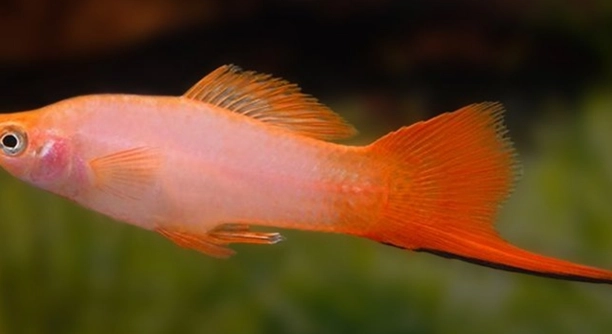
Swordtails are a popular fish species in many home aquariums. Their colorful appearance and peaceful nature make them an enjoyable addition to your tank. However, sometimes they may engage in behaviors that seem out of character, like biting other fish.
Swordtails may bite their tankmates due to a variety of factors, including territorial behavior, stress, or overcrowding. In some cases, this aggression can be linked to an imbalance in the tank’s environment, such as improper water conditions.
Understanding the reasons behind this behavior will help you maintain a peaceful and healthy environment for your swordtails. We’ll cover the main causes of aggression and offer tips for managing their behavior.
Territorial Behavior
Swordtails are naturally territorial fish, and this instinct can sometimes lead to aggressive behaviors, including biting. Male swordtails, in particular, can become possessive of their space, especially when they feel threatened or if there is a shortage of hiding spots. In a tank with limited space, they may assert dominance over other fish, especially those of the same species or similar size. This can cause them to nip or chase tankmates away.
Stress plays a significant role in territorial aggression. If the swordtail feels insecure in its environment, such as overcrowding or lack of shelter, it may become more defensive. In smaller tanks, swordtails may feel the need to fight for resources or territory, resulting in unwanted biting. It’s important to provide enough space and hiding places to reduce these stress factors.
To minimize territorial aggression, consider adding more plants or decorations that give your fish places to hide. Additionally, providing more space by increasing tank size can help reduce conflicts. With these adjustments, swordtails are less likely to resort to aggressive behavior toward other fish.
Social Hierarchy and Mating
Swordtails live in social groups where a hierarchy naturally forms, with dominant males often displaying aggressive behavior toward others. In some cases, the biting behavior may be linked to mating attempts. Male swordtails can become quite assertive during mating seasons, chasing and nipping at females to get their attention. While this is common during breeding, it can also lead to stress and injuries if not managed properly.
To prevent excessive aggression during mating, try balancing the male-to-female ratio in your tank. Having more females than males can reduce the pressure on individual females and limit unnecessary chasing. Additionally, providing plenty of space and visual barriers will help create a more peaceful environment for all tankmates.
A well-balanced social structure and proper environment can ensure that your swordtails remain happy and calm, reducing unwanted biting and aggression. Keep in mind that each fish has its own personality, so some may be more dominant than others. By maintaining a healthy tank, you can ensure your fish live in harmony.
Stress and Poor Water Conditions
Swordtails are sensitive to changes in water conditions. Poor water quality, including high levels of ammonia or nitrites, can make them stressed. Stress often leads to aggression, including biting their tankmates. It’s essential to regularly check water parameters like pH, temperature, and hardness to maintain a stable environment.
When swordtails are stressed, they may become more territorial or display aggression toward other fish. In an environment where the water quality is not ideal, they may act out due to discomfort or the need to protect themselves. Keeping water conditions optimal can reduce stress and improve overall behavior.
To ensure proper water conditions, use a good filtration system and perform regular water changes. Monitoring the tank’s water chemistry is a simple but effective way to create a healthy environment for swordtails. Consistently stable water conditions will reduce aggression, helping swordtails thrive without resorting to biting.
Overcrowding
Overcrowding is a common cause of aggression in swordtails. When too many fish are kept in a small tank, it can increase competition for resources like food and space. This causes stress and may lead to biting as swordtails try to defend their territory or establish dominance.
Swordtails may become more aggressive when there’s not enough room to swim freely, leading them to nip at other tankmates. To avoid overcrowding, calculate the right stocking density for your tank size, and consider the space each fish needs to feel comfortable. Providing more space allows swordtails to have their own territory and reduces stress.
If you notice that your swordtails are fighting or biting each other, the tank may be too small. Consider upgrading to a larger tank or removing some fish to ensure each one has adequate space. With a proper balance of fish and space, aggression should decrease.
Incompatible Tankmates
Not all fish species get along well with swordtails. Some fish are more aggressive and may provoke swordtails, causing them to bite. Aggression from tankmates can stress swordtails, leading them to become defensive and more likely to nip at other fish.
It’s important to choose peaceful tankmates for swordtails to maintain a harmonious environment. Avoid pairing them with overly territorial or aggressive fish. Species like neon tetras, guppies, or other calm community fish work well with swordtails. Ensuring that your tankmates are compatible will help prevent unnecessary biting and aggression.
Lack of Proper Nutrition
Swordtails need a well-balanced diet to stay healthy and calm. When they are not getting the right nutrients, they may become more irritable and aggressive. A poor diet can also weaken their immune system, making them more susceptible to stress and illness.
To keep your swordtails happy and healthy, offer them a variety of foods, including high-quality flake food, frozen or live food like brine shrimp, and plant matter. Regular feeding with a balanced diet ensures they are less likely to become stressed and aggressive, reducing the chance of biting other tankmates.
Breeding Behavior
Breeding can trigger aggressive behavior in swordtails, particularly in males. During the mating season, males often compete for the attention of females. This can lead to more frequent nipping and chasing, especially if there are not enough females to balance the male-to-female ratio.
To prevent excessive aggression, maintain a proper ratio of males to females. This reduces the pressure on individual females and limits the need for males to fight. Additionally, providing hiding spots for females gives them a chance to escape unwanted attention, promoting a calmer environment for all fish.
FAQ
Why are my swordtails chasing each other?
Swordtails often chase each other as part of their natural behavior, especially during mating or territorial disputes. Male swordtails, in particular, can become very territorial and may chase other males or even females in an attempt to assert dominance or attract a mate. If you notice frequent chasing, it might be related to the number of males in the tank or insufficient space. A balanced male-to-female ratio and more hiding spots can help ease this behavior.
What can I do if my swordtails are fighting?
If your swordtails are fighting, there are a few steps you can take. First, check if the tank is overcrowded or if there is a lack of hiding spots. Swordtails are territorial and will fight if they feel their space is threatened. Increasing the tank size or adding more decorations and plants for cover can reduce stress and the likelihood of fights. Additionally, separating overly aggressive swordtails temporarily can give them time to calm down.
How can I prevent swordtails from biting each other?
To prevent swordtails from biting each other, it’s essential to address potential stressors in their environment. Ensuring the tank is large enough and well-planted can help reduce territorial aggression. Also, maintain a proper ratio of males to females, as too many males can lead to competition for mates, causing more biting. Keeping the water conditions stable and providing a balanced diet will also help reduce stress, making your swordtails less likely to resort to aggressive behavior.
Are swordtails more likely to bite when they are stressed?
Yes, swordtails are more likely to bite their tankmates when they are stressed. Stress can come from many factors, including poor water quality, overcrowding, lack of hiding spots, or an imbalance in tankmates. When stressed, swordtails may become more aggressive as a way to protect themselves or their territory. Reducing stress factors, like improving water conditions and providing more space, can help lessen aggressive behaviors like biting.
Can swordtails be kept with other species without aggression?
Swordtails can be kept with other peaceful species, but compatibility depends on the temperament of both species. Avoid keeping swordtails with overly aggressive or territorial fish, as this can lead to fighting and biting. Fish like neon tetras, mollies, or guppies make good tankmates for swordtails because they share a calm temperament. It’s important to monitor interactions when introducing new fish to ensure peaceful coexistence.
Why do my swordtails chase the females?
Male swordtails often chase females during breeding season. This is their natural way of courting and attempting to mate. Males may chase females persistently to gain their attention. While this behavior is common, it can be stressful for the females if they are not provided with enough hiding spots or space to escape the males’ advances. A good ratio of males to females (one male to two or three females) can help reduce excessive chasing.
How do I know if my swordtails are unhappy?
Unhappy swordtails may show signs like excessive hiding, aggression, or a lack of interest in swimming. If they are constantly hiding or appear lethargic, it might be an indicator that they are stressed or uncomfortable. Poor water quality, overcrowding, or incompatible tankmates can all contribute to an unhappy swordtail. By improving their living conditions—such as cleaning the tank, ensuring appropriate space, and offering a varied diet—you can help keep your swordtails content.
Can swordtails live with bettas?
Swordtails and bettas should generally not be kept together. Bettas, especially males, are highly territorial and can become aggressive toward other fish. While swordtails are peaceful in nature, their long, flowing tails may trigger aggression from bettas. If you still want to keep both species, ensure they are housed in separate tanks or provide a very large tank with plenty of hiding places and visual barriers to reduce stress and aggression.
Do swordtails need specific water conditions?
Yes, swordtails require specific water conditions to thrive. They prefer a temperature between 72°F and 78°F (22°C to 26°C) and a pH of 7.0 to 8.0. Water hardness should be moderate, and it is essential to keep ammonia and nitrite levels as low as possible. Regular water changes and proper filtration are key to maintaining optimal water quality. If water conditions are not kept stable, swordtails may become stressed, leading to aggression or health issues.
Can swordtails live in cold water?
Swordtails are tropical fish and require warm water to stay healthy. They are not suited for cold water environments, as temperatures below 65°F (18°C) can cause stress and lead to illness. It’s important to maintain the proper temperature range of 72°F to 78°F (22°C to 26°C) in the tank. A reliable aquarium heater will help keep the water at the right temperature, ensuring your swordtails remain comfortable and healthy.
Final Thoughts
Swordtails are generally peaceful and colorful fish that can thrive in a community tank. However, occasional biting or aggression is not uncommon, and it often stems from a variety of factors. Understanding why your swordtails are engaging in these behaviors is essential for creating a harmonious environment. Common causes include territorial disputes, stress, overcrowding, and mating behaviors. By closely observing your tank setup and making a few adjustments, you can reduce aggression and improve the quality of life for your swordtails.
One of the most effective ways to minimize aggression is by providing enough space and hiding spots. Swordtails, like most fish, are territorial creatures. If they feel cramped or lack places to retreat, they may start fighting with other tankmates. Adding more plants, rocks, or decorations will give them areas to hide and establish their own space. Also, consider the stocking density in your tank. Overcrowding is a common issue, and swordtails need enough room to swim comfortably. A larger tank and fewer fish can go a long way in keeping the peace among tankmates.
Lastly, maintaining optimal water quality is essential for swordtail well-being. Poor water conditions can lead to stress, which in turn can trigger aggressive behavior. Regular water changes, proper filtration, and monitoring parameters like pH and temperature will help create a stable environment. A good balance of male and female swordtails, along with peaceful tankmates, will also contribute to reducing aggressive tendencies. With the right care, swordtails can live happily in a community tank, showcasing their beautiful colors without the worry of biting or fighting.

Hello,
If you enjoy the content that we create, please consider saying a "Thank You!" by leaving a tip.
Every little bit helps us continue crafting quality advice that supports the health, happiness, and well-being of pets around the world, for pets of all shapes, sizes, and species.
We really appreciate the kindness and support that you show us!