
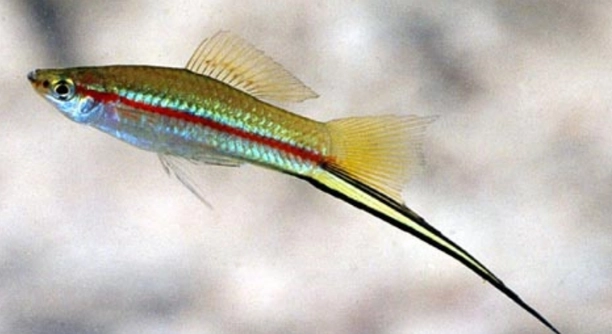
Swordtails are a popular choice for aquarium enthusiasts, but sometimes they can act strangely by avoiding the light. This behavior can leave aquarium owners wondering what is causing their fish to act differently. Understanding the reasons behind this can help improve the well-being of your swordtails.
Swordtails may avoid light due to stress, poor water quality, or a natural instinct to seek shelter. These fish are sensitive to changes in their environment, and any disturbance can lead them to retreat from bright areas to find more comfortable, dim spaces.
Several factors, including water temperature, tank conditions, and light intensity, can influence this behavior. Knowing how to adjust these elements can help your swordtails feel more at ease and thrive in their habitat.
The Impact of Water Quality on Swordtail Behavior
Swordtails are highly sensitive to changes in their environment, especially when it comes to water quality. Poor water conditions, such as high ammonia, nitrites, or nitrates, can cause stress, leading the fish to avoid the light. This is often a sign that something isn’t quite right in the tank. If these toxins build up, swordtails may retreat into darker areas to escape the discomfort. In such cases, maintaining clean and stable water is essential to help them feel safe and reduce stress.
Regular water changes and a good filtration system can go a long way in keeping your fish happy. If the water becomes too polluted, it can also impact the swordtail’s immune system, making them more susceptible to disease. Keeping the water temperature consistent also plays a part in maintaining overall health. Without these basic measures, swordtails may continue to show signs of distress by avoiding bright areas.
A simple way to monitor water quality is by using water test kits. These kits will help you track the levels of ammonia, nitrites, and nitrates in the water. Ensuring these levels stay within safe ranges makes it easier to keep your swordtails comfortable.
Light Intensity and Swordtail Behavior
Light intensity can greatly influence how swordtails interact with their surroundings. Too much light may overwhelm them, causing them to seek out dimmer areas of the tank. Swordtails, like many fish, prefer a natural lighting environment that mimics day and night cycles. Bright, constant light can cause stress and may make them feel exposed or vulnerable.
If you notice that your swordtails are avoiding the light, consider adjusting the lighting schedule or using dimmer lighting. It’s important to have periods of darkness to allow them to rest properly. You can also use floating plants or decorations to create shaded areas where they can retreat if the light feels too harsh.
Stress from Tank Mates
Swordtails are social but can be sensitive to the presence of certain tank mates. If there are aggressive fish or overly active species, swordtails may feel stressed and hide from light. Fish that chase or nip at them can create an environment where the swordtails feel unsafe and retreat into darker parts of the tank.
It’s essential to monitor the behavior of all tank mates. If you notice your swordtails are being harassed, it may be time to reconsider the mix of fish in your tank. Aggressive or overly territorial species can cause enough stress to make your swordtails avoid bright spaces. Peaceful fish that don’t intrude on their space will likely help the swordtails feel more secure.
In a well-balanced tank, swordtails can thrive and show less avoidance of the light. Adding hiding places like plants or caves may help them feel more at ease while still allowing them to interact with other fish. It’s all about creating a peaceful, stable environment for them to feel safe.
Temperature Stress
Swordtails prefer warm water, typically between 72°F and 78°F. If the water temperature falls too low or fluctuates too much, it can lead to stress, causing them to avoid areas with bright light. Swordtails are especially vulnerable to sudden temperature changes, which can disrupt their immune system.
Maintaining a stable, warm temperature is crucial to their well-being. Investing in a reliable heater and thermometer will help you keep track of the tank’s temperature. If the water becomes too cold, your swordtails may retreat to cooler, shaded areas, seeking comfort and safety. Sudden shifts in temperature can also affect their appetite and overall health.
To ensure a comfortable environment, avoid placing the tank near windows or heaters, where temperature fluctuations are more common. Creating a steady, warm environment helps swordtails feel more secure and less likely to avoid the light. Regularly checking the temperature can prevent stress from temperature changes.
Poor Water Circulation
Swordtails thrive in water with moderate circulation. If your tank has poor water flow, the water can become stagnant, which may cause your swordtails to feel uncomfortable. They may retreat to darker areas of the tank in search of a more stable, low-stress environment.
Proper water circulation helps prevent the buildup of waste and keeps the water oxygenated. Without adequate flow, harmful substances can accumulate, making the water less suitable for your fish. A good filter or water pump can help ensure that the water moves efficiently, preventing stagnant areas. This can keep your swordtails healthy and comfortable.
Overcrowding in the Tank
Overcrowding is another issue that can lead to stress and behavioral changes in swordtails. Too many fish in a small tank can make them feel crowded and unsafe, pushing them into darker corners. Ensuring your tank is properly stocked can improve the overall quality of life for your swordtails.
When there is too much competition for space, food, and oxygen, fish may become stressed. This is particularly true for species like swordtails, which need room to swim. Overcrowding can lead to both physical and behavioral problems, including hiding from light. It’s important to regularly assess the population in your tank to maintain a balance.
Natural Light vs. Artificial Light
Swordtails do better with natural light cycles, as they can get used to day and night rhythms. Constant artificial light may disrupt their internal clock, making them more prone to stress. If the tank is illuminated all the time, swordtails may avoid the light and hide in the shadows.
Artificial light, especially when too bright or unregulated, can be a source of discomfort. It’s important to give your swordtails periods of darkness so they can rest. A light timer is a simple tool to simulate a natural day-night cycle, allowing your fish to feel more at ease and regulate their behaviors accordingly.
FAQ
Why are my swordtails hiding all the time?
Swordtails may hide if they are stressed or uncomfortable. Stress can stem from poor water quality, aggressive tank mates, or fluctuating water temperatures. If your swordtails seem to be hiding more than usual, it’s a good idea to check the water conditions and ensure your tank is peaceful. Providing more hiding spots, like plants or caves, can also help them feel secure. Sometimes, swordtails simply need a quiet, dark space to rest and feel safe.
Can too much light cause my swordtails to avoid it?
Yes, too much light can cause swordtails to avoid bright areas. Swordtails are not fans of constant, harsh lighting. Like many fish, they prefer a natural day-night cycle. If your tank is lit up all day, your swordtails may feel exposed or stressed. You can reduce the intensity of the light or use a timer to mimic natural light periods. Offering shaded areas in the tank can also help them feel more at ease.
How can I improve the water quality for my swordtails?
Maintaining good water quality is crucial for swordtails’ health. Regular water changes (about 25% every two weeks) help reduce harmful toxins like ammonia, nitrites, and nitrates. Ensure your filtration system is working well, and consider using a water testing kit to monitor these levels. Clean the filter regularly and check for any excess waste in the tank. Keep the water temperature stable, between 72°F and 78°F, to prevent stress. If the water quality is poor, swordtails are more likely to retreat and hide.
What should I do if my swordtail is swimming erratically?
Erratic swimming in swordtails can indicate stress, poor water conditions, or a health issue. If they seem to be darting around the tank or swimming in circles, first check the water quality and temperature. If everything seems normal, take a closer look at their behavior. Are they interacting with tank mates aggressively? Is there something in the tank that’s disturbing them? If erratic swimming persists, consider isolating the fish for a while and observing for signs of illness. Sometimes stress is a temporary response, but prolonged issues may require medical attention.
Is it normal for swordtails to be shy?
Swordtails are naturally active, but they can also be shy, especially when they’re introduced to a new tank. They may hide initially as they adjust to the environment. Over time, they’ll likely become more confident and swim freely. If they remain overly shy after a few weeks, it could point to stress from water quality, overcrowding, or tank mates. Providing more hiding spaces or reducing the light intensity can help them feel safer and become more comfortable in the tank.
How often should I feed my swordtails?
Swordtails should be fed 2-3 times a day, but you should avoid overfeeding. Feed them small amounts that they can consume within 2-3 minutes. Leftover food can pollute the water, so be sure to remove any uneaten food after feeding. You can alternate between high-quality flakes, pellets, and occasional live or frozen food like brine shrimp or daphnia for variety. Keep their diet balanced to ensure good health and vibrant colors.
Can water temperature affect swordtail behavior?
Yes, water temperature can significantly affect swordtail behavior. Swordtails thrive in warm water, between 72°F and 78°F. If the water gets too cold, swordtails may become lethargic, hide more often, or even stop eating. On the other hand, water that’s too warm can lead to stress and oxygen depletion. A reliable heater and thermometer will help you maintain a stable, comfortable environment for your fish.
Why are my swordtails not breeding?
If your swordtails are not breeding, several factors could be at play. The water temperature should be between 74°F and 78°F to encourage breeding. Poor water quality, inadequate space, or the presence of aggressive tank mates can also interfere with mating. Swordtails also need a proper diet to be in breeding condition. Make sure both males and females are healthy, and that they have enough hiding spots for the fry once they’re born. A balanced and stable environment is key to promoting breeding.
Can swordtails be kept with other species?
Swordtails are generally peaceful fish but can become territorial or stressed if housed with aggressive species. They do best with other peaceful fish like tetras, mollies, and guppies. Avoid keeping them with fin-nipping species or overly large fish that may intimidate them. When selecting tank mates, be sure to consider their size, temperament, and swimming habits to ensure a harmonious environment.
How can I tell if my swordtail is sick?
If your swordtail is sick, there are a few signs to look for. Watch for changes in behavior, such as lethargy, lack of appetite, or erratic swimming. Physical symptoms like fading colors, lesions, white spots, or swollen bodies can indicate illness. If you notice any of these signs, check the water quality and temperature first. If the fish is still showing symptoms, it may be time to quarantine it and consult a vet or treat the tank with appropriate medication.
Final Thoughts
Swordtails are generally hardy and adaptable fish, but like all aquatic creatures, they can be sensitive to changes in their environment. If your swordtails are avoiding the light, it’s often a sign that something isn’t quite right with their tank conditions. Stress, poor water quality, aggressive tank mates, or even the wrong lighting setup can all contribute to this behavior. Understanding these factors and how they affect your fish is crucial for creating a healthy, peaceful environment.
By paying attention to water quality, temperature, and light intensity, you can make significant improvements to your swordtails’ behavior. Regular water changes, monitoring the pH and nitrate levels, and keeping the tank clean will go a long way in ensuring your fish feel safe. Creating a balanced environment also involves choosing compatible tank mates. Avoiding overly aggressive fish and offering plenty of hiding spots can reduce stress and give your swordtails the chance to thrive. Natural light cycles are just as important as water conditions, so controlling the light intensity and providing periods of darkness will help them feel more at ease.
In the end, it’s all about paying attention to your swordtails and their needs. Small adjustments to their environment can make a big difference in their comfort and behavior. Whether it’s adjusting the lighting, improving water flow, or providing a peaceful environment, creating the right conditions will help your swordtails feel safe, healthy, and active.

Hello,
If you enjoy the content that we create, please consider saying a "Thank You!" by leaving a tip.
Every little bit helps us continue crafting quality advice that supports the health, happiness, and well-being of pets around the world, for pets of all shapes, sizes, and species.
We really appreciate the kindness and support that you show us!