
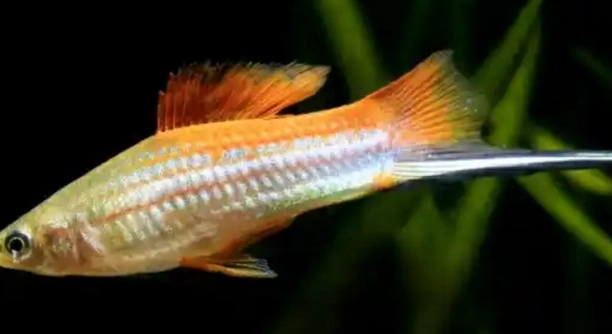
Do your swordtails always seem to swim away from the fry, leaving you wondering what’s behind this behavior in your tank?
Swordtails often avoid their fry due to natural instincts that reduce the risk of predation or stress. In community tanks, adult swordtails may prioritize survival or territory, leading them to steer clear of the younger fish.
There are a few practical ways to encourage better interaction or provide safety for the fry while keeping your adult fish comfortable.
Understanding Natural Swordtail Behavior
Swordtails are livebearers, and their instinctive behavior can sometimes seem confusing, especially when they avoid their own fry. In the wild, swordtails rely on natural selection and survival cues. Adults often keep their distance from fry, not out of neglect, but as a survival strategy. This behavior helps reduce stress, prevents overcrowding, and avoids attracting predators. In a tank environment, similar instincts can remain, even without the same threats. Some adult swordtails may also eat fry, especially when hungry or if they feel the fry are invading their space. Hiding spots, plants, and proper feeding can all play a role in how adult swordtails behave around young ones. Watching their patterns helps you understand what they’re trying to avoid or protect. Sometimes, separating the fry early on can help both groups thrive without added stress or territorial behavior from the adults.
Fry avoidance is often a natural, protective behavior that reduces perceived risk or competition in shared tank space.
Creating a balanced environment with hiding places and a consistent feeding schedule helps reduce avoidance and promotes healthier tank dynamics overall.
How Tank Setup Affects Fry Interaction
Tank size, layout, and water conditions can influence how swordtails behave around their fry.
A crowded or poorly designed tank can lead to more avoidance, as adult swordtails become territorial or overwhelmed. Ensuring your tank has enough space, especially for livebearers, is essential. A minimum of 20 gallons is ideal for a small group. Add live or artificial plants to give fry cover and create separation. Use floating plants or moss balls for additional hiding. Swordtails appreciate horizontal space, so tanks with wider dimensions work better than tall ones. Clean water with stable parameters also plays a role. High ammonia or nitrate levels can stress adult fish, making them less tolerant of fry. Gentle filters and a soft current help maintain comfort for both age groups. When the tank feels more like their natural environment, swordtails will often show more relaxed and predictable behavior, including fewer instances of fry avoidance or aggression.
Feeding Habits and Their Influence
When adult swordtails are hungry or underfed, they are more likely to ignore or even eat their fry. Regular, balanced feeding reduces this behavior.
Providing enough food for all tank inhabitants helps prevent stress-driven reactions. Feed small amounts multiple times a day if possible, including high-protein options like brine shrimp or crushed flakes. This ensures the adults feel satisfied and are less likely to act aggressively toward fry. If fry are left out during feeding, they may draw unwanted attention by scavenging too closely. Consider using sinking food or feeding in separate tank sections to keep both groups calm. Overfeeding, though, can cause water issues that increase stress. Keep your tank clean and monitor how your fish behave after feeding. A peaceful feeding time is often a good sign that the environment is balanced and fry will be safer.
Use a separate breeder box or nursery tank if feeding adjustments don’t change fry avoidance. This helps both groups thrive without tension.
Stress and Environmental Triggers
Stress causes swordtails to act in unpredictable ways, including avoiding fry or becoming more aggressive than usual. Too many tank mates, loud surroundings, or poor lighting can all play a part.
Try reducing stress by adjusting tank lighting and reducing sudden changes in the environment. Make sure the tank isn’t located near high-traffic areas or loud electronics. Keep decorations in familiar places and avoid rearranging the layout often. Swordtails prefer a consistent environment with a stable routine. If you’re adding new fish, do so gradually, and quarantine newcomers before introducing them to the main tank. Also, monitor water temperature and pH levels closely. When something is off, adult swordtails may pull away from fry to protect themselves or avoid added interaction. It’s not personal—it’s a natural reaction to discomfort. Pay attention to their body language. Tense swimming, hiding, or frequent nipping are all signs something’s off and needs adjustment.
Breeding Behavior Patterns
Male swordtails often focus more on chasing females than interacting with fry. Their attention is driven by breeding instincts rather than parental care, which can lead them to ignore or move away from fry entirely.
Females, especially after giving birth, may need rest and space. They might avoid fry while recovering, which is normal behavior in most livebearer species.
Importance of Fry Protection
Fry are naturally vulnerable and need time to grow without constant interaction. It’s common for them to stay hidden among plants or decor. This separation is actually helpful, as it prevents them from being seen as competition or food by adult fish. Even in peaceful tanks, fry can benefit from physical barriers or breeding boxes that keep them safe. Over time, as they grow and gain size, adult swordtails may become more accepting. Until then, it’s best to create spaces that allow fry to eat and develop without stress. Observation helps too—adjusting things when needed supports both fry safety and overall tank harmony.
When to Intervene
If avoidance turns into chasing or constant tension, it’s time to separate the fry to prevent harm and reduce stress for all fish.
FAQ
Do swordtails care for their fry?
No, swordtails do not provide parental care for their fry. Once the fry are born, adult swordtails treat them as separate individuals. Unlike some fish species that guard or nurture their young, swordtails instinctively move on. In fact, adults may eat the fry if they are hungry or feel stressed. This behavior is normal and not a sign of aggression. To protect fry, it’s best to separate them from the adults using breeder boxes or dense plants until they are big enough to avoid being eaten or ignored.
Why do adult swordtails avoid fry even when the tank is peaceful?
Even in calm tanks, adult swordtails may naturally avoid fry due to instinct. In the wild, fry that survive usually stay hidden, and adults don’t seek them out. In tanks, this behavior continues. Avoidance may also happen because adults are focused on breeding, resting, or avoiding extra stress. It doesn’t mean something is wrong, but it’s good to watch for signs of stress or tension that could make things worse. If both adults and fry seem comfortable, avoidance is likely just part of their routine.
How can I tell if fry are in danger?
Watch for signs of nipping, chasing, or sudden movements when fry come close to adults. If fry are hiding constantly and not eating, they might be too scared to move freely. Also, check the adult fish. If they seem restless or territorial, they may not want fry nearby. When in doubt, separate the fry to avoid problems. You can also add floating plants or mesh dividers to break line of sight and give fry safe zones. A peaceful tank should have relaxed movements and no signs of panic from any group.
Is it okay to leave fry with adults if there’s enough hiding space?
Yes, but only if the tank is large enough and full of safe hiding spots. Dense plants like Java moss, guppy grass, and floating greenery work well. If fry have enough room to explore without crossing into adult space, they may grow up just fine in the same tank. You’ll still need to monitor the setup often. If fry start disappearing or adults seem stressed, it may be time to separate them. Each tank is different, so small adjustments can go a long way in keeping things balanced.
What should I feed swordtail fry to keep them growing strong?
Swordtail fry do well on finely crushed flakes, baby brine shrimp, and powdered fry food. Feed them small amounts two to three times a day. Make sure food reaches them, especially if they’re hiding. A turkey baster or feeding stick can help direct food to their area. Avoid overfeeding, since leftover food can spoil water and stress the whole tank. Clean water and steady feeding routines are key to healthy fry development. As they grow, you can slowly switch to the same food adults eat, just in smaller portions.
Why do some swordtails seem to watch the fry but not interact?
This often happens when adults are curious but not feeling territorial or hungry. It’s not unusual for a swordtail to swim near fry and just observe without reacting. These moments are usually calm and don’t indicate danger. However, stay alert. If the adult suddenly darts or flares at fry, that calm behavior may change quickly. Sometimes adult fish simply pass by fry as they explore the tank. As long as no one is getting chased or hiding excessively, there’s usually no reason to worry.
Can fry avoidance be reduced over time?
Yes. As fry grow and gain size, they become less of a target and more accepted in the group. Adults often adjust once they no longer see the fry as food or competition. Keeping the tank environment stable with clean water, balanced lighting, and calm surroundings helps. Over time, fry that survive the early stages often blend in with the rest of the tank naturally. Patience and observation are key—every tank develops its own rhythm.
Final Thoughts
Watching swordtails interact in a community tank can be both relaxing and puzzling. One moment they seem to swim peacefully, and the next, they avoid their fry without any clear reason. This behavior is natural for swordtails. They are not known to care for their young after birth. Unlike fish species that protect their offspring, swordtails often go on with their usual routines. Avoiding fry is a behavior shaped by instinct. It doesn’t mean the adults are being aggressive or that something is wrong with your tank setup. In many cases, it just reflects their typical breeding habits. Understanding these patterns can help you feel more confident about your aquarium and know when, or if, to step in.
Creating a calm and well-structured tank can make a big difference for both adult swordtails and fry. Adding plenty of plants, caves, or hiding places gives fry the chance to grow safely. These spaces let the adults do their thing while fry stay out of sight and out of trouble. If you notice any chasing or increased stress, it’s okay to use breeder boxes or dividers to offer extra protection. Every tank is a little different, so the best setup is one that suits the behavior of your fish. Regular feeding, water changes, and keeping an eye on interactions will help everyone stay healthy and comfortable. Over time, fry that survive and grow will naturally blend into the group, and the adults usually adjust.
While it might feel a bit discouraging at first to see adult swordtails avoid or ignore fry, it’s helpful to know this is common and expected. This kind of behavior doesn’t mean your fish are unhappy or that you’re doing anything wrong. As long as the fry have space to grow and the adults show no signs of aggression, things are likely going well. Sometimes, small changes like rearranging plants or adjusting feeding schedules can improve things even more. With time, patience, and simple care, you’ll be able to support healthy growth in both adult swordtails and their fry. Keeping things simple and observing your fish daily will help you stay in tune with their needs and create a peaceful environment for them to thrive.

Hello,
If you enjoy the content that we create, please consider saying a "Thank You!" by leaving a tip.
Every little bit helps us continue crafting quality advice that supports the health, happiness, and well-being of pets around the world, for pets of all shapes, sizes, and species.
We really appreciate the kindness and support that you show us!