
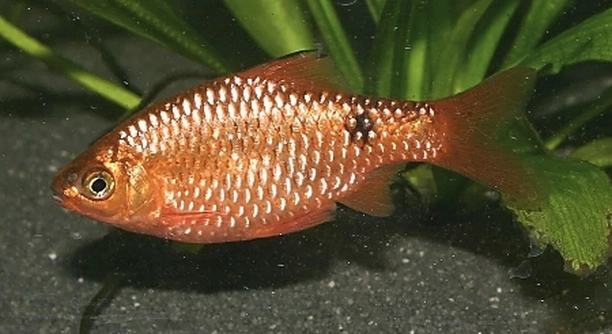
Rosy barbs are popular freshwater fish that many aquarium owners enjoy keeping. These active and colorful fish often swim in groups, adding life to any tank. Sometimes, they gather tightly in one corner, which can catch your attention quickly.
Rosy barbs group in one corner mainly due to stress, poor water conditions, or the need for safety within their environment. They instinctively cluster to feel secure or avoid disturbances, reflecting their natural schooling behavior and responses to environmental changes.
Learning why rosy barbs behave this way can help you improve their habitat and wellbeing. Understanding their needs ensures a healthier, more vibrant aquarium for these charming fish.
Reasons Why Rosy Barbs Group in One Corner
Rosy barbs often group in one corner when they feel stressed or threatened. This behavior is a natural response to changes in their environment. For example, sudden loud noises, bright lights, or rapid movements near the tank can make them seek safety together. Poor water quality, such as high ammonia or nitrite levels, can also cause discomfort, prompting them to huddle. Additionally, overcrowding or aggressive tank mates may force them to find a calm spot where they can stay away from trouble. When these fish are healthy and comfortable, they usually swim more freely around the tank. Observing where they group can give you clues about how they feel. It’s important to regularly check the tank conditions and keep their environment stable to help them feel secure and behave naturally.
Grouping in one corner is mostly a sign that the fish need reassurance or a better environment to thrive. Watching for these signs is key to good care.
Knowing these triggers helps you respond quickly. Adjusting water quality, reducing stressors, and creating hiding spots can improve their comfort and encourage normal activity.
How to Improve Their Environment
Providing a comfortable and stable environment is essential for rosy barbs to spread out and swim happily. They need clean water with stable temperature and good filtration. Regular water changes help keep the water fresh and free of harmful chemicals. Adding plants or decorations creates hiding places, which reduces stress and encourages natural behavior. It’s also important to avoid overcrowding by keeping the right number of fish in the tank. Avoid sudden changes in lighting or loud noises near the aquarium, as these can scare them. A well-maintained tank with peaceful tank mates helps rosy barbs feel safe and confident, so they explore rather than hide. Simple steps like monitoring water quality and creating a calm environment make a big difference in their behavior and health.
Common Stress Factors for Rosy Barbs
Stress is a major reason rosy barbs group tightly in one corner of the tank. They feel vulnerable and try to protect themselves.
Stress in rosy barbs can come from many sources. Poor water quality is a frequent issue, especially if ammonia or nitrites rise above safe levels. Sudden changes in temperature or water chemistry can also upset them. Loud noises or vibrations near the tank may cause constant anxiety. Aggressive tank mates or overcrowding make them feel threatened. Without a calm environment, these fish remain stressed, which leads to unhealthy behaviors like hiding or grouping. Addressing these factors quickly is key to reducing stress and improving their wellbeing.
Sometimes stress is subtle but builds over time. Even small, repeated disturbances affect their comfort. Providing a stable, quiet environment and peaceful companions helps keep stress low. Regular water testing and gentle tank maintenance prevent sudden changes. Creating plenty of hiding spots offers them places to relax and feel secure. These steps support healthier behavior and reduce the need for tight grouping.
Effects of Water Quality on Grouping Behavior
Poor water quality directly influences rosy barbs’ tendency to group in one area. Clean water encourages movement and exploration.
Ammonia, nitrite, and nitrate levels that are too high cause discomfort and stress. This forces the fish to gather where conditions may feel safer or less harsh. Low oxygen levels in the water can also make them cluster near areas with better oxygen flow. Maintaining proper filtration and regular water changes are necessary to keep water parameters stable. Testing water frequently helps catch issues before they cause stress. A clean, balanced environment lets rosy barbs swim freely and behave naturally without hiding in one corner. Keeping water quality in check is a simple but essential way to prevent this behavior.
Tank Size and Space Issues
A tank that is too small can cause rosy barbs to crowd in one corner. They need enough space to swim comfortably. Limited space increases stress and causes them to group tightly for safety.
Providing a larger tank or reducing the number of fish can help. Adequate space allows them to spread out and behave naturally.
Importance of Tank Mates
Rosy barbs do best with peaceful, compatible tank mates. Aggressive or overly active fish can stress them out, causing tight grouping. Choosing calm companions reduces tension and promotes harmony in the tank.
Lighting and Its Impact
Bright or sudden changes in lighting can startle rosy barbs. They may retreat to one corner to avoid harsh light. Using soft, consistent lighting helps keep them calm and comfortable.
Feeding Habits and Grouping
Rosy barbs sometimes group during feeding times. This is normal as they compete for food, especially if feeding is irregular or food is scarce. Providing enough food and feeding at regular times prevents aggressive crowding.
FAQ
Why do rosy barbs stay in one corner of the tank?
Rosy barbs often stay in one corner because they feel stressed or unsafe. This behavior is common when water quality is poor, there are sudden changes in their environment, or if they feel threatened by other fish. Grouping together helps them feel more secure.
Is it normal for rosy barbs to group tightly?
Yes, it’s normal for rosy barbs to school or group tightly sometimes. It’s their natural way of protecting themselves. However, if they stay grouped in one corner for long periods, it could mean something is wrong, like poor water conditions or stress.
How can I reduce stress for my rosy barbs?
To reduce stress, keep the water clean and stable by doing regular water changes and monitoring parameters. Avoid sudden changes in temperature or lighting. Provide plenty of plants or decorations for hiding spots. Also, choose peaceful tank mates and avoid overcrowding.
What water conditions do rosy barbs prefer?
Rosy barbs thrive in clean, well-filtered water with a temperature between 64°F and 72°F (18°C to 22°C). The pH should be neutral to slightly alkaline, around 6.5 to 7.5. Low ammonia and nitrite levels are critical, so regular testing is important.
Can aggressive tank mates cause rosy barbs to group?
Yes, aggressive or territorial fish can stress rosy barbs, causing them to hide or cluster together in one corner. Choosing calm, compatible tank mates helps them feel safe and encourages more natural swimming behavior.
How often should I feed rosy barbs?
Feeding small amounts two to three times a day is best. Overfeeding can harm water quality, while irregular feeding may cause competition and crowding during meal times. Consistent feeding helps reduce stress and prevents aggressive behaviors.
Does tank size affect rosy barb behavior?
Definitely. Rosy barbs are active swimmers and need enough space to move freely. A small tank can cause stress and crowding, making them group tightly. Providing at least a 20-gallon tank for a small group helps them stay comfortable.
Why do rosy barbs hide in one corner after water changes?
Water changes can sometimes cause temporary stress due to shifts in temperature or water chemistry. Rosy barbs may group in a corner until they adjust. To prevent this, make water changes gradual and match the tank’s temperature closely.
Can lighting changes affect rosy barb grouping?
Yes, sudden bright lights or frequent changes in lighting can startle them. Rosy barbs prefer steady, soft lighting. Avoid turning lights on or off abruptly and consider using dimmers or timers to create a calm environment.
What should I do if rosy barbs keep grouping despite good care?
If they continue to group tightly despite good water quality and tank conditions, check for hidden stressors like illness or parasites. Sometimes, subtle issues cause discomfort. Consulting a vet or aquatic specialist can help diagnose and treat any health problems.
Are rosy barbs social fish?
Yes, rosy barbs are social and enjoy swimming in groups. Keeping them in groups of at least six helps reduce stress and encourages natural behavior. Alone, they can become shy or stressed, leading to unusual grouping or hiding.
How does overcrowding impact rosy barb behavior?
Overcrowding raises stress levels, causes aggression, and reduces oxygen. This often leads to rosy barbs bunching up in corners for safety. Keeping a proper fish count and ensuring enough space per fish helps avoid these issues.
Can water temperature cause rosy barbs to group?
Yes, if the water is too cold or too warm, rosy barbs may become sluggish and group in one area. Maintaining a stable temperature within their preferred range is important for their comfort and activity.
What types of decorations help reduce rosy barb stress?
Live or artificial plants, rocks, and caves create hiding spots and break up open space. These decorations give rosy barbs places to retreat when feeling stressed, encouraging more confident swimming and reducing tight grouping.
Is it normal for rosy barbs to cluster during feeding?
It is normal for rosy barbs to gather during feeding because they compete for food. However, crowding too much or showing aggression means feeding amounts or frequency should be adjusted.
How can I tell if grouping is a sign of illness?
If rosy barbs are lethargic, lose appetite, show visible signs like spots or frayed fins, and remain grouped for long periods, illness may be the cause. Early treatment and proper quarantine help prevent disease spread.
Does tank layout influence grouping behavior?
Yes, tanks with too much open space and no hiding spots may cause rosy barbs to feel exposed and group for safety. A balanced layout with open swimming areas and shelters supports healthy behavior and reduces stress.
What is the best number of rosy barbs to keep together?
Keeping at least six rosy barbs together promotes natural schooling behavior and reduces stress. Smaller groups may cause shy or anxious behavior, leading to more frequent grouping in one spot.
Can poor diet cause grouping behavior?
A poor diet weakens rosy barbs and can make them less active, often grouping in corners to conserve energy. Feeding a varied, balanced diet supports their health and encourages normal activity.
How often should I test my tank water?
Testing water weekly is recommended to catch any problems early. Regular checks of ammonia, nitrite, nitrate, pH, and temperature help maintain a healthy environment and prevent stress-related behaviors.
Rosy barbs grouping in one corner is usually a sign that something in their environment needs attention. It often means they feel stressed, uncomfortable, or unsafe. This behavior can result from poor water quality, sudden changes in the tank, or aggressive tank mates. When these fish cluster tightly, they are trying to protect themselves by staying close together. Understanding these signs helps aquarium owners provide better care and create a healthier space for their fish.
Maintaining clean water with stable temperature and proper filtration is key to keeping rosy barbs happy and active. Regular water changes and testing prevent harmful chemicals from building up. Adding plants and decorations gives the fish places to hide and feel secure. It’s also important to choose tank mates that are calm and non-aggressive, so the rosy barbs don’t feel threatened. Providing enough space by avoiding overcrowding helps reduce stress and encourages them to swim freely. Feeding them balanced food at regular times supports their health and reduces competition during meals.
Paying attention to these simple factors will improve the well-being of rosy barbs and reduce their need to group in one corner. A peaceful, well-maintained tank lets them show their natural colors and behavior. While grouping can be normal sometimes, it’s usually a helpful clue that something needs to be adjusted. By creating a stable environment with proper care, rosy barbs will feel comfortable and thrive, bringing beauty and life to the aquarium.

Hello,
If you enjoy the content that we create, please consider saying a "Thank You!" by leaving a tip.
Every little bit helps us continue crafting quality advice that supports the health, happiness, and well-being of pets around the world, for pets of all shapes, sizes, and species.
We really appreciate the kindness and support that you show us!