
Red-Eared Sliders are one of the most popular pet turtles, known for their unique appearance and friendly nature. Their name, however, raises a lot of curiosity. You may wonder why they’re specifically called “red-eared.”
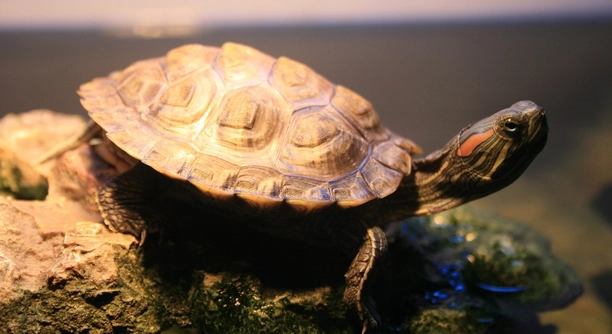
The name “Red-Eared Slider” comes from the distinct red markings behind their eyes, resembling small ears. This colorful feature is most visible in adult turtles, giving them their iconic name. They are a species of semi-aquatic turtle native to the southern United States.
These fascinating creatures have more to them than just their name. There are interesting details about their habits and history that make them even more intriguing.
What Makes the Red Markings So Unique?
The red marks behind a Red-Eared Slider’s eyes are not just for show. They serve an important role in their survival and behavior. These markings are believed to help them communicate with each other. In the wild, they can attract mates or establish dominance among other turtles. The red areas are a part of their natural coloring that stands out, especially during the mating season. Male turtles may use these markings as a signal to female turtles. This visual cue helps with identifying each other more easily, which can be useful in crowded or murky water environments.
The red marks can fade or change as the turtle ages, becoming more subtle over time. However, they remain an iconic feature of the species.
Interestingly, these markings are not unique to just the Red-Eared Slider. Other species of turtles also show vibrant colors or patterns on their bodies. However, the red “ear” spots of this turtle are distinct in their location and shape, which is what makes them stand out.
How the Name Reflects Their Habitat
The Red-Eared Slider’s name reflects their preferred environment. They live in slow-moving bodies of water, such as ponds, lakes, and marshes. These areas provide the perfect habitat for them to bask in the sun and slide into the water.
The Importance of Their “Sliding” Ability
Red-Eared Sliders are named for their ability to “slide” in and out of the water with ease. This behavior helps them escape from predators quickly and find safe spots to bask. Their streamlined bodies allow them to glide through the water, reaching higher speeds than most turtles.
Sliding also helps them stay agile. In the wild, they use this skill to navigate various water depths and find food. When a Red-Eared Slider slides off rocks or banks into the water, it often creates a splash, signaling its escape or movement. This ability to move quickly is vital for survival, particularly in areas where larger animals may hunt them.
Their skill in sliding is not just for defense. It allows them to access different habitats in search of food. Being able to easily slip into the water or climb out quickly means they can gather food in aquatic plants, insects, or even small fish. This behavior is central to their ability to thrive in a variety of environments.
Red-Eared Sliders and Their Diet
Red-Eared Sliders are omnivores, meaning they eat a variety of foods. Their diet includes plants, insects, and small fish. They are opportunistic feeders, meaning they will eat whatever is available in their environment. This flexible diet allows them to thrive in many different habitats.
In captivity, their diet should mimic what they would eat in the wild. Offering them a balance of leafy greens, aquatic plants, and occasional protein sources will keep them healthy. Some turtle owners also provide commercial turtle food, which often contains the right nutrients for their pet. It’s important to offer a variety of food to ensure they receive all the essential nutrients.
In their natural environment, Red-Eared Sliders are constantly searching for food. They forage along the edges of ponds and lakes, where aquatic plants grow and small animals live. Their ability to eat both plant and animal matter helps them survive in different ecosystems. Their diet can change depending on the season, with a preference for more protein during the warmer months when food is abundant.
Lifespan and Growth of Red-Eared Sliders
Red-Eared Sliders can live a long time, often reaching 20 years or more in captivity with proper care. Their lifespan in the wild can vary, but they tend to live a bit shorter due to the dangers they face, such as predators and habitat loss.
As they grow, they go through several stages. Baby turtles are small and delicate, requiring special attention and a proper diet to develop strong shells. Over time, they grow larger, with males reaching around 5 to 7 inches and females growing up to 12 inches. Their growth can be influenced by factors like diet, water temperature, and overall living conditions.
Proper care is essential for a Red-Eared Slider’s development. A well-maintained tank with clean water, a basking area, and enough space to swim will support healthy growth. Without the right conditions, their development may be stunted. A balanced diet also helps ensure that their shells grow strong and resilient.
Red-Eared Slider Behavior
Red-Eared Sliders are known for their calm and curious behavior. They are often active during the day, basking in the sun and exploring their environments. In the wild, they tend to be social, forming small groups to share basking spots.
In captivity, they may enjoy interaction with their owners but tend to be more independent than some pets. They usually prefer to stay in their tanks but may become more active when given the chance to explore outside the tank. If they feel threatened, they may hide or retreat into their shells for protection.
FAQ
How often should I feed my Red-Eared Slider?
Red-Eared Sliders should be fed every 2-3 days, but the frequency depends on their age and size. Younger turtles need to eat more often, about once a day, while adults can be fed every other day. The amount of food should be enough for them to finish in 15-20 minutes to prevent overfeeding. A balanced diet that includes vegetables, fruits, and protein sources like small fish or insects is ideal for them.
What size tank do Red-Eared Sliders need?
A Red-Eared Slider requires a spacious tank. For a single adult turtle, a 75-gallon tank is the minimum size. This provides enough room for them to swim, bask, and explore. The tank should also have a filtration system to keep the water clean. If you plan to have more than one turtle, you’ll need an even larger tank. They need both a water area for swimming and a dry area for basking to stay healthy.
Can Red-Eared Sliders live together?
Yes, Red-Eared Sliders can live together, but they need enough space to avoid territorial conflicts. Males, in particular, may become aggressive towards other males, especially if there isn’t enough room. If you keep multiple turtles, make sure there are separate basking spots, and monitor them for signs of aggression. If necessary, separate them into different tanks. Also, ensure the water quality is maintained, as a crowded tank can quickly become polluted.
What temperature should the water be for Red-Eared Sliders?
The water temperature for Red-Eared Sliders should be between 75°F and 80°F (24°C to 27°C). This range promotes healthy digestion and overall well-being. If the water is too cold, it can slow down their metabolism and make them susceptible to illness. A water heater can help maintain the right temperature, especially during colder months. It’s also important to have a basking spot where the turtle can warm up to around 90°F (32°C).
Do Red-Eared Sliders need UVB lighting?
Yes, UVB lighting is essential for Red-Eared Sliders. UVB helps them produce vitamin D3, which is necessary for calcium absorption and shell health. Without UVB light, turtles are at risk of developing shell deformities and other health issues. You should provide UVB lighting for 10-12 hours a day, and it should be placed near the basking area to mimic natural sunlight. Make sure to replace the bulb regularly, as its effectiveness decreases over time.
Can Red-Eared Sliders eat fish?
Red-Eared Sliders are omnivores and enjoy eating fish, but it should be given in moderation. Small fish, such as minnows or goldfish, can be a great source of protein. However, feeding them too many fish can lead to an unbalanced diet. It’s best to offer fish as a treat and include other food options like leafy greens, aquatic plants, and insects. Avoid feeding them large amounts of goldfish, as they can carry parasites that may harm your turtle.
How long can a Red-Eared Slider stay out of water?
Red-Eared Sliders are semi-aquatic, so they spend a lot of time in the water. However, they can stay out of water for several hours, especially if they are basking. In captivity, they should have access to both water and a dry basking area. They need to bask regularly to help regulate their body temperature and dry out their shells. If left out of water for too long, they can become dehydrated, so make sure they always have access to a water source.
Why is my Red-Eared Slider not eating?
If your Red-Eared Slider is not eating, it could be due to several factors. One common reason is temperature. If the water or basking area is too cold, it can cause them to lose their appetite. Stress is another factor, often caused by a change in environment, tank mates, or feeding routine. Illness, poor water quality, or an unbalanced diet can also affect their appetite. If the problem persists, it’s best to consult a veterinarian specializing in reptiles to rule out any health issues.
How do I tell if my Red-Eared Slider is healthy?
A healthy Red-Eared Slider should have clear eyes, a smooth, firm shell, and active behavior. Their shell should not have soft spots or visible cracks, and the color should be vibrant, not dull or discolored. Healthy turtles are active swimmers and will bask regularly. If your turtle is lethargic, has swollen or runny eyes, or shows signs of abnormal behavior like a lack of appetite, it may be a sign of illness. Regular health check-ups and proper care can help keep your turtle in good shape.
Are Red-Eared Sliders good pets?
Red-Eared Sliders can make great pets for the right person. They are relatively easy to care for as long as you provide them with the right tank setup, diet, and lighting. They are also long-lived, which means a long-term commitment. However, they do require a lot of space, and their tank needs to be properly maintained to ensure their health. If you are willing to take care of their needs, they can be friendly and entertaining pets.
Final Thoughts
Red-Eared Sliders are fascinating creatures, well-loved for their unique features and manageable care requirements. Their red markings, combined with their ability to move easily between land and water, make them stand out. These turtles are relatively easy to care for if you provide them with the proper tank setup, a balanced diet, and the right environment to thrive. The most important factors include maintaining clean water, providing enough space, and ensuring they have access to both a basking area and UVB lighting.
Despite their calm nature, Red-Eared Sliders are a long-term commitment. They can live for decades, meaning they will need care for many years. Their growth rate can vary, but they typically require larger tanks as they age. This makes their care more demanding as they grow. Since they are social animals, it’s best to give them ample space, and if you have multiple turtles, be prepared for potential territorial behavior. With proper attention, they can live happily in a tank that mimics their natural habitat.
Overall, Red-Eared Sliders are great pets for those who are ready to take on the responsibility. They can be a rewarding addition to your home, offering plenty of opportunities to observe their fascinating behaviors and unique personalities. By following the necessary care guidelines and providing them with the right environment, they will live a healthy, long life. These turtles may not require constant interaction, but they will thrive in a well-maintained space where they can both bask and swim freely.

Hello,
If you enjoy the content that we create, please consider saying a "Thank You!" by leaving a tip.
Every little bit helps us continue crafting quality advice that supports the health, happiness, and well-being of pets around the world, for pets of all shapes, sizes, and species.
We really appreciate the kindness and support that you show us!