
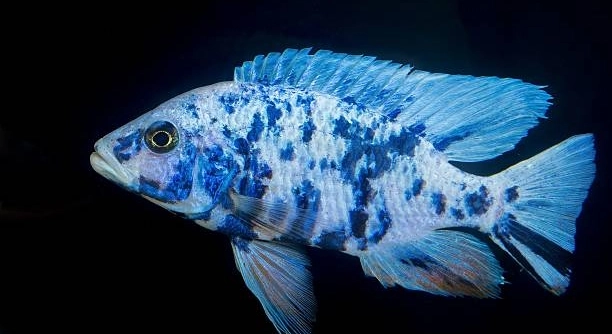
Rasboras are small, peaceful fish that brighten up any home aquarium. They often gather near the surface, moving gently and seeming fascinated by tiny air bubbles drifting above them. This behavior can be quite charming to watch.
Rasboras are naturally drawn to air bubbles because they serve as a source of oxygen and stimulate feeding behaviors. Observing and interacting with bubbles is an instinctive activity that supports both respiration and environmental exploration.
Understanding why rasboras behave this way can improve how you care for them. Their bubble fascination reveals interesting insights into their natural habits and needs.
How Air Bubbles Affect Rasbora Behavior
Rasboras spend a lot of time near the surface, and air bubbles play a big role in their daily activity. These tiny bubbles provide additional oxygen, which is important for fish health. Watching them interact with bubbles shows how they explore and respond to their environment. They often nibble at the bubbles or swim through them, which keeps them active and mentally engaged. In aquariums, this behavior also helps reduce stress, as it mimics natural water movement. Many hobbyists notice that rasboras become more lively when bubbles are present, even if the bubbles are small or infrequent. It’s interesting how such a simple element can influence their mood and activity. This behavior highlights the importance of oxygenation and environmental enrichment in aquariums, showing that even small details can make a noticeable difference in fish well-being.
Air bubbles provide stimulation and oxygen, keeping rasboras active, healthy, and engaged in their aquarium environment.
Regular exposure to air bubbles encourages natural swimming patterns and helps prevent lethargy. When bubbles rise, rasboras instinctively follow or nibble at them. This small activity supports respiratory efficiency, especially in aquariums where oxygen levels may vary. By observing bubble interaction, you can assess their comfort level. Consistent movement around bubbles also promotes social behavior among groups, reducing aggression and encouraging group cohesion. Small bubbles create currents that simulate natural conditions, making the aquarium more enriching and comfortable.
Common Misconceptions About Bubble Behavior
Many people think rasboras only go for bubbles out of play or curiosity.
In reality, the attraction to air bubbles is closely tied to survival instincts. Fish need oxygen to thrive, and bubbles enhance the water’s oxygen content near the surface. When rasboras chase or nibble at bubbles, they are responding to a natural trigger that supports their respiration. This behavior also helps them maintain energy levels and reduces stress in confined aquarium spaces. Beyond oxygen, bubbles create movement in the water that encourages swimming, exploration, and interaction with tank mates. While it may appear playful, this activity is essential for their well-being. By understanding this, aquarists can better design tank setups, including aeration and filtration systems, that meet their fish’s needs. Providing consistent water movement and bubbles ensures healthier, more active fish, creating a visually lively aquarium that supports both their physical and mental health.
How to Provide Safe Bubble Stimulation
Bubbles should come from a gentle air stone or filter output to avoid stressing rasboras. Strong currents can tire them or cause injuries. Small, steady bubbles encourage natural swimming and exploration without disrupting the tank’s balance.
Using a soft air stone or sponge filter creates fine, slow-rising bubbles that rasboras can interact with safely. Avoid placing bubble sources too close to decorations or the tank’s edges, as this may trap fish or limit their movement. Fine bubbles mimic natural water surfaces better, giving oxygen while promoting gentle currents. Consistent, controlled bubbling keeps fish active and engaged without causing fatigue. Observing their interaction helps ensure they are comfortable and healthy, and small adjustments to bubble placement can improve both oxygenation and tank dynamics.
Introducing bubbles gradually allows fish to adapt without stress. Rapid changes in water flow or sudden large bubbles can startle them. Monitor how rasboras respond and adjust accordingly, ensuring the bubbles provide enrichment, not anxiety. Well-placed bubbles enhance oxygen, encourage swimming, and support natural behavior.
Signs Your Rasboras Are Enjoying Bubbles
Active swimming near rising bubbles indicates comfort and curiosity.
Rasboras chasing, nibbling, or circling bubbles show they are engaged and stimulated. Calm behavior, paired with bright coloration, suggests they are thriving in a well-oxygenated environment. Fish that avoid bubbles or hide may need adjustment in bubble size or placement. Watching how they interact can inform tank setup decisions. Properly positioned bubbles encourage natural activity, improve health, and strengthen group cohesion.
In addition to oxygen benefits, bubble interaction supports physical and mental health. Fish that swim through bubbles regularly maintain muscle tone and avoid lethargy. Group dynamics improve as rasboras follow and interact with one another around bubbles. Stress indicators, such as hiding, clamped fins, or dull colors, often decrease when a gentle bubble stream is present. Bubbles also simulate natural currents, prompting instinctive behaviors like chasing, circling, and surface exploration. Adjusting bubble flow based on observation ensures fish remain active without overexertion. This creates a healthier, more engaging environment, reinforcing natural patterns that keep them lively and visually appealing in the aquarium.
Timing and Frequency of Bubble Exposure
Short periods of bubble activity are enough to keep rasboras engaged. Too many bubbles or continuous streams can overwhelm them, making the tank stressful.
Observing their reaction helps determine optimal timing. Some rasboras prefer brief bubble bursts, while others enjoy longer sessions. Adjusting frequency ensures their comfort and promotes natural activity without causing fatigue.
Bubble Placement Tips
Place air stones or bubble outlets away from strong currents or tank edges. Keep bubbles accessible but gentle, allowing free movement and exploration. Fine, rising bubbles near the center or surface encourage natural swimming patterns without forcing fish into stressful positions.
Common Mistakes to Avoid
Overly large bubbles or high-pressure streams can frighten rasboras and disrupt their swimming. Always monitor their response and adjust equipment accordingly.
Observing Health Through Bubble Interaction
Healthy rasboras actively chase or circle bubbles. Lethargy, hiding, or clamped fins may indicate low oxygen or stress. Regular observation allows early detection of issues and ensures the bubble setup supports their well-being effectively.
FAQ
Why do rasboras follow air bubbles so closely?
Rasboras naturally gather near rising air bubbles because bubbles increase oxygen at the water surface. Following bubbles is instinctive, helping them get enough oxygen while also encouraging movement. This behavior is normal and indicates that they are alert and engaged with their environment.
Can too many bubbles harm my rasboras?
Yes, overly strong currents or large bubbles can stress rasboras. They may become fatigued, hide more, or show signs of discomfort. Gentle, consistent bubbles are best. Using an air stone or sponge filter with fine bubbles helps maintain a safe and stimulating environment.
Do rasboras eat air bubbles?
No, rasboras do not eat bubbles. They may nibble at them out of curiosity, but the bubbles are not food. This nibbling is part of their exploration behavior and helps them stay active in the tank.
How often should I run bubbles in my tank?
Short, regular periods of bubbles are ideal. Continuous strong bubbling can cause stress, while very few bubbles may reduce activity. Observing how your fish respond is the best way to determine timing and frequency. Adjustments can be made based on their comfort and activity levels.
Where should I place air stones or bubble outlets?
Place bubble sources away from decorations or tank edges, in open areas where rasboras can swim freely. Center or surface placement works well to mimic natural currents. This allows them to interact with bubbles without feeling trapped or forced into strong currents.
Do rasboras interact with bubbles differently in groups?
Yes, group dynamics affect bubble behavior. In a school, rasboras often chase and circle bubbles together, which encourages social interaction and reduces aggression. A well-oxygenated, bubble-rich environment promotes cohesion and natural swimming patterns among the group.
Can bubble interaction indicate fish health?
Active engagement with bubbles is a sign of healthy rasboras. Lethargy, clamped fins, or hiding near the bottom may suggest low oxygen or stress. Monitoring bubble interaction is a simple way to track fish well-being and make necessary adjustments to tank conditions.
Do all rasboras enjoy bubbles the same way?
Individual fish may react differently. Some follow bubbles constantly, while others are more cautious. Tank conditions, size, and bubble placement influence behavior. Observing each fish allows you to provide suitable stimulation for the whole group without causing stress.
Are there alternatives to bubbles for oxygenation?
Yes, filters, water movement, and live plants can improve oxygen levels. However, bubbles provide both oxygen and enrichment, encouraging swimming and exploration. Combining gentle bubbles with other oxygenation methods ensures rasboras remain healthy and active.
How can I tell if my bubble setup is effective?
Effective setups create fine, gentle bubbles that rise steadily without overwhelming the fish. Rasboras should swim near and interact with them without hiding or showing stress. Observing their natural activity patterns and overall health is the best measure of success.
Do temperature and water quality affect bubble behavior?
Yes, warmer water holds less oxygen, so rasboras may seek bubbles more actively. Poor water quality can also reduce their engagement. Maintaining proper temperature, filtration, and cleanliness ensures that bubble interaction remains safe and beneficial.
Should I adjust bubbles at night?
Bubbles can remain on at night if the flow is gentle, as rasboras are less active but still benefit from oxygen. Some aquarists prefer turning bubbles off to reduce noise or disturbance, but gentle continuous flow generally does not harm fish.
Can rasboras get bored of bubbles?
Not usually. Bubbles provide stimulation and mimic natural currents. They support activity and social behavior, keeping rasboras engaged. Rotating bubble placement or using occasional brief bursts can maintain interest while avoiding monotony.
What signs show that rasboras are stressed by bubbles?
Stress indicators include frantic swimming, hiding, clamped fins, and loss of appetite. If these occur, reduce bubble size, strength, or duration. Adjusting placement and monitoring behavior ensures that bubbles remain a positive addition to the tank.
Do rasboras need bubbles if the tank has strong filtration?
Even with good filtration, bubbles can provide enrichment and localized oxygen. Filtration ensures clean water, but bubbles encourage natural behavior and interaction, supporting both mental and physical health. Combining both is ideal for active, healthy rasboras.
Can bubble-loving rasboras survive without air stones?
Yes, they can survive if oxygen levels are sufficient, but interaction with bubbles benefits activity and stimulation. Air stones enhance environmental enrichment and help maintain natural behaviors, especially in small or heavily stocked tanks.
Are bubbles more important in certain tank sizes?
Smaller tanks may benefit more from bubbles, as oxygen can deplete faster. Larger tanks often have more surface area for gas exchange, but bubbles still provide enrichment. Adjust bubble size and placement according to tank volume and fish behavior.
How do live plants affect bubble behavior?
Plants improve oxygen levels and provide hiding spots, reducing stress. Bubbles near plants encourage exploration and maintain gentle water movement. Plants and bubbles together create a more natural environment, supporting activity and health while keeping rasboras engaged.
Can bubbles help reduce aggression in rasboras?
Yes, gentle bubbles encourage swimming and exploration, keeping the group active and occupied. Active engagement reduces boredom and territorial behavior, promoting social cohesion and minimizing conflicts within the school.
Is bubble interaction the same for other small fish?
Other small fish may respond differently. Some species enjoy bubbles, while others avoid them. Observing species-specific behavior helps ensure bubble setups meet the needs of all tank inhabitants without causing stress or competition for space.
Rasboras are small, peaceful fish that show unique behaviors, and their fascination with air bubbles is one of the most noticeable. Watching them follow, nibble, or swim through bubbles highlights how instinctive and natural this behavior is. Bubbles increase the oxygen content near the water surface, which is crucial for their well-being, and they also provide mild stimulation that encourages activity. Unlike some fish that hide or remain still, rasboras respond actively to these small rising air pockets. This interaction is part of their daily routine and reflects their comfort level in the aquarium. When they swim around bubbles, it indicates they feel safe and are receiving proper care. Gentle, steady bubbles not only improve water oxygenation but also help rasboras maintain natural swimming patterns. By observing how often and in what way they interact with bubbles, aquarists can gauge their health and energy. It is important to remember that not all bubbles are equal. Large, strong bubbles or rapid currents can overwhelm them, whereas fine, slow-rising bubbles create a supportive and engaging environment. The size, placement, and flow of bubbles should be adjusted carefully to match the tank’s setup and the fish’s response.
Maintaining a balance between oxygenation and stimulation is key. While bubbles are beneficial, they are not the only factor contributing to rasbora health. Clean water, proper temperature, good filtration, and a balanced diet are equally important. When all these conditions are met, bubbles act as a natural enrichment tool, promoting mental and physical activity. Rasboras are social fish, so having a school increases the positive effects of bubbles. They often swim together, chase bubbles in unison, and engage in group behavior that reduces stress and supports social bonding. For individual aquarists, observing these interactions can be a helpful guide to understanding fish temperament and tank dynamics. The presence of bubbles often leads to brighter coloration, smoother swimming patterns, and more active engagement with the environment. Fine-tuning the bubble setup based on the group’s behavior ensures that the activity remains safe and beneficial. Over time, aquarists can develop a better understanding of how each fish responds to stimulation, which contributes to more attentive and informed care.
Finally, integrating bubbles into a rasbora tank is more than just a visual addition. It supports natural instincts, encourages swimming, and helps maintain respiratory efficiency. While it may seem like a small detail, it has meaningful effects on both the physical health and behavior of the fish. Observing their response to bubbles can also help identify early signs of stress or discomfort, allowing timely adjustments to the tank environment. Gentle, consistent bubbles foster an active, engaging, and comfortable habitat for rasboras, showing that even small environmental changes can have a positive impact. Understanding their fascination with bubbles allows aquarists to provide more than just basic care; it supports enrichment and well-being, creating a healthier, more lively aquarium. By combining proper bubble management with clean water, adequate nutrition, and suitable tank conditions, rasboras can thrive and display natural behaviors that make them enjoyable to watch. Their playful interaction with air bubbles becomes a meaningful part of daily observation, offering insight into their health, habits, and happiness.

Hello,
If you enjoy the content that we create, please consider saying a "Thank You!" by leaving a tip.
Every little bit helps us continue crafting quality advice that supports the health, happiness, and well-being of pets around the world, for pets of all shapes, sizes, and species.
We really appreciate the kindness and support that you show us!