
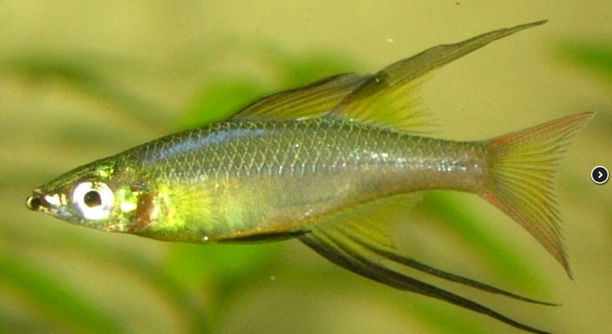
Are your Threadfin Rainbowfish suddenly darting around the tank, making it hard to enjoy their usual calm movements? This sudden activity can seem alarming, especially when you are trying to maintain a peaceful aquarium environment at home.
Threadfin Rainbowfish often exhibit darting behavior due to stress, changes in water quality, or environmental disturbances. Rapid movements can indicate agitation, the presence of other aggressive fish, or the fish responding to sudden changes in light, temperature, or water chemistry.
Observing the signs closely can help you understand their behavior better. Knowing the reasons behind their sudden bursts of energy ensures a healthier, calmer tank environment.
Common Reasons Threadfin Rainbowfish Dart
Threadfin Rainbowfish are naturally active, but sudden darting is often a sign of environmental or social stress. Changes in water parameters, such as pH, temperature, or ammonia levels, can trigger rapid movements. Overcrowding in the tank also increases tension, causing fish to swim erratically. Additionally, sudden changes in lighting or loud noises near the aquarium may startle them. Aggressive tank mates can further contribute to this behavior, as the fish try to escape perceived threats. Even minor disturbances, like tapping on the glass or rearranging decorations, can prompt bursts of speed. Observing when and how they dart helps determine if it is normal activity or a response to stressors. Providing hiding spots and maintaining consistent water conditions reduces the likelihood of frequent erratic swimming. Monitoring their behavior over time gives insight into their comfort levels and overall health.
Stress factors are often the main reason for sudden, erratic darting in Threadfin Rainbowfish, and addressing these can improve calmness.
Understanding why your Rainbowfish act this way requires looking at all environmental conditions. Regular water tests, proper tank spacing, and peaceful tank mates create a stable environment. Even small adjustments, like adding plants for cover or dimming lights, can reduce sudden bursts. Observing feeding patterns also matters; hungry or overfed fish may display irregular movements. Keeping a consistent routine for maintenance and monitoring helps minimize surprises that startle the fish. Temperature fluctuations should be avoided, as even a few degrees change can cause agitation. By noting which factors coincide with darting behavior, you can pinpoint triggers. Over time, creating a calm, predictable environment encourages natural swimming patterns. This also reduces stress-related health issues, improving longevity. Maintaining a clear view of the tank helps catch early signs of disease or aggression. These steps collectively create a more serene and balanced tank for your Threadfin Rainbowfish.
How to Reduce Darting Behavior
Creating a stable tank environment is essential for minimizing erratic swimming. Proper water conditions, peaceful companions, and hiding spaces all contribute to calmer fish.
Monitoring water temperature, pH, and ammonia levels consistently ensures stability, as sudden changes cause stress-induced darting. Providing live or artificial plants, rocks, and decorations gives fish secure areas to retreat when feeling threatened. Overcrowding should be avoided, allowing adequate swimming space for each Rainbowfish. Introducing compatible tank mates reduces aggressive interactions that prompt rapid movements. Feeding a balanced diet at regular intervals prevents erratic behavior linked to hunger or overfeeding. Gradually adjusting lighting and maintaining a predictable maintenance schedule prevents startling the fish. Observing fish daily helps identify triggers before they become serious stress factors. By combining environmental stability, proper tank layout, and attentive care, you can significantly reduce darting behavior and create a healthier, more relaxed habitat for your Threadfin Rainbowfish.
Tank Conditions That Affect Darting
Water temperature changes often cause Threadfin Rainbowfish to dart suddenly. Sudden increases or decreases can shock their system. Maintaining a consistent temperature reduces stress. Filtration flow also matters; strong currents can make them swim frantically, while gentle circulation keeps movements calm.
Stable water parameters are critical. Sudden pH swings, ammonia spikes, or high nitrate levels can provoke rapid movements as fish try to escape uncomfortable conditions. Regular testing and partial water changes prevent harmful buildups. Overcrowded tanks increase tension, leading to erratic swimming. Adding plants and hiding spots gives fish security. Adjusting filtration and lighting gradually keeps the environment predictable. These measures collectively reduce stress, ensuring fish swim naturally and remain healthy. Monitoring behavior alongside water conditions allows early intervention when issues arise.
Light intensity impacts activity levels. Bright, direct lighting can startle Rainbowfish, causing darting. Using dimmers or shaded areas gives fish control over exposure. Proper light cycles also reinforce natural rhythms, keeping movements regular. Overly dim tanks may make fish skittish, as they feel exposed. Observing reactions to light changes helps fine-tune the setup. Combining appropriate lighting with stable water and secure hiding places creates a calmer environment, reducing erratic swimming. Consistency is key, as sudden changes in light, temperature, or tank arrangement can trigger bursts of activity. Gradual adjustments allow the fish to adapt comfortably.
Social Factors and Darting
Aggressive tank mates or competition for space often trigger darting in Rainbowfish. Territorial behavior or bullying increases stress, leading to rapid movements.
Threadfin Rainbowfish are naturally peaceful, so keeping them with compatible species is essential. Aggressive or overly dominant fish create tension, causing frequent bursts of speed. Social hierarchy within a group can also influence behavior; smaller or weaker individuals may dart to avoid confrontation. Ensuring enough space and hiding spots reduces interactions that provoke stress. Grouping Rainbowfish with similar-sized, non-aggressive species encourages calm swimming. Observing interactions helps identify any dominant individuals causing disturbances. Adjusting tank composition or rearranging decor can mitigate aggressive encounters, supporting overall wellbeing and natural activity patterns.
Feeding Habits and Activity
Overfeeding can cause Threadfin Rainbowfish to dart around after meals. Uneaten food can also pollute the water, increasing stress.
Consistent feeding schedules with appropriate portions help regulate activity. High-protein foods may make them more energetic, while balanced diets promote steady behavior and overall health.
Signs of Stress
Erratic swimming, hiding, or sudden color changes are common stress indicators. Monitoring these signs helps identify problems early.
Environmental Adjustments
Adding plants, rocks, and shaded areas gives fish places to retreat. Gradually adjusting water flow and light reduces sudden darting.
Health Concerns
Parasites or infections can increase activity as fish attempt to escape discomfort. Regular observation ensures prompt treatment.
FAQ
Why do my Threadfin Rainbowfish dart suddenly at night?
Nighttime darting is often caused by changes in light levels. Fish may react to shadows or reflections outside the tank. It can also be a response to nearby movements in the room or vibrations. Ensuring a calm, dim environment during evening hours helps minimize sudden activity.
Is darting always a sign of illness?
Not necessarily. While infections, parasites, or discomfort can trigger erratic swimming, many cases are related to stress, environmental changes, or social dynamics. Observing overall behavior, appetite, and coloration helps determine if health issues are present. Routine water testing and proper care usually prevent illness-related darting.
Can sudden darting damage my fish?
Frequent rapid movements can increase stress and, in rare cases, lead to minor injuries or fin damage. Providing enough space, hiding spots, and calm tank conditions reduces the risk. Most Rainbowfish recover quickly if environmental stressors are corrected.
How can I tell if darting is caused by water quality?
Observe correlations between darting and recent water changes, pH fluctuations, or temperature shifts. Test for ammonia, nitrate, and nitrite levels regularly. If darting decreases after correcting water parameters, poor water quality was likely the cause.
Do all Threadfin Rainbowfish dart the same way?
No, individual temperament varies. Some are naturally more active or skittish, while others remain calm. Age and size can influence activity as younger fish are often more energetic. Group dynamics also play a role in how and when they dart.
Will tank decorations affect darting behavior?
Yes. Sparse tanks with few hiding spots may leave fish feeling exposed, increasing darting. Adding plants, rocks, or shaded areas gives security and reduces erratic swimming. Rearranging decorations slowly avoids startling them further.
Can diet influence darting?
High-protein foods may increase short-term activity, while overfeeding can cause discomfort and water pollution, indirectly raising stress. Balanced feeding schedules with appropriate portions stabilize energy levels and reduce sudden bursts. Observing reactions after different foods helps adjust their diet accordingly.
Does tank size matter for darting?
Smaller tanks or overcrowding lead to competition for space, which can trigger rapid movements. Adequate swimming room and proper stocking density ensure that fish have personal space, reducing stress-induced darting.
How do tank mates influence darting?
Aggressive or dominant fish can provoke continuous rapid movements in Threadfin Rainbowfish. Peaceful, compatible species encourage calmer behavior. Observing interactions and separating aggressive individuals when needed helps maintain a relaxed environment.
Should I worry if darting continues after all adjustments?
Persistent darting may indicate chronic stress, subtle illness, or personality traits. Continue monitoring behavior, maintain excellent water quality, and provide hiding spaces. Consulting a knowledgeable aquarist or veterinarian can help address any underlying problems efficiently.
Can lighting schedules reduce darting?
Consistent light cycles and gradual transitions between light and dark reduce sudden startle responses. Bright or fluctuating lighting can trigger bursts of activity, so dimmers or shaded areas improve stability. Observing their reactions over several days helps fine-tune lighting.
How often should I observe my fish for darting behavior?
Daily observation is recommended. Noting patterns, triggers, and frequency of darting provides insights into environmental, social, or health-related causes. Keeping a simple log can help track improvements after adjustments.
Is darting more common in young Rainbowfish?
Yes, juveniles are generally more active and easily startled. They often explore their surroundings and react quickly to stimuli. Providing secure areas and maintaining calm conditions helps them develop healthy, natural swimming behaviors.
Can temperature fluctuations be a hidden cause?
Even small changes in temperature can stress Threadfin Rainbowfish, prompting sudden darting. Consistent heating and avoiding drafts or rapid shifts during maintenance prevent these reactions. Gradual adjustments allow fish to acclimate comfortably.
Does sudden tank noise affect darting?
Yes. Vibrations from nearby movements, loud sounds, or tapping on glass can startle fish, causing rapid swimming. Placing the tank in a quiet, low-traffic area reduces stress and helps maintain calm behavior.
What long-term strategies prevent darting?
Maintaining stable water parameters, suitable tank mates, proper diet, consistent lighting, and secure hiding spaces keeps Threadfin Rainbowfish calm. Observing their natural behavior and minimizing sudden changes creates a healthy environment where erratic darting is less frequent.
Can darting ever be normal behavior?
Occasional bursts of speed are normal for exploration, play, or minor reactions to stimuli. Consistent, repetitive darting combined with other stress signs, however, should be addressed. Monitoring context and environmental factors ensures that normal activity is distinguished from stress-induced behavior.
Are there signs that darting is becoming dangerous?
Persistent, frantic swimming, collisions with tank walls, loss of appetite, or damaged fins can indicate harmful stress or health issues. Immediate observation, water testing, and adjustments to environment or care help prevent serious consequences.
How does group size affect darting?
Threadfin Rainbowfish prefer small schools. Too few may make them skittish; too many can create competition and stress. Maintaining an appropriate group size encourages social balance and reduces erratic movements caused by insecurity or aggression.
Can adding new fish trigger darting?
Yes. Introducing new fish can temporarily stress both new and existing Rainbowfish, leading to bursts of rapid swimming. Gradual introductions and providing hiding spots reduce tension and help all fish acclimate peacefully.
Is diet alone enough to control darting?
Diet helps regulate energy but cannot eliminate darting caused by environmental stress, aggressive tank mates, or sudden changes. A combined approach addressing water, tank setup, social dynamics, and feeding produces the best results.
How do I know if darting is due to stress or excitement?
Stress-related darting often includes hiding, rapid color changes, or erratic swimming. Excitement usually appears as playful bursts without other stress signs. Observing overall behavior, feeding, and interaction patterns helps differentiate the cause.
Can seasonal changes affect behavior?
Yes. Slight shifts in room temperature, lighting, or routine during different seasons may alter activity levels. Maintaining consistent tank conditions year-round helps reduce unexpected bursts of darting.
Should I consult a professional if darting persists?
If behavior continues despite stable conditions, water quality, diet, and social adjustments, consulting a veterinarian or experienced aquarist is recommended. They can identify subtle health issues or provide tailored advice for maintaining a calm, healthy tank.
Are there any safe ways to calm hyperactive Rainbowfish?
Providing additional plants, rocks, or floating cover allows fish to feel secure. Adjusting lighting, maintaining water stability, and ensuring peaceful companions reduces stress. Gentle observation and routine maintenance foster a stable environment that naturally decreases darting.
Final Thoughts
Threadfin Rainbowfish are lively and energetic fish, which can make their darting behavior appear alarming at first. Sudden bursts of movement are often a normal part of their activity, but frequent or erratic darting usually points to environmental stress, social tension, or health concerns. Observing your fish regularly is essential to understanding what triggers these movements. Factors such as water quality, temperature, lighting, tank mates, and diet all influence behavior. Maintaining consistent water parameters and a stable environment helps minimize unnecessary stress. Simple adjustments, like adding plants, rocks, or shaded areas, can create secure spaces that allow the fish to swim more naturally and reduce sudden bursts. Even minor changes in the tank, such as rearranging decorations or introducing new fish, can temporarily increase darting, so careful observation during these times is important.
Diet and feeding routines also play a role in controlling activity levels. Overfeeding can cause discomfort, water pollution, and increased stress, which often leads to erratic swimming. Providing balanced meals on a regular schedule keeps energy levels steady and promotes calmer behavior. High-protein foods can make Rainbowfish more energetic, so it is important to consider their overall diet when observing darting patterns. Monitoring individual behavior is equally important because each fish may react differently to environmental changes or social dynamics. Younger fish or those new to the tank are generally more prone to sudden movements, while older or more established fish may be calmer. Maintaining the right group size and compatible tank mates also reduces competition and aggression, which can trigger bursts of speed.
Regular observation, careful monitoring of tank conditions, and consistent care are the best ways to ensure your Threadfin Rainbowfish remain healthy and calm. Addressing environmental stressors, social challenges, and health concerns proactively reduces the likelihood of frequent darting. While occasional bursts of speed are normal and part of their natural activity, persistent or extreme darting indicates the need for adjustments. By maintaining stable water parameters, providing adequate space and hiding spots, feeding a balanced diet, and ensuring compatible tank mates, you create a supportive environment for your fish. Understanding their behavior and responding appropriately allows you to enjoy their natural beauty and energy while keeping them healthy and content. Over time, these practices help your Rainbowfish establish regular swimming patterns, reducing stress and creating a calmer, more harmonious aquarium overall.

Hello,
If you enjoy the content that we create, please consider saying a "Thank You!" by leaving a tip.
Every little bit helps us continue crafting quality advice that supports the health, happiness, and well-being of pets around the world, for pets of all shapes, sizes, and species.
We really appreciate the kindness and support that you show us!