
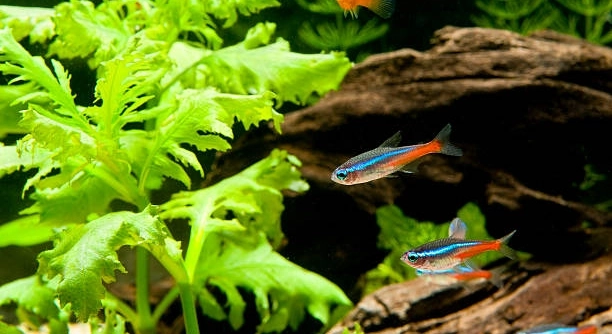
Are your tetras avoiding the water current in their tank? This behavior can be puzzling for many aquarium owners who expect their fish to swim actively in flowing water. Understanding why your tetras stay out of the current can improve their care.
Tetras may avoid the current due to stress, poor water quality, or unsuitable tank conditions. They often seek calmer areas to conserve energy, recover from illness, or escape excessive flow that disrupts their natural swimming patterns.
Recognizing these causes will help you create a better environment and encourage your tetras to swim comfortably throughout the tank.
Common Reasons Why Tetras Avoid the Current
Tetras often stay out of the current because they feel stressed or uncomfortable. Strong water flow can tire them out quickly, especially if the tank is too small or crowded. Sometimes, poor water quality makes them less active and causes them to hide in calmer areas. Temperature fluctuations or sudden changes in the tank environment also affect their behavior. In some cases, the species of tetra itself prefers slow-moving water. It’s important to observe your fish and their surroundings closely. A well-maintained tank with proper filtration and stable water parameters encourages natural swimming patterns. Adjusting the filter flow or rearranging decorations can create calm zones for your tetras to rest. Keep an eye on their overall health as well, since illness or injury might make them avoid the current. Understanding these factors can help you provide a better home for your tetras and see more natural activity from them.
Adjusting water flow and tank setup often improves tetra behavior by reducing stress and fatigue.
Tetras are small fish with delicate energy needs. When the current is too strong, they conserve energy by staying still in calmer parts of the tank. They naturally seek places where they feel safe and comfortable. Providing plants or decorations in slower areas helps them rest while still allowing free movement when they want to swim. Regular tank maintenance, including water changes and monitoring temperature, also plays a big role. Avoid sudden changes in water conditions to prevent stressing your tetras. By creating a balanced environment, you encourage your fish to explore the entire tank, including the current zones.
How to Create a Comfortable Environment for Your Tetras
Finding the right balance in water flow is key to helping tetras feel comfortable and active.
Start by checking your filter settings and adjusting the flow rate to a moderate level. You want the water to move but not be overwhelming for your fish. Adding live plants or decorations near the filter outlet can help break up the current and create calm pockets. Make sure the tank size fits the number of tetras you have, as overcrowding causes stress. Keep the water temperature stable between 72°F and 78°F, which suits most tetra species. Test water parameters regularly for ammonia, nitrites, and nitrates, as poor water quality weakens fish and affects their swimming behavior. Feeding a balanced diet with high-quality food also supports their health. With these changes, your tetras will feel secure and more likely to swim through the current instead of avoiding it. Monitoring your fish closely allows you to spot any issues early and maintain a healthy, active tank.
Signs Your Tetras Are Stressed
Stress in tetras often shows as hiding, clamped fins, or lethargy. They might stop eating or swim erratically. These behaviors indicate that something in their environment is causing discomfort or harm.
Stress can be triggered by poor water quality, sudden changes in temperature, overcrowding, or aggressive tank mates. If your tetras avoid the current and stay in quiet spots, it could mean they feel unsafe. Stress weakens their immune system and makes them vulnerable to disease. Keeping the tank clean and stable is essential. Regular water testing helps detect harmful chemicals early, and maintaining consistent temperature avoids sudden shocks. It’s also important to provide enough space and peaceful companions to reduce aggression and competition.
If stress is left unchecked, your tetras may develop health problems like fin rot or infections. Observing their behavior closely allows early action. Gradual improvements in water conditions and tank setup will help them recover and return to normal activity levels.
Adjusting Water Flow for Tetras
Tetras prefer gentle water flow that mimics their natural habitat. Too strong a current forces them to use extra energy just to stay in place.
Reducing filter output or diverting the flow can create calmer swimming areas. Placing plants or rocks near the filter’s exit breaks up the current, allowing your tetras to rest. Using a sponge or pre-filter can also diffuse strong water movement. A balanced flow keeps the tank clean without overwhelming the fish. Monitoring how your tetras respond after adjustments is important. If they begin exploring more and show active swimming, the flow is likely suitable. Adjusting water flow is a simple way to improve your tetras’ comfort and overall tank health.
Tank Size and Its Impact on Tetra Behavior
A tank that is too small can stress tetras and limit their swimming space. Crowding causes competition and reduces calm areas.
Providing enough room helps tetras move freely and find spots with comfortable current levels. Proper tank size supports healthier, more active fish.
Importance of Water Quality Maintenance
Keeping water clean and balanced is vital for tetra health. Regular water changes remove toxins that build up over time. Testing for ammonia, nitrites, and nitrates ensures safe conditions. Clean water reduces stress and encourages natural behavior, including swimming through the current. Neglecting water quality often leads to illness and lethargy, which can cause tetras to avoid stronger flows. Maintaining stable parameters creates a supportive environment where tetras feel secure and energetic.
Feeding and Tetra Activity
A well-balanced diet supports energy and activity levels. Proper nutrition helps tetras swim actively and respond to their environment.
FAQ
Why are my tetras hiding instead of swimming in the current?
Tetras hide when they feel stressed or unsafe. Strong water flow can overwhelm them, especially if the tank is small or crowded. They seek calm spots to conserve energy and feel secure. Poor water quality, temperature swings, or illness also cause hiding behavior. Creating calm areas and maintaining stable tank conditions helps them feel more comfortable.
Can strong water flow harm my tetras?
Yes, strong currents can tire tetras quickly since they are small and not built for powerful swimming. Constantly fighting the current uses up their energy and causes stress. This stress lowers their immune response, making them prone to illness. Adjusting the filter flow or adding plants near the outlet can reduce water speed and create gentle swimming zones.
How do I know if water quality is affecting my tetras?
Signs include lethargy, loss of appetite, gasping at the surface, or clamped fins. Poor water quality exposes fish to harmful toxins like ammonia and nitrites. Regular testing is essential to keep these chemicals at safe levels. Clear, odor-free water with stable temperature and pH supports healthy fish behavior, including normal swimming patterns.
What tank size is best for tetras?
A minimum of 20 gallons is recommended for a small school of tetras. More space reduces stress by providing room to swim and hide. Overcrowding increases competition and aggression, pushing fish to avoid currents and seek refuge. A larger tank also makes it easier to maintain stable water conditions.
Should I add plants or decorations to reduce current?
Yes, live plants and decorations break up strong water flow and create calm areas for resting. Plants also improve water quality by absorbing nitrates. Positioning them near the filter outlet slows water movement naturally. This setup encourages tetras to swim more comfortably throughout the tank.
How often should I change the water?
Perform partial water changes of 20-30% every one to two weeks. Regular water changes remove waste and toxins that stress fish. Avoid changing too much at once to prevent sudden parameter shifts. Keeping water fresh supports active, healthy tetras that swim freely even in current zones.
Can tank mates affect tetra behavior?
Yes, aggressive or larger tank mates can cause tetras to hide or avoid the current. Stress from bullying reduces their activity and weakens immune health. Choose peaceful companions that share similar water needs. A calm community tank helps tetras swim naturally and feel secure.
What temperature is ideal for tetras?
Most tetras thrive between 72°F and 78°F. Stable temperature within this range supports metabolism and reduces stress. Fluctuations or extremes make fish sluggish and cause them to avoid swimming in strong currents. Use a reliable heater and thermometer to maintain steady conditions.
Does feeding affect how much my tetras swim?
Proper nutrition provides energy for swimming and exploration. Underfeeding or poor diet results in low energy and inactivity. Feed small amounts twice daily with high-quality flakes or frozen foods. A balanced diet keeps tetras healthy and active, encouraging movement throughout the tank.
When should I worry about my tetras avoiding the current?
If avoidance continues for several days and is paired with other signs like lethargy, loss of appetite, or visible illness, it’s time to investigate. Check water parameters, tank setup, and fish health. Persistent issues often mean environmental or health problems that need prompt attention. Early action improves chances for recovery.
Final Thoughts
Understanding why your tetras stay out of the current is an important part of keeping them healthy and comfortable. Several factors can influence this behavior, such as water flow strength, tank size, water quality, and stress levels. Tetras are small fish that prefer gentle currents, so a strong or fast flow can easily tire them out. Providing areas of calm water by adjusting your filter or adding plants helps create a balanced environment. This allows your tetras to rest when needed and swim actively when they choose to.
Maintaining stable water conditions is also key to encouraging natural behavior in your tetras. Regular water testing and partial water changes keep toxins like ammonia and nitrites low, which reduces stress and improves fish health. Temperature consistency within the preferred range helps avoid shocks that can cause your fish to hide or become lethargic. Tank size matters as well; overcrowding causes tension and limits movement, which can make tetras avoid the current. By ensuring your tank is spacious enough and populated with peaceful tank mates, you create a safer, more comfortable home for your fish.
Taking care of your tetras means observing their behavior and making adjustments based on their needs. Small changes like reducing water flow, improving tank setup, or refining feeding routines can make a big difference in how active and happy your fish appear. Remember, tetras are sensitive to their environment, and when conditions are right, they will swim freely through the current and explore their tank. Paying attention to these details supports their long-term health and adds to the enjoyment of keeping a vibrant aquarium.

Hello,
If you enjoy the content that we create, please consider saying a "Thank You!" by leaving a tip.
Every little bit helps us continue crafting quality advice that supports the health, happiness, and well-being of pets around the world, for pets of all shapes, sizes, and species.
We really appreciate the kindness and support that you show us!