
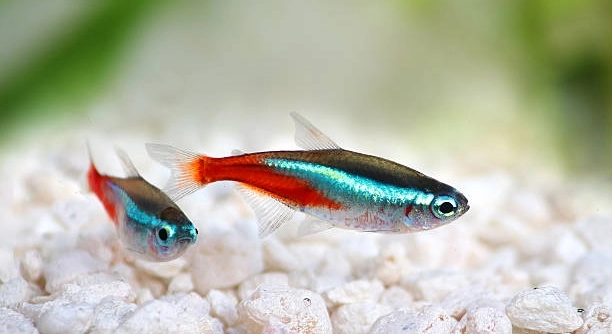
Are your tetra fish suddenly swimming apart instead of sticking close as a school? This change can be worrying, especially if you’ve always enjoyed watching them move together in harmony. It’s common for owners to notice this shift and wonder what’s going on.
Tetras may separate from their school due to stress, illness, poor water quality, or changes in their environment. These factors disrupt their natural behavior, causing them to isolate as a response to discomfort or danger.
Understanding these reasons will help you create a healthier space for your tetras and bring back their natural schooling behavior.
Stress and Its Effects on Tetra Behavior
Stress is a common reason why tetras start to separate from their school. Changes in their tank, like sudden temperature shifts or new decorations, can make them uneasy. Loud noises or too much movement around the tank can also disturb their peace. When stressed, tetras may swim alone or hide instead of joining their group. It’s important to keep their environment calm and stable. Regular water changes and maintaining the right temperature help reduce stress. Adding plants or places to hide can also make tetras feel safer. Watching how your fish behave can give you clues about their comfort level. If you notice signs of stress, adjusting the tank setup can bring them back together as a school.
Stress affects tetras by making them less social and more cautious, often causing them to isolate from the group.
Making small changes to their environment can greatly improve your tetras’ comfort and encourage them to swim together again.
Water Quality and Its Impact on Schooling
Poor water quality can make tetras separate because it directly affects their health. Ammonia, nitrite, and nitrate levels that are too high harm fish and cause discomfort. Dirty water can also lead to diseases that make fish weak or lethargic. Testing the water regularly and doing partial water changes are key steps in keeping it safe. Filters should be cleaned but not changed all at once, to preserve beneficial bacteria. Proper feeding habits help reduce waste in the tank, keeping the water cleaner for longer. When water conditions are good, tetras feel better and school naturally. If the water is left unclean, your fish may continue to act differently and avoid each other. A clean and stable tank is essential for healthy, happy tetras that stick together.
Illness and Its Influence on Tetra Schooling
When tetras get sick, they often separate from the school. Illness makes them weak and less interested in swimming with others. Signs include faded colors, clamped fins, and slow movements.
Sick fish isolate themselves because they feel vulnerable and need to conserve energy. Parasites, bacterial infections, and fungal diseases can cause these symptoms. It’s important to check your fish regularly for any unusual behavior or appearance. Early detection allows for faster treatment and better chances of recovery. Quarantining sick fish can prevent the spread of disease to healthy ones.
Treatment depends on the illness but may include medicated food or water treatments. Keeping the tank clean and stable helps prevent illness from developing in the first place. Healthy tetras are more likely to school and show their natural behavior.
Changes in Tank Environment
Adding new fish or rearranging decorations can disturb tetras and cause separation. They rely on familiar surroundings for comfort and may feel unsafe with sudden changes.
Introducing new tank mates too quickly can create competition or stress, causing tetras to avoid the group. Even changes in lighting or water flow affect their behavior. Gradual adjustments and careful introductions help maintain harmony in the tank. Giving tetras time to adapt reduces stress and encourages them to school again.
Stable environments help tetras feel secure and promote natural schooling patterns. Observing how they respond to changes can guide your care decisions.
Overcrowding and Space Issues
Too many tetras in a small tank can cause them to separate. Crowding increases stress and competition for space.
Providing enough room allows tetras to swim freely and school naturally. A spacious tank reduces tension and promotes healthy behavior.
Lighting and Its Effects on Tetras
Lighting affects how comfortable tetras feel in their environment. Too bright or inconsistent lighting can stress them out.
Tetras prefer dim or moderate lighting, which mimics their natural habitat. Using a timer for consistent light cycles helps keep their behavior normal. Proper lighting supports their natural rhythm and encourages schooling.
Diet and Its Role in Behavior
A poor diet can make tetras less active and less likely to school. Feeding high-quality food in proper amounts keeps them healthy and energetic.
Why are my tetras separating from the school?
Tetras often separate when they feel stressed, sick, or uncomfortable in their environment. Changes like poor water quality, illness, or sudden tank rearrangements can cause them to swim alone. These factors disrupt their natural behavior, making them avoid the group for safety or recovery.
How can I reduce stress for my tetras?
Keeping the tank stable and calm is key. Avoid sudden changes in temperature or decorations. Limit loud noises and fast movements around the tank. Providing hiding spots like plants or caves helps tetras feel safe. Regular water testing and proper feeding also reduce stress.
What water conditions do tetras need to school properly?
Tetras need clean water with low ammonia, nitrites, and nitrates. The temperature should be stable, usually between 72°F and 80°F (22°C-27°C). Regular partial water changes and a good filter system keep water quality high. Clean water supports their health and natural schooling.
Can illness cause tetras to separate?
Yes, illness is a common reason for separation. Sick tetras often lose energy and color, swim slower, or hide alone. Parasites, bacteria, or fungal infections can cause these symptoms. Early treatment and quarantining sick fish help prevent disease spread.
How do I introduce new fish without causing stress?
Add new fish slowly and carefully. Quarantine them for a week before introduction. Rearrange decorations gradually and keep lighting consistent. Watch your tetras closely for any signs of aggression or stress after adding new fish.
Does tank size affect schooling behavior?
Yes, overcrowded tanks increase stress and reduce schooling. Tetras need enough space to swim freely. A larger tank gives them room to group naturally and avoid competition. Aim for at least 10 gallons for a small school, adding more space as your group grows.
What role does lighting play in tetra behavior?
Lighting that is too bright or inconsistent can stress tetras. They prefer dim or moderate light that mimics their natural environment. Using a timer for regular light cycles helps maintain their internal rhythm and encourages schooling.
How important is diet for schooling behavior?
A good diet keeps tetras healthy and active, which supports schooling. Feed high-quality flakes, pellets, and occasional live or frozen food. Avoid overfeeding to prevent water pollution. Proper nutrition boosts energy levels and social behavior.
Can rearranging tank decorations cause my tetras to separate?
Yes, sudden changes in tank layout can confuse and stress tetras. They rely on familiar surroundings to feel safe. Move decorations slowly and give your fish time to adjust. Stable environments promote natural schooling patterns.
How often should I test my tank water?
Testing water weekly is a good practice. Regular checks help catch harmful spikes in ammonia, nitrites, or nitrates early. This prevents stress and illness that can cause schooling issues. Use reliable test kits and keep records to monitor trends.
What signs indicate my tetras are stressed?
Signs include hiding more, swimming erratically, loss of color, or separating from the group. Clamped fins and loss of appetite are also common. Watching your fish’s normal behavior helps you spot stress early.
Is it normal for tetras to sometimes swim alone?
Yes, occasional solo swimming can happen, especially when resting or exploring. However, if separation becomes frequent or prolonged, it usually points to a problem like stress or illness. Keeping conditions stable encourages regular schooling.
How can I encourage my tetras to school again?
Start by improving water quality and maintaining stable tank conditions. Reduce stress by limiting sudden changes and providing hiding spots. Ensure a proper diet and give them enough space. Gradual positive changes help tetras return to schooling behavior.
Can temperature fluctuations cause tetras to separate?
Yes, sudden or large temperature changes stress tetras and affect their behavior. Keep the tank temperature steady within their preferred range using a reliable heater and thermometer. Stable temperatures promote health and social activity.
Should I remove sick tetras from the main tank?
Removing sick fish is often necessary to prevent disease spread and help them recover. Use a separate quarantine tank with proper treatment. Once healthy, reintroduce them carefully to avoid stressing the main group.
When tetras start to separate from their school, it usually means something in their environment isn’t quite right. They are natural schooling fish, so when they swim alone or stay apart, it’s a clear sign that they might be stressed, sick, or uncomfortable. Paying attention to their behavior helps you understand what they need. Simple things like keeping the water clean, stable, and at the right temperature can make a big difference. Making sure they have enough space and hiding spots also helps them feel safe and secure. These small changes often bring your tetras back to their natural group swimming.
Taking care of water quality is one of the most important parts of keeping tetras healthy. Regular water testing and partial water changes keep harmful chemicals low and the environment safe for your fish. Overcrowding or sudden changes in the tank can cause tension and lead to separation. It’s better to make any changes slowly and carefully. If a fish shows signs of illness or stress, addressing the problem early helps prevent it from affecting the whole school. Quarantining sick fish and treating them properly can stop diseases from spreading and help your tetras get back to normal behavior.
Remember that tetras are sensitive creatures that respond to their surroundings. Lighting, diet, and the presence of other fish all affect their schooling habits. Providing a stable, calm, and comfortable tank encourages your tetras to swim together naturally. Watching your fish regularly gives you a chance to spot any problems before they get serious. When you create the right conditions, your tetras will feel secure and happy, and their schooling behavior will return. Taking these steps makes your aquarium a better place for both you and your fish.

Hello,
If you enjoy the content that we create, please consider saying a "Thank You!" by leaving a tip.
Every little bit helps us continue crafting quality advice that supports the health, happiness, and well-being of pets around the world, for pets of all shapes, sizes, and species.
We really appreciate the kindness and support that you show us!