
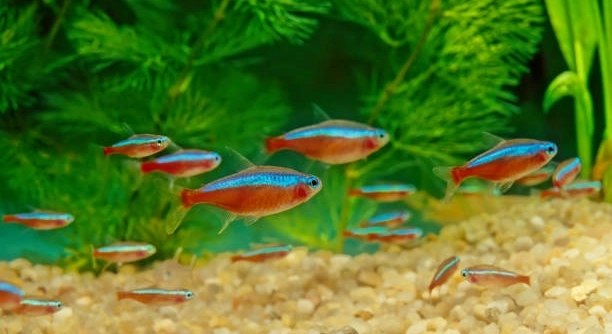
Many aquarium owners notice their tetra fish are only active during the night or in dim lighting. This behavior often surprises those who expect their fish to be lively throughout the day. Understanding this pattern can improve how you care for your tank.
Tetras are naturally crepuscular, meaning they are most active at dawn and dusk or under low light conditions. Their activity after dark is linked to instincts for feeding and avoiding predators, which helps them thrive in their natural habitats.
Learning why your tetras prefer the night can help you create a better environment for them. This knowledge supports healthier and happier fish in your aquarium.
Understanding Tetra Behavior Patterns
Tetras are small, schooling fish that come from rivers and streams with plenty of plants and shaded areas. Their natural environment is often dim, so they have adapted to be more active when the light is low. During the day, tetras tend to hide among plants or decorations to avoid predators. This instinct helps them feel safe. At night or in low light, they become more active because it is easier for them to find food and swim freely without feeling threatened. This behavior is normal and healthy for tetras. If you notice your tetras only swimming around after dark, it’s not a sign of illness but a natural pattern. Adjusting your tank’s lighting to mimic their natural habitat can encourage more activity during the day. Creating shaded areas or gentle lighting helps reduce stress and allows tetras to follow their usual rhythms comfortably.
The way you set up your aquarium lighting plays a big role in your tetras’ activity levels. They prefer softer, indirect light rather than bright, harsh lighting.
Providing the right environment supports your tetras’ health. It also allows you to enjoy watching their natural behavior at different times.
Tank Lighting and Its Effects
Tetras respond best to lighting that mimics their natural habitat. Bright, direct light can stress them and make them hide more often. Using dim or adjustable lighting can encourage more activity throughout the day. A timer for the aquarium light helps keep a consistent day-night cycle, which is important for the fish’s well-being. Too much light can lead to lethargy or stress, while too little may reduce their appetite and energy. Plants and decorations also affect how much light reaches the fish and provide places for them to rest. Observing how your tetras react to different lighting setups can guide you in creating the best environment. Proper lighting creates a balance where tetras feel safe and active, improving their overall health and making your aquarium more enjoyable to watch.
Feeding Habits and Activity
Tetras are more active at night because that is when they naturally search for food. Their feeding habits follow their activity patterns.
In their natural habitats, tetras often feed on small insects and plankton that are easier to find in low light. During the day, they stay hidden to avoid predators, conserving energy. At night, they swim more freely and actively hunt for food. If you feed them only during the day, they might seem less interested or inactive. Offering food during dusk or dim lighting can encourage their natural feeding behavior and increase their activity. Understanding their feeding habits helps you create a schedule that matches their needs and keeps them healthy.
Providing live or frozen foods similar to what tetras eat in nature can also boost their activity. Varied diets keep them interested and energetic. Watching them feed in low light can be rewarding and reveal their true personality.
Creating a Comfortable Environment
Tetras need hiding spots and shaded areas to feel safe and reduce stress. Plants, rocks, and decorations help create a comfortable environment.
A tank with plenty of cover allows tetras to rest during the day and feel secure. Open areas with softer light encourage movement and exploration. Without enough hiding spots, tetras may hide all the time, making them seem inactive. Balancing light and shelter supports their natural rhythms and improves well-being. When the tank environment mimics their natural habitat, tetras show healthier behavior and increased activity at expected times. Observing how they use different parts of the tank can guide you in arranging their space better.
Water Temperature and Activity
Tetras are sensitive to water temperature, which affects their energy levels. Cooler water can make them less active during the day.
Maintaining a stable temperature between 72°F and 78°F helps keep tetras lively and comfortable. Sudden changes can cause stress, reducing daytime activity.
Tank Mates and Behavior
The presence of other fish can influence how active tetras are. Aggressive tank mates may cause tetras to hide more often, especially during the day. Peaceful companions encourage schooling and natural movement, which can increase daytime activity. Choosing compatible fish helps create a balanced environment where tetras feel safe and confident.
Light Adjustment Tips
Using a dimmable or adjustable aquarium light can help balance your tetras’ activity patterns. Gradually changing light levels simulates natural dawn and dusk, encouraging movement throughout the day.
FAQ
Why are my tetras only active at night?
Tetras are naturally crepuscular, meaning they are most active during low light periods like dawn and dusk. Their behavior in the wild helps them avoid predators and find food more safely. In home aquariums, this instinct remains, so they tend to swim and feed more actively when the lights are dim or off.
Can I encourage my tetras to be more active during the day?
Yes, you can adjust the tank environment to support daytime activity. Using softer lighting, adding plenty of plants and hiding spots, and feeding them during the day can help. Avoid bright, harsh lights as they make tetras feel unsafe and encourage hiding. A consistent light schedule that mimics natural day and night cycles also promotes healthy activity patterns.
Is it normal for tetras to hide most of the day?
Yes, hiding during the day is typical for many tetra species. It’s a natural survival behavior to stay safe from predators. Providing plants and decorations allows them places to rest without stress. As long as they are eating well and active during low light, this behavior is not a concern.
What is the best lighting setup for a tetra tank?
A lighting setup that mimics their natural habitat works best. Use dimmable or adjustable LED lights to create gentle dawn and dusk effects. Avoid overly bright lights and consider adding floating plants to diffuse light. Using a timer to keep a regular light cycle helps maintain their health and natural rhythms.
Do tetras need live plants in their tank?
Live plants are not required but highly beneficial. They provide hiding spots, help control water quality, and create natural shade. This makes tetras feel secure and reduces stress, encouraging natural behavior. If live plants are not an option, silk or plastic plants can also provide cover.
How often should I feed my tetras?
Feed tetras once or twice a day with small portions they can eat in a few minutes. Offering food during low light periods aligns with their natural feeding habits. Variety in diet, including flakes, frozen, or live foods, keeps them interested and healthy.
Can stress affect my tetras’ activity levels?
Yes, stress from poor water quality, aggressive tank mates, or improper lighting can cause tetras to hide more and become inactive. Maintaining clean water, compatible fish, and a proper environment helps reduce stress and keeps them lively.
Why do my tetras sometimes hide even at night?
Hiding at night can happen if they feel unsafe due to sudden noises, water changes, or aggressive fish. It can also be a sign of illness or poor water conditions. Observing their behavior closely and checking tank parameters will help identify the cause.
Is it okay if tetras are not active during the day but eat well?
Yes, as long as they eat well and swim actively during dusk or night, it is normal. Their natural pattern is to conserve energy by resting during the day. Focus on creating an environment that respects these natural cycles.
Should I adjust feeding if my tetras are mostly active after dark?
Feeding them during the evening or low light times matches their activity better. This encourages them to eat well and stay healthy. Avoid overfeeding to prevent water quality issues. Monitoring their response to feeding times helps find the best schedule.
Many people who keep tetras notice that these fish tend to be more active at night or in dim lighting. This is a natural behavior for tetras, as they come from environments where low light is common. Their activity after dark helps them avoid predators and find food more safely. Understanding this behavior is important for anyone who wants to keep tetras healthy and happy in an aquarium. Instead of worrying that your fish are lazy or sick, it helps to know that they are simply following their natural instincts.
Creating a comfortable environment for your tetras can make a big difference in their activity levels and overall well-being. This means providing the right lighting, plenty of hiding spots, and stable water conditions. Soft or adjustable lighting that mimics dawn and dusk encourages tetras to swim and feed during the day as well as at night. Having plants, rocks, or decorations gives them places to feel safe and rest when they want to hide. Keeping the water temperature steady and making sure tank mates are peaceful will also help your tetras feel secure. When the environment matches what tetras need, they show healthier and more natural behaviors.
Feeding your tetras at the right times can support their activity too. Because they are more active in low light, offering food during dusk or nighttime fits their natural habits. A varied diet of flakes, frozen, or live food keeps them interested and energetic. It’s also important not to overfeed, which can harm water quality and stress your fish. Watching your tetras closely and adjusting their care based on how they behave will help you provide the best environment. With a little attention to their natural rhythms and needs, your tetras will thrive and bring more enjoyment to your aquarium.

Hello,
If you enjoy the content that we create, please consider saying a "Thank You!" by leaving a tip.
Every little bit helps us continue crafting quality advice that supports the health, happiness, and well-being of pets around the world, for pets of all shapes, sizes, and species.
We really appreciate the kindness and support that you show us!