
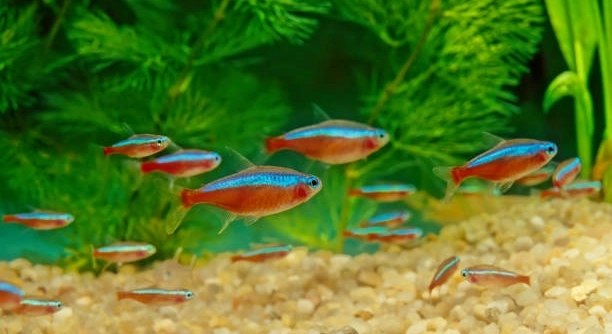
Are your tetras not showing their full colors like you expected? Many fish owners notice their tetra’s colors look dull or faded after bringing them home. This can be frustrating when you want a bright, lively aquarium.
The most common reasons for tetras not displaying full colors include poor water quality, inadequate diet, stress, or insufficient lighting. Addressing these factors helps restore their natural coloration and promotes overall fish health.
Understanding these causes will help you create a better environment for your tetras. Small changes can make a big difference in bringing back their vibrant colors.
Water Quality and Its Impact on Tetra Colors
Poor water quality is one of the main reasons tetras lose their vibrant colors. When ammonia, nitrites, or nitrates build up, fish become stressed and their colors fade. Regular water changes and proper filtration help keep the tank environment healthy. Testing water parameters weekly ensures that levels stay safe. Temperature fluctuations can also cause stress, so maintaining a stable temperature suitable for tetras is important. Clean water supports their immune system and natural coloration. Additionally, avoid overcrowding the tank, as it can reduce water quality quickly. A well-maintained tank creates a comfortable home where tetras can display their best colors. Even small improvements in water conditions can result in noticeable color changes over time.
Keeping the water clean is simple with a schedule for testing and changes. This consistency helps tetras stay healthy and colorful in the long run.
By focusing on water quality, you can prevent many common health problems. Tetras thrive in clean, stable water, making this one of the easiest ways to boost their colors and keep them happy.
Diet and Lighting Effects on Tetra Color
Proper diet plays a key role in tetra coloration. Feeding a balanced diet rich in carotenoids and vitamins enhances their natural hues. High-quality flakes, pellets, and occasional live or frozen foods like brine shrimp or daphnia provide essential nutrients. Avoid overfeeding, as this can lead to poor water quality and stress. Lighting also influences how colors appear. Tetras need moderate to bright lighting to show their colors fully, but too much light can cause stress or algae growth. Using a light designed for freshwater aquariums helps create the right balance. Together, diet and lighting create conditions where tetras can shine with their brightest colors.
Stress and Its Effect on Tetra Colors
Stress can cause tetras to lose their bright colors quickly. Common stress factors include overcrowding, sudden changes in water conditions, or aggressive tank mates. Reducing stress improves their overall health and color.
Fish stressed by poor tank conditions often hide and eat less. Overcrowding limits swimming space, increasing aggression and tension. Sudden changes in water temperature or chemistry shock tetras, dulling their colors as a defense. Aggressive tank mates can intimidate tetras, causing constant stress. It’s important to keep the tank peaceful with compatible species and stable conditions. Providing plenty of hiding spots helps reduce stress and allows tetras to relax. When stress is minimized, colors gradually return as fish regain their well-being.
Keeping stress low means paying close attention to tank mates and environment stability. This creates a calm setting where tetras can display their natural brilliance and thrive.
Tank Setup and Maintenance
Proper tank setup is essential for showing full tetra colors. A clean, well-filtered tank with suitable lighting and enough space helps fish feel comfortable and look their best. Regular maintenance supports water quality and health.
Setting up the tank means choosing the right size—tetras need room to swim freely. A minimum of 20 gallons is recommended for a small group. The filter should keep the water clear without creating strong currents. Substrate and decorations that mimic their natural habitat provide shelter and reduce stress. Regular partial water changes keep harmful chemicals low and maintain clarity. Consistent lighting helps colors pop, but avoid leaving lights on too long to prevent algae growth. Monitoring and adjusting tank conditions regularly supports healthy, colorful tetras over time.
Common Health Issues Affecting Tetra Colors
Illness can cause tetras to lose their bright colors quickly. Parasites, bacterial infections, or fungal diseases often lead to dull or faded appearance. Early detection and treatment are crucial.
Sick fish may show other signs like lethargy, loss of appetite, or clamped fins. Quarantining new fish and maintaining good water quality help prevent disease outbreaks. Treating health issues promptly supports color recovery and overall wellbeing.
The Role of Genetics in Tetra Color
Genetics play a big role in how bright a tetra’s colors can get. Some species and strains naturally have more vivid colors than others. This means that even in perfect conditions, color intensity varies among individual fish.
Breeders select for brighter colors, but wild-type tetras tend to have softer hues. Knowing your tetra’s species helps set realistic expectations for color display.
Environmental Enrichment and Color Display
Adding plants and decorations to the tank helps reduce stress and encourages natural behavior. A stimulating environment can enhance tetra colors over time.
FAQ
Why are my tetras’ colors fading even though the water looks clean?
Even if the water appears clear, harmful chemicals like ammonia, nitrites, or nitrates may still be present. These invisible toxins cause stress and dull colors. Regular water testing is essential to ensure parameters are safe. Also, frequent small water changes help maintain a stable environment that supports vibrant coloration.
How often should I feed my tetras to keep their colors bright?
Feeding tetras once or twice a day with high-quality, varied food is best. Overfeeding can pollute the water and harm fish health, leading to faded colors. Offering a mix of flakes, pellets, and occasional live or frozen foods rich in carotenoids enhances natural pigmentation without compromising water quality.
Can stress from tank mates cause my tetras to lose color?
Yes, aggressive or overly active tank mates can stress tetras, causing their colors to fade. Tetras are peaceful fish that do best with other calm species. Make sure the tank is not overcrowded and provide hiding places so tetras can retreat when needed. Reducing stress lets their colors come back naturally.
Is lighting important for tetra coloration?
Lighting greatly affects how tetras display their colors. Moderate to bright lighting helps show off their hues, but too much light can cause stress or algae growth. Use a timer to give them 8–10 hours of light daily, and choose aquarium lights designed for freshwater fish to balance brightness and comfort.
Can poor diet be the reason for dull tetra colors?
Absolutely. A poor diet lacking essential nutrients weakens tetras and dulls their colors. Foods rich in carotenoids, like certain flakes or live foods, boost pigmentation. Variety is key—rotating different food types ensures they get all necessary vitamins and minerals to maintain their natural brilliance.
Will new tetras lose color when first introduced to the tank?
Yes, it’s common for new tetras to look dull at first. The stress of moving and adjusting to a new environment can temporarily fade colors. With stable water conditions, good diet, and low stress, their colors usually return within a week or two. Patience is important during this adjustment period.
How can I tell if my tetra is sick and that’s why its colors are fading?
Besides faded colors, look for signs like lethargy, loss of appetite, rapid breathing, or clamped fins. White spots, redness, or abnormal behavior also indicate illness. Early treatment improves recovery chances and helps colors return. Quarantine new fish and keep the tank clean to avoid disease.
Does tank size affect tetra coloration?
Tank size affects stress levels, which in turn affect coloration. Small tanks can become overcrowded quickly, stressing fish and dulling colors. A minimum of 20 gallons for a small group provides enough space for swimming and hiding. More room means happier, healthier fish with better color display.
How often should I change the water to keep colors bright?
Changing 20-30% of the water every one to two weeks keeps the environment clean without stressing fish. Frequent partial changes help remove toxins and refresh minerals that support fish health and coloration. Avoid large water changes that can shock tetras and cause stress-related color loss.
Can genetics limit how bright my tetra’s colors can get?
Yes, genetics set the baseline for how vivid a tetra’s colors can be. Some species or strains naturally have softer or brighter colors. Even with perfect care, colors vary among individuals. Understanding your tetra’s species helps set realistic expectations and avoid disappointment.
When tetras don’t show their full colors, it can be frustrating, but there are many simple reasons behind it. Often, issues like water quality, diet, and stress play a big role. Taking time to check the tank’s conditions regularly is important. Keeping the water clean and stable helps fish feel safe and healthy. When tetras are comfortable, their natural colors are more likely to shine. It’s also important to feed them well. A balanced diet with nutrients that support color can make a noticeable difference. Paying attention to lighting and the tank setup also creates a better environment for the fish to thrive.
Stress is a common reason tetras lose their colors. It can come from many sources, such as too many fish in the tank, aggressive tank mates, or sudden changes in water conditions. Stress affects fish health and makes them less colorful. Providing plenty of hiding spots and choosing peaceful tank mates helps reduce stress. Keeping the tank environment calm allows tetras to regain their bright colors over time. Patience is key because it may take days or weeks for the colors to come back fully once the causes are addressed.
Finally, it is important to remember that genetics also influence how bright a tetra’s colors can be. Some tetras are naturally more vibrant, while others have softer colors. Even the best care can’t change this. Knowing what to expect based on your tetra’s species helps avoid disappointment. Combining good care with realistic expectations will make keeping tetras more rewarding. By focusing on water quality, diet, stress reduction, and proper tank setup, you can help your tetras look their best and enjoy a healthy life.

Hello,
If you enjoy the content that we create, please consider saying a "Thank You!" by leaving a tip.
Every little bit helps us continue crafting quality advice that supports the health, happiness, and well-being of pets around the world, for pets of all shapes, sizes, and species.
We really appreciate the kindness and support that you show us!