
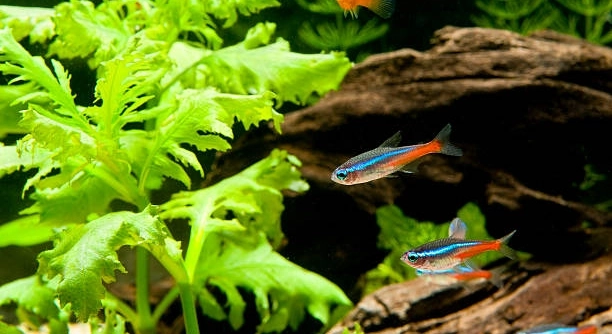
Many aquarium owners notice their tetra fish lying sideways when resting and wonder what it means. This behavior can seem unusual and sometimes concerning. Understanding why tetras rest this way helps improve their care and comfort in the tank.
Tetras lying sideways when resting often indicates normal behavior related to their natural rest patterns. However, it can also signal stress, illness, or water quality issues. Monitoring their environment and health is essential to determine the cause.
Recognizing these signs will help maintain a healthy aquarium and ensure your tetras feel safe and comfortable in their home.
Understanding Tetras’ Resting Behavior
Tetras often lie sideways when resting as part of their natural behavior. In the wild, these fish find quiet spots where they can reduce movement and conserve energy. Lying sideways allows them to stay low and hidden from predators. In aquariums, the same instinct remains, even though the environment is safer. However, this resting position can also be a sign that the tetra feels comfortable and relaxed. It is important to observe if the fish returns to normal swimming afterward. If it does, this sideways resting is likely harmless. If the behavior persists or is accompanied by other symptoms such as clamped fins, loss of appetite, or unusual swimming, it might indicate stress or illness. Consistent monitoring and maintaining proper tank conditions support healthy behavior and reduce risks of health issues.
Sideways resting is often normal but should be observed closely alongside other behaviors to ensure fish wellbeing.
Careful attention to your tetra’s overall health will help you distinguish between resting and signs of distress.
Causes of Abnormal Sideways Resting
Abnormal sideways resting may result from poor water quality or disease. Poor tank conditions cause stress that affects fish behavior.
Poor water quality, including incorrect pH levels, ammonia, nitrite, or nitrate buildup, stresses tetras and can lead to unusual resting positions. Diseases such as swim bladder disorder also cause fish to float or lie sideways uncontrollably. Swim bladder problems affect buoyancy, making it difficult for the fish to swim normally. Infection or injury may also cause this behavior. Overfeeding can contribute by causing digestive issues that impact the swim bladder. Regular water testing and maintenance reduce risks of stress and illness. Quarantining new fish before adding them helps prevent disease spread. If symptoms persist despite proper care, consulting a veterinarian or experienced aquarist is recommended. Early detection and treatment improve recovery chances and help maintain a balanced aquarium environment.
Maintaining clean water and monitoring feeding habits are key to preventing abnormal resting behaviors in tetras.
Tank Environment and Its Impact
Poor tank conditions often cause tetras to lie sideways when resting. Factors such as water temperature, pH, and cleanliness directly affect their health.
Water that is too warm or too cold can stress tetras, making them less active and prone to unusual resting. Incorrect pH levels disrupt their internal balance and cause discomfort. Dirty water with high levels of ammonia or nitrites poisons fish and weakens their immune system. Even crowded tanks limit swimming space, increasing stress. Keeping the tank clean, monitoring water parameters regularly, and ensuring adequate space are essential. Proper filtration and routine partial water changes help maintain a stable environment that supports healthy behavior and prevents stress-induced sideways resting.
Monitoring tank conditions regularly reduces stress and promotes natural resting behavior in tetras.
Signs of Illness in Tetras
Tetras lying sideways consistently may show symptoms of illness such as lethargy, clamped fins, or loss of appetite.
Diseases affecting tetras often impact their swim bladder or internal organs, resulting in poor buoyancy control. Bacterial infections, parasites, or fungal issues also cause unusual behavior. Observing additional signs like discoloration, rapid gill movement, or sores is important. Prompt action by isolating sick fish and treating with appropriate medications can prevent the problem from worsening. Maintaining good water quality and avoiding sudden changes in the tank environment lowers the risk of illness. Early diagnosis and treatment improve recovery chances and help keep the entire aquarium healthy.
Being aware of illness signs ensures timely care and a safer environment for your tetras.
Feeding Habits and Sideways Resting
Overfeeding can lead to digestive problems in tetras, causing them to lie sideways. Uneaten food also degrades water quality, increasing stress.
Feeding small amounts at regular intervals helps prevent swim bladder issues and maintains water cleanliness. A balanced diet supports overall health and natural behavior.
How to Improve Your Tetra’s Health
Maintaining a clean tank with stable water parameters is essential. Regular water changes and proper filtration reduce harmful toxins. Avoid overfeeding by providing measured portions of high-quality food. Observe your tetras daily for any unusual signs. If problems persist, consult a veterinarian or aquarist for advice and treatment options.
When to Seek Professional Help
If sideways resting is frequent and accompanied by other symptoms, professional advice is necessary. Early intervention prevents serious health issues and improves recovery chances.
FAQ
Why is my tetra lying sideways but still eating?
A tetra lying sideways while resting but still eating usually shows normal behavior. They may be resting or conserving energy. However, if the behavior becomes frequent or is paired with signs like slow swimming or clamped fins, it could suggest mild stress or an early health issue. Make sure the tank water is clean and parameters are stable to support recovery and comfort.
Can swim bladder disease cause sideways resting?
Yes, swim bladder disease often causes tetras to float or lie sideways because it affects their ability to control buoyancy. This condition can result from overfeeding, infection, injury, or poor water quality. Treatment involves improving water conditions, adjusting feeding routines, and sometimes medication. Early detection improves outcomes.
How often should I test my aquarium water?
Testing water weekly is recommended to ensure safe ammonia, nitrite, nitrate, and pH levels. Regular testing helps detect problems early, preventing stress and illness in tetras. Maintaining stable parameters is key to avoiding abnormal behaviors like sideways resting.
Is it normal for tetras to rest lying sideways?
It can be normal if the fish returns to swimming upright afterward and shows no other symptoms. This resting posture mimics natural hiding behavior. Consistent sideways resting with other changes in behavior may indicate a problem.
What water temperature is best for tetras?
Tetras thrive in water between 72°F and 80°F (22°C to 27°C). Temperatures outside this range cause stress and may lead to abnormal behavior. Using a reliable heater and thermometer keeps the environment stable.
How can I prevent diseases that cause sideways resting?
Maintaining clean water, proper filtration, and a balanced diet reduces disease risk. Quarantining new fish before introducing them to the main tank also helps. Avoid overcrowding and sudden changes in water conditions to keep tetras healthy.
What foods are best for tetras?
High-quality flake food, supplemented with frozen or live foods like brine shrimp or daphnia, supports good health. Avoid overfeeding to prevent digestive issues that could lead to swim bladder problems.
When should I isolate a sick tetra?
Isolate a tetra showing persistent sideways resting along with other signs like loss of appetite or visible sores. This prevents disease spread and allows targeted treatment.
Can stress cause a tetra to lie sideways?
Yes, stress from poor water quality, overcrowding, or aggressive tank mates often causes unusual resting postures. Improving the environment and reducing stress factors usually helps.
Are all tetras prone to lying sideways?
While many tetra species occasionally rest sideways, some are more sensitive to stress and illness. Knowing your specific tetra species’ behavior helps in identifying normal versus problematic signs.
What are early signs of illness in tetras?
Early signs include lethargy, loss of appetite, clamped fins, rapid breathing, and color fading. Sideways resting can be an additional symptom. Acting quickly improves recovery chances.
Can changes in lighting affect tetra behavior?
Sudden changes in lighting can stress tetras, causing them to rest abnormally. Gradually adjusting light intensity and maintaining a consistent day-night cycle supports natural activity.
How long does it take for a sick tetra to recover?
Recovery time varies by illness and treatment but often takes several days to a few weeks. Proper care, stable water, and medication are essential for healing.
Is it necessary to treat every case of sideways resting?
Not every case requires treatment. If the behavior is occasional and the fish appears healthy otherwise, it’s usually normal. Persistent behavior with other symptoms needs attention.
What role does tank size play in tetra health?
Smaller tanks can cause stress due to limited space and unstable water parameters. Providing an adequately sized tank reduces stress and promotes healthy behavior.
How can I encourage healthy resting behavior in tetras?
Keep water clean and stable, feed appropriate amounts, and provide hiding places. A calm environment encourages natural resting postures without signs of distress.
These FAQs cover common concerns related to tetras lying sideways. Understanding these points helps maintain a healthy tank and ensures your fish are comfortable and thriving.
Final thoughts on tetras lying sideways when resting focus on understanding their behavior and providing the best care. This resting position can be normal for tetras, as they naturally find quiet spots to conserve energy. When lying sideways occasionally without other symptoms, it often means the fish is comfortable and relaxed. However, consistent sideways resting or accompanying signs like loss of appetite, clamped fins, or unusual swimming may indicate stress or health issues. Monitoring your fish’s behavior closely is important to recognize any changes early.
Maintaining good tank conditions plays a major role in preventing problems that cause tetras to lie sideways. Clean water, proper filtration, and stable water parameters reduce stress and illness risks. Overfeeding and overcrowding can also lead to digestive and swim bladder problems, which affect how your tetra rests. Feeding small, balanced meals and giving your fish enough space supports their health and natural behavior. Regular water testing and routine maintenance are simple steps that make a big difference in keeping tetras healthy.
If you notice persistent sideways resting or other signs of illness, seeking professional advice is recommended. Early treatment improves recovery chances and protects the entire aquarium. Understanding your tetra’s needs and behaviors helps create a safe environment where they can thrive. Paying attention to small details in their care ensures your fish stay happy and healthy over time. Taking these steps will make your experience as a tetra owner more rewarding and enjoyable.

Hello,
If you enjoy the content that we create, please consider saying a "Thank You!" by leaving a tip.
Every little bit helps us continue crafting quality advice that supports the health, happiness, and well-being of pets around the world, for pets of all shapes, sizes, and species.
We really appreciate the kindness and support that you show us!