
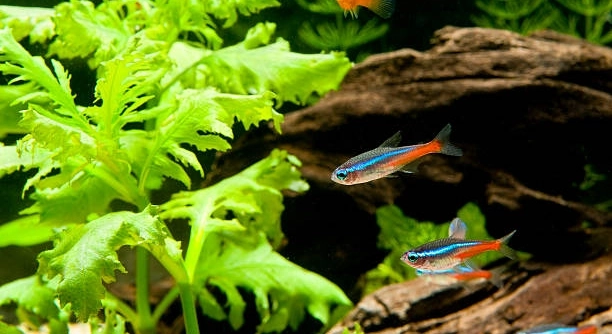
Are your tetras looking dull or not as vibrant as they used to be? This change in color can be concerning for any fish keeper.
The most common reason your tetras are losing their color is due to stress, often caused by poor water quality, inadequate diet, or environmental changes. Addressing these factors promptly can help restore their natural vibrancy.
Understanding what’s behind the color loss will help you make simple changes that can improve your tetras’ health and appearance.
Common Reasons Tetras Lose Their Color
Tetras can lose their color for several reasons, and it often means something in their environment isn’t right. Poor water quality is one of the main issues. Dirty tanks with high ammonia or nitrate levels can stress your fish and lead to fading. Temperature fluctuations and overcrowding also make tetras uncomfortable. Inconsistent lighting and lack of hiding spaces can affect their sense of safety. Diet plays a big role too—if they aren’t getting enough nutrients, their bodies won’t show bright colors. Illness and parasites may also be to blame, especially if other symptoms show up. Keep an eye on sudden color loss, especially if it’s affecting multiple fish. It’s also possible your tetras are simply adjusting to a new tank, but if the dull color sticks around, it’s time to take a closer look at their setup. Making a few changes can help get things back to normal.
Stress is the most common reason tetras lose color. It weakens their immune system and causes their natural hues to fade quickly.
Even a small shift in their environment can affect their health. Catching these signs early allows you to make gentle corrections before the problem gets worse.
7 Quick Fixes to Help Your Tetras
Keep your tank clean and stable. Do regular water changes, test the water weekly, and avoid adding too many fish at once.
Start by checking the water temperature and pH. Tetras do best in slightly acidic water with a stable temperature around 75°F to 80°F. Fluctuations can quickly lead to stress. Make sure the tank isn’t near windows or heaters, and use a reliable aquarium heater with a thermostat. Provide a balanced diet that includes flakes, freeze-dried, and live foods like brine shrimp. Variety helps bring out their color and supports health. Add live plants and shaded spots so they can feel secure. A dimmer light or floating plants can help nervous tetras feel more at ease. Avoid tapping the tank or sudden movements nearby. Consider using a background on your tank to reduce outside distractions. If one fish looks sick, move it to a separate tank. Finally, give them time—some tetras need a few days or weeks to fully settle and show their best color.
Signs Your Tetra Is Stressed or Unwell
Faded color is often the first sign that something’s off. Other signs can include sluggish swimming, hiding more than usual, loss of appetite, or clamped fins. These changes usually mean your tetra isn’t feeling well or is under stress.
If your tetra is acting differently, try not to ignore it. Swimming near the surface, darting around, or hovering in one spot too long can mean trouble. Watch for signs of illness like white spots, bloating, or torn fins. Check the water parameters right away—most issues start there. Low oxygen, poor filtration, or even a new decoration can create stress. If only one fish is affected, it could be something internal. If several are showing signs, it’s likely an environmental issue. Either way, small changes now can prevent bigger problems later. Observing their normal behavior helps you spot trouble faster when something feels off.
Sometimes the stress is temporary, especially after a recent tank cleaning, rearranging decorations, or introducing new tank mates. Tetras are sensitive and notice even minor changes. If their color returns within a day or two and they’re acting normal, it usually means they’ve adjusted. But if symptoms continue or get worse, further steps may be needed.
How to Support Recovery and Color Restoration
It’s important to give your tetras time to recover after stress or illness. Stable conditions, low light, and minimal disturbances can help them feel safe. Keep feeding them a balanced diet and maintain a regular care routine.
Use high-quality food that includes color-enhancing ingredients like spirulina or carotenoids. Try alternating between flakes, freeze-dried, and live foods a few times a week. Keep the tank clean but don’t overdo water changes—too many can also stress them out. Stick to 25% once a week unless there’s an emergency. Make sure the lighting is not too harsh, especially if they’ve been sick. Add more plants or driftwood to break up open spaces and give them more areas to hide. Limit any changes or loud noises near the tank. Patience is key—once they feel secure again, their natural color usually returns. Watch them closely but avoid handling them too much during this time.
The Role of Diet in Color Vibrancy
Tetras need a varied and nutritious diet to stay colorful. Relying only on basic flake food can lead to dull colors over time. Adding high-protein treats and color-enhancing foods will support their overall health and brightness.
Look for foods that list shrimp, spirulina, or krill as ingredients. These help boost red and blue tones. Feeding small amounts twice a day works better than one large feeding.
When to Consider a Quarantine Tank
If one or more tetras continue to lose color or act strangely, it may be time to move them to a quarantine tank. This setup lets you monitor and treat them without affecting the rest of your fish. Keep the tank simple, with a sponge filter, heater, and hiding places. A quarantine tank helps prevent disease from spreading and gives sick fish a calm, quiet space to heal. Make sure to match water conditions as closely as possible to reduce stress. This step can be a helpful part of long-term care when used correctly.
Lighting Can Make a Difference
Too much light can stress tetras, especially if they have no shade. Use softer lighting or floating plants to create calmer spaces.
FAQ
Why are only some of my tetras losing color while others look fine?
This usually means the issue is affecting certain fish more than others. Some tetras may be more sensitive to changes in the water or more easily stressed. It’s also possible one fish is being bullied or not getting enough food. Keep an eye on feeding times and interactions. Make sure there are enough hiding spots for everyone. Check if only one species or gender is affected—sometimes males fade when not displaying, or weaker fish show stress first. A close look at tank dynamics often reveals the cause.
Do tetras lose color when they sleep?
Yes, it’s normal for tetras to fade a little when resting. Their color can look duller at night or early in the morning. This change is temporary and usually goes away once they’re active again. It happens because their body slows down, including blood flow to the skin. If the color returns after lights come on and they swim normally, there’s no need to worry. However, if they stay pale during the day or seem sluggish, that could mean something else is wrong.
Can overfeeding affect my tetra’s color?
Overfeeding can definitely affect their health and color. Leftover food pollutes the water and increases ammonia, which stresses the fish. Even if you’re feeding them well, poor water quality will quickly lead to dull colors and other problems. Uneaten food also encourages harmful bacteria to grow. Feed only what they can finish in about two minutes and remove any leftovers. It’s better to feed small amounts twice a day than too much all at once. Consistent, clean feeding habits support long-term color and health.
How long does it take for their color to come back after stress?
If the cause of stress is fixed quickly, color often returns within a few days. However, it depends on how serious the stress was and how healthy the fish are. A sudden drop in temperature or a big water change might take longer to recover from. Some tetras may take a week or more to fully show their bright colors again. Just give them time, avoid further changes, and keep conditions steady. Gentle lighting and reduced noise also help speed up recovery.
Do female tetras have duller colors than males?
Yes, in many tetra species, males tend to be more colorful. Female tetras often have a rounder body and slightly duller tones. This is normal and not a sign of illness. If both sexes are healthy and well-fed, they’ll still show good color, but males usually display more vibrant hues—especially when they’re trying to attract a mate. If your females are losing more color than usual, check for other signs of stress or illness, but small differences between males and females are expected.
Can poor lighting make my tetra’s color fade?
Yes, lighting plays a role in how their color appears. Too much light can cause stress, and too little may hide their natural shine. Tetras do best with soft lighting that mimics their natural habitat. Floating plants, dim LED lights, or a gentle day-night cycle can help show off their best colors. Avoid sudden light changes and give them a consistent schedule. If they’re hiding or swimming low during bright light, it may be too harsh. Adjust the setup to make them feel safe and visible.
Do tetras change color as they age?
Tetras can become less vibrant as they get older. Their colors may naturally fade over time, even if they’re still healthy. This happens gradually and is usually more noticeable in older fish that have been in your tank for a year or more. A good diet and stable conditions can help keep them looking their best for as long as possible. If the change is sudden or paired with other issues like weight loss or odd swimming, age might not be the reason—something else could be going on.
What if I’ve tried everything and they still look dull?
If nothing is working, take a step back and check every part of your setup again. Sometimes it helps to test the water at a local fish store in case your kit is off. Review the filter, lighting, diet, and tankmates. Think about any recent changes, even small ones. Stress can build up slowly over time. You can also try moving one fish to a temporary tank with ideal conditions to see if color improves. If it does, that tells you something is still off in the main tank.
Final Thoughts
Taking care of tetras is not always simple, especially when they start losing their color. But in most cases, this fading is a sign that something in their environment needs attention. Whether it’s poor water quality, stress, or a lack of proper nutrition, there is usually a clear reason behind the change. The good news is that with a few careful adjustments, their color can return. Tetras are hardy fish, but they still depend on a steady, clean, and calm environment to stay healthy and bright.
Consistency is one of the most important parts of keeping your tetras looking their best. Sudden changes in water conditions, temperature, lighting, or even tank decorations can upset them. It helps to stick to a regular care routine—weekly water changes, consistent feeding, and keeping an eye on how they behave. If they seem stressed or their color fades again, take a closer look at their surroundings. Sometimes it’s the small things, like a loud filter or harsh lighting, that make the biggest difference.
It’s also helpful to remember that not every issue has an instant fix. Sometimes your tetras just need time to settle or recover. If you’ve already ruled out the major problems and they’re eating and swimming normally, give them space and let them adjust at their own pace. Keep offering a varied diet, avoid sudden changes, and be patient. Over time, your tetras will likely show more vibrant colors again. Caring for them can take a bit of effort, but when you see them healthy, active, and full of color, it’s always worth it.

Hello,
If you enjoy the content that we create, please consider saying a "Thank You!" by leaving a tip.
Every little bit helps us continue crafting quality advice that supports the health, happiness, and well-being of pets around the world, for pets of all shapes, sizes, and species.
We really appreciate the kindness and support that you show us!