
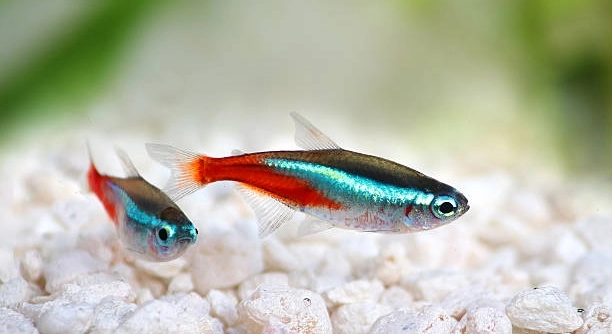
Are your brightly colored tetras starting to look dull and faded, leaving you concerned about their health and overall tank condition?
Tetras often lose their bright colors due to stress, poor water quality, improper diet, or unsuitable tank conditions. Environmental changes, illness, or bullying from other fish can also cause noticeable fading in their natural hues.
Understanding the root cause can help restore their vibrant appearance and improve their well-being over time.
Common Reasons Your Tetra May Be Losing Color
Color loss in tetras is often a sign that something in their environment is not right. Poor water quality is one of the main causes. High ammonia or nitrite levels, sudden pH changes, or inconsistent temperatures can stress your fish and affect their appearance. Stress can also come from overcrowding, aggressive tank mates, or sudden lighting changes. Another common reason is diet. A lack of nutrients, especially those rich in carotenoids and other color-enhancing ingredients, can lead to fading. In some cases, tetras that are new to a tank may need time to adjust before their color returns. Illness is another concern. Parasitic or bacterial infections can cause them to lose their bright tones. It’s important to watch for other signs like lethargy or lack of appetite. Overall, color fading is usually a response to a problem that needs attention in the tank or routine care.
Color changes that happen quickly are often due to environmental stress, while gradual fading may be linked to diet or long-term care issues.
If you notice your tetras looking pale, check your tank conditions first. Use a test kit to ensure the water is safe. Look at temperature, pH, and cleanliness. Make adjustments if needed. Also, consider what you’re feeding them. Are they getting a variety of high-quality flakes or pellets made for tropical fish? Adding frozen or live food a few times a week can boost their health. If there are aggressive fish in the tank, think about separating them. Tetras are peaceful and do best with calm companions. Sometimes, just giving them a more stable and peaceful environment helps them bounce back. If water, diet, and stress seem fine, observe your fish closely for signs of illness. You might see clamped fins, changes in swimming, or lack of appetite. In that case, a vet or aquatic specialist can recommend the next steps.
Tips to Help Restore Their Bright Color
Color can often return once the cause of stress or poor care is fixed. Give your tetras time and consistency, and be patient.
Choose a quality food that lists color enhancers like spirulina or astaxanthin. These nutrients support pigment health. Offer a mix of flakes, frozen, or live foods to keep their diet balanced and varied. Keep water clean with regular partial water changes—usually 25% weekly. Test water often and aim to keep it stable, avoiding sudden shifts in pH or temperature. Avoid overstocking your tank, and give your tetras space to swim and hide. If lights are too strong, reduce the intensity or add floating plants for shade. Minimize sudden noise or movement near the tank. Stick to a consistent schedule for feeding and cleaning. When all these elements come together, most tetras recover their color over time. The change won’t be instant, but their vibrant hues can return with proper attention. Regular care makes a big difference in how healthy and colorful they appear.
Environmental Adjustments That Can Make a Difference
Small changes in your tank setup can help your tetras feel safer and less stressed. Add plants, rocks, or decorations to give them hiding spots. A peaceful setting helps bring back their natural colors.
Use a reliable heater to keep the temperature stable, between 74°F and 80°F. Sudden drops or rises can stress your fish and cause fading. Maintain a gentle filter flow—tetras don’t like strong currents. Dim lighting helps too; bright lights can cause anxiety. Try using floating plants or reducing light hours. Make sure your tank isn’t overcrowded. Overcrowding leads to more waste, which affects water quality. Clean the tank regularly, replacing about 25% of the water weekly. Keep ammonia and nitrites at zero, and nitrates below 20 ppm. Check the pH and keep it stable between 6.5 and 7.5. A calm, balanced tank encourages tetras to show their colors again.
Tank mates matter too. Avoid pairing tetras with fin-nippers or overly active fish. Fast, aggressive tank mates can keep your tetras on edge, which leads to dull coloration. Stick with peaceful species like rasboras, guppies, or corydoras. Also, keep tetras in small schools of at least six. They are schooling fish and feel safer in groups. A lone tetra may become anxious and lose color. Group behavior also boosts their confidence, which can bring out their bright tones. Monitor your tank’s noise level as well—vibrations from nearby movement, loud music, or slamming doors can startle them. Try placing the tank in a quieter part of your home. A low-stress environment is key to their overall health and vibrant appearance. With consistent attention and a peaceful setup, their color can return over time.
Feeding Tips That Support Color Restoration
Food makes a big difference in how your tetras look. Choose high-quality flakes or pellets designed for tropical fish. Look for ingredients like spirulina, krill, or astaxanthin—they help enhance natural colors and keep your fish healthy.
Feed small amounts twice a day and only what they can finish in two minutes. Overfeeding leads to waste buildup, which affects water quality and adds stress. Vary their meals by adding freeze-dried, frozen, or live foods like daphnia, brine shrimp, or bloodworms. This not only improves their nutrition but also keeps them interested in eating. A more balanced diet boosts their immune system and encourages color development. Make sure the food is fresh—check expiration dates and store it in a cool, dry place. You can also soak dry food in tank water for a few seconds before feeding. It softens the texture, making it easier to digest and helping prevent bloating.
Natural foods with color-enhancing nutrients are especially helpful. Spirulina supports pigment cells, and krill or shrimp provide essential proteins. These additions can bring out more vibrant reds, blues, and yellows in your tetras. Aim to use color-enhancing foods two to three times per week, mixed with their regular meals. A balanced rotation prevents nutritional gaps and keeps their appearance at its best. Avoid feeding only flakes every day. That kind of repetition can lead to boredom and poor nutrition. Consistent feeding routines also help them feel secure. When your tetras know when to expect food, they act more relaxed and can show better color. Feeding them with care, variety, and attention to quality supports both their health and their natural beauty.
Signs of Illness That May Affect Color
Faded colors can sometimes mean your tetra is sick. Look for clamped fins, rapid gill movement, or changes in swimming patterns. These signs often appear before other symptoms and can signal that something is wrong inside the tank.
Watch for white spots, red streaks, or bloated bellies. These may point to infections or parasites. Treat early using aquarium-safe medications and isolate sick fish if needed. Early care helps prevent color loss from becoming permanent or spreading to other fish.
How Age Affects Tetra Color
As tetras age, their colors may naturally fade. This is a slow process and happens over months or years, not suddenly. Older fish may still be healthy, but their pigment cells don’t function as strongly. If water quality, diet, and tank conditions are all in good shape, fading due to age is likely. Keep offering proper care to support their overall well-being. Older tetras can still enjoy a stable, healthy life even if they aren’t as colorful as before. Their fading color doesn’t always mean something is wrong—it can simply be part of the aging process.
When to Seek Professional Help
If your tetra’s color keeps fading despite clean water and good food, it may be time to contact an aquatic vet. A professional can check for hidden problems.
Why are my tetras losing their bright colors suddenly?
Sudden color loss in tetras usually points to environmental stress or illness. Changes in water quality, temperature swings, or new tank mates can cause stress quickly. Disease symptoms may also appear suddenly. Testing water and observing behavior can help pinpoint the cause.
Can poor water quality really cause color fading?
Yes. High ammonia, nitrite, or nitrate levels affect fish health and stress them. Stress reduces pigment expression, leading to dull colors. Keeping water clean with regular testing and changes is essential for maintaining vibrant tetras.
How often should I change the water to help restore color?
Partial water changes of 20-30% once a week are ideal. This removes waste and toxins, stabilizes water chemistry, and lowers stress. Avoid changing too much water at once, which can shock your fish.
Does the type of food affect tetra coloration?
Absolutely. Tetras need a diet rich in color-enhancing nutrients like carotenoids, spirulina, and astaxanthin. Feeding a variety of high-quality flakes, pellets, and frozen or live foods supports pigment health and overall vitality.
Is it okay to feed my tetras only flakes?
Feeding only flakes long-term can lead to nutritional gaps. Variety is important to provide all needed nutrients. Supplement flakes with frozen or live foods several times a week for better color and health.
Can stress from other fish cause color loss?
Yes. Aggressive or overly active tank mates can stress tetras, making them pale. Tetras do best with peaceful companions and in schools of six or more, which helps reduce anxiety and encourages natural coloration.
How do I know if my tetra is sick or just stressed?
Sick fish often show other signs: lethargy, clamped fins, loss of appetite, or abnormal swimming. Stress alone usually causes color fading without these symptoms. If you notice sickness signs, treat quickly to prevent worsening.
Is color loss permanent if not treated?
It can be if the underlying cause is not fixed. Chronic stress, poor water, or illness can cause lasting damage to pigment cells. Early intervention improves chances of color returning fully.
Why do older tetras lose color?
Aging naturally reduces pigment cell activity. This happens slowly and is normal. Older fish may still be healthy but less vibrant. Proper care keeps them comfortable even with faded colors.
Can lighting affect tetra color?
Yes. Too much bright light can stress tetras and dull their colors. Moderate, consistent lighting with shaded areas helps them feel safe and shows their natural hues better.
Should I isolate a pale tetra?
If the fish shows signs of illness or is being bullied, isolating it is a good idea. This reduces stress and allows for targeted treatment if needed.
How long does it take for color to return after fixing issues?
Color improvement can take days to weeks depending on the cause and fish condition. Consistency in care is key to seeing results.
Are there medications that improve color?
No medication directly restores color. Medications treat illnesses that cause color loss. After recovery, good diet and environment help colors return naturally.
What is the best water temperature for tetras?
Between 74°F and 80°F. Stable temperature in this range reduces stress and supports healthy coloration.
Can overcrowding cause color loss?
Yes. Overcrowded tanks increase waste and stress, leading to fading. Keep tank stocking levels appropriate for size and species.
Is it normal for tetras to lose color after moving to a new tank?
Yes. New environments cause temporary stress. Colors often return once fish adjust, provided water quality is good and stressors are minimized.
Can poor oxygen levels affect color?
Low oxygen can stress fish and dull colors. Ensure good water circulation and avoid overcrowding to maintain oxygen levels.
How do I test water quality for my tetras?
Use aquarium test kits to check ammonia, nitrite, nitrate, pH, and temperature. Regular testing helps prevent problems before they affect your fish.
Should I use a water conditioner?
Yes. Conditioners remove chlorine and chloramine from tap water, making it safe for fish and protecting their health and coloration.
Can stress from transport cause color loss?
Yes. Moving fish causes stress, often leading to temporary fading. Allow them time to settle into the tank and maintain stable conditions to help colors return.
Is it normal for tetras to fade at night?
Some tetras appear less colorful in low light or when resting, but colors should brighten during the day. Persistent dullness indicates other issues.
Does tank size affect tetra coloration?
Small tanks can stress fish due to limited space and water stability, leading to faded colors. Provide adequate space—at least 10 gallons for a small school—to promote health and color.
Can plants improve tetra coloration?
Plants create hiding spots, reduce stress, and improve water quality. A well-planted tank supports tetra health and encourages vibrant colors.
How important is tank maintenance?
Regular cleaning and water changes are essential. Neglect leads to toxic buildup, stressing fish and causing color loss.
Can I use color-enhancing fish foods safely?
Yes. Choose reputable brands and feed as part of a balanced diet. Overuse isn’t recommended but occasional feeding supports pigment health.
What if my tetra’s colors don’t improve after weeks of care?
Consider consulting an aquatic vet. Persistent fading may indicate hidden illness or environmental issues needing expert help.
Maintaining the bright colors of your tetras is closely tied to their overall health and the conditions in their tank. Many factors can cause color loss, such as poor water quality, stress, improper diet, illness, and even age. Understanding these reasons helps in taking the right steps to bring back their vibrant appearance. By focusing on stable water conditions, a balanced diet, and a calm environment, you create a setting where your tetras can thrive and display their natural beauty. Paying attention to the small details, like regular water testing and careful feeding, makes a big difference over time.
It is important to remember that restoring your tetra’s color is not usually instant. Fish need time to adjust and recover from any stress or health issues they face. Consistency in tank care and feeding routines plays a crucial role. Making small but steady improvements, like maintaining temperature, cleaning the tank regularly, and feeding high-quality foods, will help your tetras regain their colors naturally. Some changes may take a few weeks before becoming visible, so patience is essential. During this period, it’s helpful to keep observing your fish closely for any signs of illness or ongoing stress.
Finally, while color loss can be worrying, it often signals that your fish need attention rather than indicating a permanent problem. Providing a stable and healthy home is the best way to support your tetras’ wellbeing. If you find that despite your efforts, their color does not improve or other symptoms appear, seeking advice from an aquatic specialist or veterinarian is a wise choice. With proper care and attention, your tetras can enjoy a long, healthy life filled with the bright, lively colors you want to see in your aquarium.

Hello,
If you enjoy the content that we create, please consider saying a "Thank You!" by leaving a tip.
Every little bit helps us continue crafting quality advice that supports the health, happiness, and well-being of pets around the world, for pets of all shapes, sizes, and species.
We really appreciate the kindness and support that you show us!