
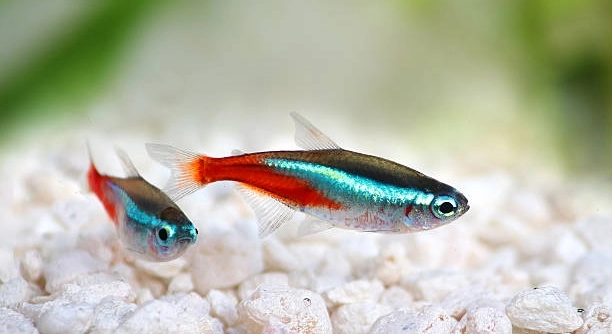
Are your tetra fish spending a lot of time hovering near the glass of your aquarium? Many fish owners notice this behavior and wonder what it might mean for their tank’s environment. Understanding why this happens can help maintain a healthy home for your fish.
Tetras often hover close to the glass due to stress, poor water quality, or a need for better oxygen levels. These conditions make the fish seek areas where they feel safer or where the environment is more comfortable for them.
Recognizing these signs can help you take the right steps to improve your aquarium’s conditions and keep your tetras happy and healthy.
Stress and Its Impact on Tetra Behavior
When tetras feel stressed, they often change how they act, and hovering near the glass is a common sign. Stress in fish can come from many sources, such as sudden changes in water temperature, overcrowding, or aggressive tank mates. If the fish feel threatened, they try to stay in places where they feel safer, like near the glass or corners of the tank. It’s important to check for any factors causing stress and address them quickly to avoid health problems in your fish.
Stress can weaken a tetra’s immune system, making it more likely to get sick. It is crucial to keep their environment calm and stable to prevent this from happening.
Reducing stress involves maintaining stable water parameters, providing enough space, and ensuring compatible tank mates. Offering hiding spots like plants or decorations can help tetras feel secure. Regular tank maintenance and observing fish behavior closely will allow you to notice early signs of stress and act promptly, improving their overall well-being.
Water Quality and Oxygen Levels
Poor water quality and low oxygen levels are common reasons tetras hover near the glass.
Dirty water or low oxygen forces fish to find spots with better conditions. Regular water tests and changes keep the tank healthy. Adding an air stone or improving filtration can increase oxygen and make your tetras more comfortable. Maintaining good water quality is essential for their health and behavior.
Feeding Habits and Their Effect
Tetras may hover near the glass when they expect food or if their feeding schedule is irregular. This behavior shows they have learned to associate the glass with feeding time.
Consistent feeding times help reduce this behavior. If the fish are hungry or not getting enough nutrition, they may become more active near the front of the tank. Overfeeding can also cause water quality problems that affect their behavior. Balancing the amount and frequency of food given is key to keeping tetras calm and healthy.
Using high-quality food designed for tetras ensures they get the nutrients they need. Feeding small portions multiple times a day is better than one large feeding. Observing how your fish respond during feeding can help adjust the routine to meet their needs and reduce glass-hugging behavior.
Lighting and Environmental Factors
Lighting plays a role in tetra activity near the glass.
Too much light can stress fish, causing them to seek shaded areas, often near the glass if the tank setup reflects light there. Conversely, dim lighting might make them more active and curious about their surroundings.
Maintaining a natural light cycle with moderate brightness supports healthy fish behavior. Avoid placing the tank in direct sunlight, which can increase algae and temperature fluctuations. Providing plants and decorations creates hiding spots and breaks up the light, helping tetras feel more secure and less likely to stay near the glass for long periods. Adjusting light intensity and timing can improve the overall tank environment and your fish’s comfort.
Tank Size and Space
Tetras need enough room to swim comfortably. A small or overcrowded tank makes them feel confined and stressed.
Providing adequate space helps reduce hovering near the glass. Each tetra needs at least 2 gallons of water for a healthy environment.
Tank Mates and Social Behavior
Tetras are schooling fish and prefer to be with their own kind. If kept alone or with aggressive species, they may stay near the glass out of fear or loneliness. A proper group size and compatible tank mates encourage natural swimming and reduce stress. Keeping at least six tetras together helps them feel secure and display normal behavior.
Water Temperature
Maintaining a stable water temperature between 72°F and 80°F is important.
Sudden changes or incorrect temperatures can cause discomfort and erratic behavior, including hovering near the glass. Use a reliable heater and thermometer to keep conditions stable.
FAQ
Why are my tetras always near the glass?
Tetras often stay near the glass due to stress, hunger, or water quality issues. They may associate the glass with feeding times or feel safer there if the tank conditions are not ideal. Checking water parameters and feeding schedules can help resolve this.
Is it normal for tetras to hover at the glass?
Occasional hovering near the glass is normal, especially if they expect food. However, constant hovering can indicate stress, poor water quality, or inappropriate tank conditions that need attention.
Can water quality affect tetra behavior?
Yes. Poor water quality, like high ammonia or low oxygen levels, causes tetras to behave differently. They may hover near the glass to find spots with better oxygen or less contamination. Regular water tests and changes keep the tank safe.
How often should I feed my tetras?
Feed small portions once or twice daily. Overfeeding can harm water quality, while underfeeding causes hunger and stress. Observe your fish and adjust portions to avoid leftovers and maintain health.
What tank size is best for tetras?
A minimum of 10 gallons is recommended for a small group of tetras. They need enough space to swim freely. Overcrowding causes stress and unhealthy behavior.
Do tetras need tank mates?
Tetras are schooling fish and thrive in groups of six or more. Being alone or with aggressive fish makes them stressed and more likely to hide or hover near the glass.
Can lighting affect my tetras’ behavior?
Yes. Too bright or direct lighting can stress fish, while dim light might make them more active. A balanced lighting schedule with moderate brightness helps keep them comfortable.
What water temperature is best for tetras?
Maintain a stable temperature between 72°F and 80°F. Sudden changes can cause stress and abnormal behavior, including staying near the glass.
Why do tetras sometimes gasp at the surface?
Gasping indicates low oxygen levels in the water. Improving aeration and water circulation helps prevent this and keeps tetras healthy.
How do I reduce stress in my tetras?
Keep water stable, maintain proper tank size, avoid aggressive tank mates, and provide hiding places. Consistent feeding and lighting also reduce stress and promote natural behavior.
When tetras hover close to the glass, it often signals something in their environment needs attention. This behavior is usually a response to stress, water quality issues, or changes in their surroundings. Observing your fish and checking the tank regularly can help you spot problems early. Taking simple steps, like maintaining clean water, feeding the right amount, and providing enough space, can make a big difference in how your tetras act.
Creating a stable and comfortable home for your tetras is key to keeping them healthy and happy. Proper tank size, good filtration, and a balanced light schedule all play important roles. Tetras feel safer in groups, so keeping them with compatible tank mates in sufficient numbers reduces their stress and keeps their behavior normal. Also, paying attention to water temperature and oxygen levels helps prevent issues that cause them to stay near the glass.
Making small but consistent efforts will improve your tetras’ quality of life. It might take some time to understand their needs fully, but watching how they respond to changes is a good guide. A healthy, well-maintained aquarium encourages natural behavior and allows you to enjoy your fish more. In the end, the goal is to create an environment where your tetras feel secure and thrive, so hovering near the glass becomes less common.

Hello,
If you enjoy the content that we create, please consider saying a "Thank You!" by leaving a tip.
Every little bit helps us continue crafting quality advice that supports the health, happiness, and well-being of pets around the world, for pets of all shapes, sizes, and species.
We really appreciate the kindness and support that you show us!