
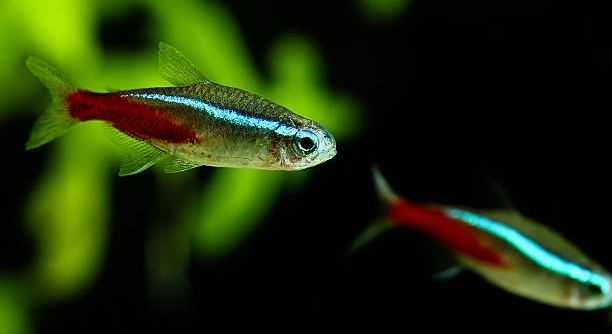
Are your tetras flickering nervously against the decorations in your aquarium? Many fish owners notice this behavior and wonder what it means. It can be a bit unsettling to see your peaceful fish acting restless near their tank ornaments.
Tetras flick against decorations mainly due to stress or irritation. This behavior may be caused by poor water quality, inappropriate tank mates, or sharp objects on the decorations. Ensuring a clean environment and safe tank setup helps reduce this flickering behavior.
Understanding why your tetras behave this way can improve their comfort and health. Small changes in their habitat often make a big difference in calming these little swimmers.
Common Causes of Tetra Flickering
Tetra flickering often happens when they feel stressed or uncomfortable. One main cause is poor water quality. High levels of ammonia, nitrites, or nitrates can irritate the fish, making them twitch or flick near decorations. Another cause could be aggressive tank mates that bother the tetras, pushing them toward hiding spots where flickering happens more. Sometimes, decorations with rough or sharp edges can physically irritate the fish. If a tetra brushes against these, it may flick or flutter its fins in response. Overcrowding also adds stress, causing similar behavior. Regular water testing and gentle tank maintenance help keep your tetras calm and healthy.
Stress can also come from sudden changes in light or temperature. Keeping a stable environment minimizes flickering and other nervous behaviors.
Properly cleaning decorations and choosing smooth, fish-safe ornaments can prevent irritation. Ensuring enough space and peaceful companions helps your tetras feel secure, reducing flickering near their hiding spots.
How to Improve Your Tank Environment
Maintaining good water conditions is key. Regular water changes and testing keep toxins low and oxygen levels stable. Use a water conditioner if needed to remove harmful chemicals.
Keep an eye on your tank’s temperature, making sure it matches tetra needs, usually between 72 and 78°F (22-26°C). Sudden drops or spikes can stress your fish, causing flickering. Also, avoid strong, direct light on the tank; soft lighting helps fish feel safe.
Choose decorations carefully. Smooth stones, plants, and ornaments without sharp edges are better for your tetras. Clean decorations gently to avoid algae buildup but don’t scrub too hard, which can damage surfaces and stress fish.
Lastly, give your tetras enough space. Overcrowded tanks make fish nervous and more likely to flick against decorations. A balanced community of compatible fish reduces stress, letting your tetras swim freely and calmly.
Signs Your Tetras Are Stressed
Flickering is often one of the first signs that your tetras are stressed. They may also hide more than usual or show signs of rapid breathing. These behaviors suggest something in the tank isn’t quite right.
Stress can come from several sources, such as poor water quality or aggressive tank mates. When stress lasts, it weakens their immune system, making them vulnerable to diseases. Stress can also lead to loss of appetite and faded colors. It’s important to observe their behavior daily and address any causes quickly to keep them healthy.
If your tetras frequently flick against decorations, check the water parameters immediately. Look for signs of aggression from other fish and ensure decorations don’t have sharp edges. Providing hiding places and keeping the environment stable helps reduce stress and the flickering behavior.
Preventing Tetra Flickering
Regular tank maintenance prevents flickering by keeping the environment stable. Change 20-30% of the water weekly to remove toxins. Test water parameters often to catch problems early. Stable water temperature and gentle lighting also help reduce stress.
Adding plenty of live or artificial plants creates hiding spots, making tetras feel safe. Choose peaceful tank mates to avoid aggression, which can trigger flickering. Make sure decorations have smooth surfaces and avoid overcrowding the tank. Feeding a balanced diet supports their health and helps them cope better with any stress. These steps create a calm environment where flickering is less likely to occur.
Impact of Sharp Decorations
Sharp or rough decorations can cause physical irritation to tetras. When they brush against these surfaces, they may flick or flutter their fins to try to relieve discomfort. This behavior can lead to injury or infections if not addressed quickly.
Using smooth, fish-safe decorations helps prevent this problem. Rounded stones, plastic plants, or polished ornaments reduce the risk of cuts or scrapes. Regularly inspecting decorations for sharp edges and removing any dangerous items keeps your tetras safe and calm.
Monitoring Water Quality
Keeping the water clean and balanced is essential. Regular testing for ammonia, nitrites, and nitrates helps catch problems early. Poor water quality stresses fish and causes flickering and other unusual behaviors.
Behavior Changes to Watch For
Besides flickering, watch for lethargy, loss of appetite, or clamped fins. These signs indicate stress or illness needing attention.
FAQ
Why do my tetras flick only near decorations?
Tetras tend to flick near decorations because these areas often serve as hiding spots or boundaries in their environment. If the decorations have rough surfaces or sharp edges, the fish may accidentally brush against them, causing irritation. Additionally, if the tank is overcrowded or stressful, tetras might seek shelter near decorations but become nervous, leading to flicking behavior.
Can flickering mean my tetras are sick?
Yes, flickering can be a sign of illness. Fish sometimes flick or rub their bodies when they have parasites or skin irritations. If flickering is frequent and paired with other symptoms like white spots, clamped fins, or lethargy, it’s important to test the water and consider consulting a vet or fish expert.
How can I tell if my decorations are causing harm?
Look closely at the decorations for any sharp or rough areas. Also, observe if flickering happens more when fish swim near certain decorations. If you notice small cuts or damaged fins on your tetras, it’s a strong sign that something in the tank is physically hurting them.
What water parameters should I check to reduce flickering?
Test for ammonia, nitrites, and nitrates regularly. Ammonia and nitrites should always be at zero, while nitrates should stay below 20 ppm. Also, monitor pH and temperature to keep them within the ideal range for tetras (pH 6.5–7.5, temperature 72–78°F). Unstable water conditions cause stress and flickering.
Is flickering normal for new tetras in a new tank?
Yes, flickering can happen when tetras are adjusting to a new environment. They may feel nervous and uncertain at first, especially if water conditions or tank mates differ from their previous home. This behavior should lessen as they become comfortable.
How often should I clean my tank to prevent flickering?
A weekly partial water change of 20-30% helps maintain water quality and reduce stress. Clean decorations gently when needed to remove algae or buildup but avoid harsh scrubbing, which can release harmful substances or damage the surface.
Can tank mates cause flickering?
Aggressive or overly active fish can stress tetras, causing flickering. Ensure tank mates are peaceful and compatible with tetras. Overcrowding also raises stress levels, so provide enough space and hiding spots to reduce conflicts.
What decorations are best for tetras?
Choose smooth, rounded decorations like polished stones, silicone plants, or plastic ornaments designed for aquariums. Avoid anything with sharp edges or rough textures. Live plants also help create a natural and safe environment.
Will flickering damage my tetras over time?
If flickering is caused by stress or irritation and continues over time, it can weaken your fish’s immune system. This increases the risk of infections and other health issues. It’s important to identify and fix the cause to protect their well-being.
How can I calm my flickering tetras quickly?
Perform a partial water change to improve water quality. Check temperature and lighting, reducing sudden changes. Remove any harmful decorations and ensure peaceful tank mates. Adding plants and hiding spots can help tetras feel safe and reduce flickering fast.
Should I treat flickering fish with medication?
Medication is only necessary if flickering comes with signs of illness, like parasites or bacterial infections. Otherwise, focus on improving the tank environment. Using medicine unnecessarily can harm your fish and beneficial bacteria.
How long does it take for tetras to stop flickering after changes?
Once water quality and tank conditions improve, tetras often calm down within a few days to a week. Consistency is key. Keep monitoring their behavior and the environment to ensure lasting comfort.
Is flickering related to feeding?
Not usually, but overfeeding can worsen water quality, indirectly causing stress and flickering. Feed small amounts suitable for your fish’s size and remove leftover food promptly.
Can flickering happen during breeding?
During breeding, tetras may flick or dart more as part of courtship or territory defense. This behavior is temporary and different from stress flickering. Observing other breeding signs helps distinguish the cause.
What should I do if flickering continues despite improvements?
Re-examine water parameters and tank setup carefully. Sometimes hidden issues like parasites or unnoticed aggressive fish cause ongoing stress. Consulting a fish specialist or vet can help diagnose persistent problems.
Final Thoughts
Tetras flickering against decorations is usually a sign that something in their environment needs attention. It’s important to remember that this behavior is often caused by stress or irritation. Changes in water quality, aggressive tank mates, or rough decorations can all make tetras uncomfortable. By paying close attention to their tank conditions, you can spot problems early and take steps to fix them. Simple actions like regular water testing, partial water changes, and choosing safe decorations can make a big difference in your fish’s behavior and health.
Creating a calm and safe space for your tetras is key to reducing flickering. This means giving them plenty of room to swim and enough hiding places to feel secure. Peaceful tank mates help reduce stress and prevent aggression that might cause your tetras to flick or dart nervously. Also, keeping the tank environment stable, including temperature and lighting, helps fish feel more at ease. Flickering should lessen when the fish feel comfortable and free from irritation or fear.
If flickering continues even after you make changes, it’s important to look deeper into other possible causes. Sometimes, fish flick because of parasites or illnesses, which require different care. Observing your fish carefully for other signs like loss of appetite, unusual spots, or clamped fins can help you decide if medical treatment is needed. If you are unsure, asking an expert can save your tetras from ongoing stress or harm. Overall, a well-maintained tank and careful observation are the best ways to keep your tetras healthy and flicker-free.

Hello,
If you enjoy the content that we create, please consider saying a "Thank You!" by leaving a tip.
Every little bit helps us continue crafting quality advice that supports the health, happiness, and well-being of pets around the world, for pets of all shapes, sizes, and species.
We really appreciate the kindness and support that you show us!