
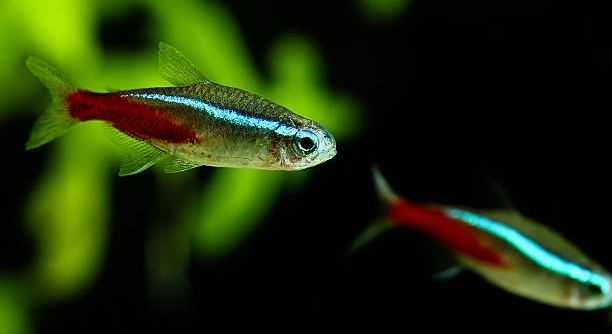
Are your tetra fish flashing under the aquarium light and making you wonder what’s going on? This behavior can seem strange and a bit worrying when you first notice it. Many fish owners see this and want to understand the reason behind it.
Flashing in tetra fish is usually a sign of irritation or stress caused by parasites, poor water quality, or physical discomfort. It is a natural reaction when the fish try to relieve irritation by rubbing against objects or the tank walls.
Knowing why your tetra is flashing helps you take the right steps to keep them healthy and comfortable in their environment. This article will guide you through common causes and solutions to help your fish feel better.
Common Causes of Flashing in Tetras
Flashing in tetra fish usually happens when something irritates their skin or fins. Parasites like ich or flukes can cause this behavior because they make the fish itchy. Poor water quality is another common cause—high levels of ammonia, nitrites, or nitrates stress the fish and lead to flashing. Sometimes, sharp or rough decorations in the tank can cause physical discomfort, making the fish rub against objects to ease the irritation. Stress from overcrowding or aggressive tank mates also contributes to this behavior. It’s important to regularly check your water parameters and keep the tank clean. If you notice flashing, examine your fish carefully for signs of parasites or injury. Early detection can prevent more serious health issues and help your tetras feel comfortable again.
Poor water conditions and parasites are the main reasons tetras flash. Regular tank care is key to avoiding this issue.
Keeping your aquarium clean and well-maintained is essential. Use a good filtration system and perform regular water changes to keep ammonia and nitrite levels low. Test the water often to ensure it stays within safe limits for tetras. If parasites are present, treatment with appropriate medications can stop the flashing quickly. Avoid overcrowding the tank, and make sure your tetras have enough space to swim freely. Removing any sharp decorations can prevent injuries that cause flashing. By paying attention to these details, you’ll create a healthier environment where your fish can thrive.
How to Help Your Flashing Tetra Feel Better
Flashing signals that your tetra needs help, and quick action is important. Start by testing the water for ammonia, nitrites, and nitrates. Changing 25% of the water can reduce harmful substances and improve the environment. Look closely for white spots or signs of parasites on your fish’s body. If you see any, treat the tank with medications designed for common freshwater parasites. Keep the tank temperature steady and avoid sudden changes, which can increase stress.
Improving water quality and treating parasites will stop the flashing. Taking these steps early prevents more serious problems.
Along with treatment, make sure your tank has proper filtration and aeration to maintain clean, oxygen-rich water. Avoid overcrowding and aggressive tank mates that can stress your tetra. Provide hiding spots with smooth decorations or plants to give your fish a safe place to rest. Feeding a balanced diet will also boost their immune system, helping them recover faster. Monitoring your fish daily allows you to notice any changes quickly. With careful care and attention, flashing will stop, and your tetra will return to its normal, happy swimming behavior.
Preventing Flashing in Tetras
Keeping the tank clean is the best way to prevent flashing. Regular water changes and proper filtration help maintain healthy water conditions. Avoid overcrowding, and choose peaceful tank mates to reduce stress.
Regular testing of water parameters ensures safe conditions for tetras. Keeping ammonia, nitrite, and nitrate levels low prevents irritation that causes flashing. Adding live plants can improve water quality by absorbing excess nutrients. It’s important to feed your fish a balanced diet to keep their immune system strong. Also, inspect decorations for sharp edges that might injure your fish. Providing a calm environment with stable temperature and gentle lighting will help reduce stress and discourage flashing behavior.
A consistent maintenance routine makes a big difference in your tetras’ health. When the environment is stable and clean, flashing is much less likely to happen.
Signs Your Tetra Needs Immediate Attention
If flashing is combined with lethargy, loss of appetite, or clamped fins, immediate action is needed. These signs often indicate a serious infection or poor water quality that can worsen quickly if untreated.
Check water quality first and make a partial water change. Look for visible signs of parasites or injury on your fish. If you spot white spots, redness, or ulcers, start appropriate medication right away. Isolate the affected fish if possible to prevent spreading disease. Improving water conditions and treating infections early can save your tetra’s life. Keep monitoring closely during treatment to ensure the fish improves. Prompt care is critical for recovery and preventing further flashing episodes.
Identifying Parasites in Tetras
Parasites often cause flashing in tetras and need quick attention. Look for tiny white spots, redness, or small worms on the fish. These are common signs of parasite infections that irritate the skin and fins.
Parasites can spread fast in a tank. Treating the entire tank with an anti-parasitic medication is usually necessary. Follow instructions carefully to avoid harming your fish or plants.
Adjusting Tank Environment to Reduce Stress
Keeping the water temperature stable and within the ideal range for tetras is essential. Sudden changes can stress them and cause flashing. Use a reliable heater and thermometer to monitor conditions regularly.
Feeding to Support Fish Health
A balanced diet strengthens your tetra’s immune system, helping fight irritation and infection. Offer high-quality flakes, pellets, and occasional live or frozen foods to provide variety and nutrients.
When to Consult a Veterinarian
If flashing continues despite improving water quality and treating parasites, seek professional advice. A vet can diagnose underlying health issues needing special care.
FAQ
Why do my tetras flash only at certain times of the day?
Tetras may flash more under bright light or when tank activity increases. Changes in light intensity can make irritation feel worse, causing more rubbing. Stress from feeding times or tank disturbances may also trigger flashing. Keeping consistent lighting and a calm environment helps reduce these flare-ups.
Can flashing mean my tetra has a bacterial infection?
Yes, flashing can be a sign of bacterial infections, especially if accompanied by redness, swelling, or sores. Bacteria often infect damaged skin caused by parasites or poor water quality. Treating the underlying cause and using antibacterial medication can help clear the infection.
Is flashing harmful to my tetra?
Flashing itself is a symptom, not harmful directly, but it shows your fish is uncomfortable. If left untreated, the irritation causing flashing can lead to wounds or infections, which can be dangerous. Early attention prevents these issues and keeps your fish healthy.
How can I tell if my tetra has parasites?
Parasites often appear as small white spots, tiny worms, or fuzzy patches on the skin or fins. Flashing combined with rapid breathing, clamped fins, or lethargy usually indicates parasites. Regular observation and quick action help prevent spread.
Should I remove other fish if one tetra is flashing?
Isolation depends on the cause. If flashing is due to parasites or infection, isolating the affected fish can help stop transmission. For stress or environmental causes, improving tank conditions is more important. Quarantine new fish before adding them to avoid spreading diseases.
What water parameters are best to prevent flashing?
Maintain ammonia and nitrites at 0 ppm and nitrates below 20 ppm. Keep pH between 6.5 and 7.5 and temperature steady between 74°F and 80°F (23°C to 27°C). Regular testing and water changes keep these stable and reduce flashing triggers.
Can flashing be caused by tank decorations?
Yes, sharp or rough decorations can irritate the skin and fins, leading to flashing. Inspect the tank for anything that might scratch your fish and replace or smooth out rough edges. Soft plants and smooth rocks are safer choices.
How long does flashing last in tetras?
Flashing usually stops once the cause is treated. Parasite or infection treatments take several days to weeks depending on severity. Improving water quality can show quick results, but complete recovery might take time. Patience and consistency are key.
Is flashing common in all tetra species?
Flashing can occur in any tetra species but is most common in those sensitive to water changes or parasites, like neon or cardinal tetras. Each species may show different flashing frequency based on their sensitivity and tank conditions.
Can flashing occur without visible signs?
Yes, sometimes flashing happens before visible signs appear. Fish may feel irritation or stress not yet showing physically. Early flashing should alert you to check water quality and behavior to catch problems early.
What foods help reduce flashing caused by stress or illness?
Foods rich in vitamins, especially vitamin C and E, help boost the immune system. High-quality flakes, pellets, and occasional live or frozen foods like brine shrimp or bloodworms offer balanced nutrition that supports healing and stress reduction.
Can flashing be mistaken for normal behavior?
Some rubbing can be normal if brief, such as scratching an itch or cleaning. But frequent, intense flashing usually signals a problem. Pay attention to how often and how long your tetra flashes to tell normal behavior from stress.
Are there natural remedies to stop flashing?
Adding aquarium salt in small doses can help reduce irritation and stress. Using plants that improve water quality also supports fish health naturally. However, serious causes like parasites or infections need proper treatment.
When should I change the water if my tetra is flashing?
Perform a partial water change immediately if you notice flashing with poor water quality signs. Regular weekly water changes of 20-30% maintain good conditions. Avoid changing too much water at once to prevent further stress.
How can I keep flashing from coming back?
Keep the tank clean, stable, and not overcrowded. Quarantine new fish and maintain proper feeding. Regular testing and monitoring let you catch issues early. A healthy tank environment is the best prevention against flashing.
Flashing in tetras is a common behavior that usually shows something isn’t quite right in their environment or health. It is often caused by irritation from parasites, poor water quality, or physical discomfort. When a tetra flashes, it means the fish is trying to relieve itself by rubbing against surfaces in the tank. Understanding why this happens is important for every fish owner, because flashing is a sign that your fish needs attention to feel better. Taking steps to improve the water conditions and treat any infections can help stop the flashing and keep your tetras healthy.
Maintaining a clean and stable aquarium is key to preventing flashing in your tetras. Regular water changes, proper filtration, and checking water parameters like ammonia and nitrites will create a safer environment for your fish. It’s also important to avoid overcrowding the tank and to choose peaceful tank mates. Sharp decorations or rough surfaces should be replaced with smooth ones to avoid injuries that cause flashing. Feeding your tetras a balanced diet will boost their immune system and help them resist illness. Paying attention to your fish’s behavior and environment will allow you to notice problems early and take quick action.
If flashing continues or is combined with other signs like lethargy or loss of appetite, it may mean your tetra needs medical treatment. Parasites, bacterial infections, or poor water conditions can all make flashing worse if left untreated. In these cases, using medications and isolating sick fish can help control the problem. Regularly monitoring your aquarium and responding to any issues will improve your tetras’ health over time. By keeping your fish in a stable and comfortable environment, you help them live longer, happier lives without the discomfort that causes flashing.

Hello,
If you enjoy the content that we create, please consider saying a "Thank You!" by leaving a tip.
Every little bit helps us continue crafting quality advice that supports the health, happiness, and well-being of pets around the world, for pets of all shapes, sizes, and species.
We really appreciate the kindness and support that you show us!