
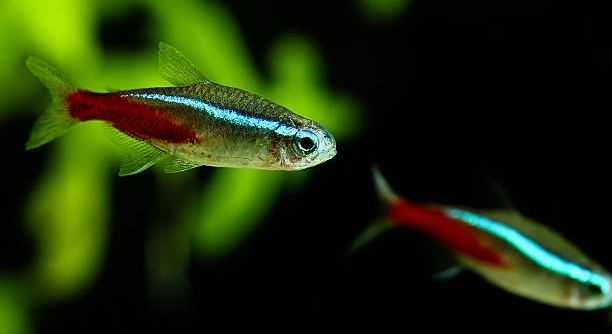
Are your tetras showing signs of rapid breathing? Many fish owners notice this behavior and wonder what it means for their aquatic pets. Fast breathing can be a signal that something in the tank might not be right.
Rapid gill movement in tetras usually indicates stress, poor water quality, low oxygen levels, or illness. Identifying the underlying cause quickly is important to ensure the health and well-being of the fish in their environment.
Understanding why your tetra breathes fast can help you act promptly and maintain a healthy tank. This article will cover common causes and simple solutions to keep your fish comfortable.
Common Causes of Fast Breathing in Tetras
Tetras breathe quickly for several reasons, most of which relate to their environment. Poor water quality is one of the main causes. When ammonia, nitrites, or nitrates build up, fish struggle to get enough oxygen. Low oxygen levels in the water also cause rapid gill movement. This can happen if the tank is overcrowded or if the water surface is still, reducing gas exchange. Illness and parasites may make tetras breathe faster as well. Diseases that affect their gills or body can stress the fish and affect breathing. Temperature plays a role too; warmer water holds less oxygen, which forces fish to breathe harder. Finally, sudden changes in the tank, such as new decorations or water changes, can stress tetras and cause this behavior.
Checking water parameters regularly is a simple way to prevent many of these problems. Keeping the tank clean and properly aerated also helps maintain good oxygen levels for your tetras.
When tetras breathe fast, it often means they need help. Addressing water quality and tank conditions usually improves their health quickly.
Understanding these causes makes it easier to spot problems early. Regular care keeps tetras comfortable and reduces stress.
How to Improve Oxygen Levels in Your Tank
Oxygen is vital for fish health, and maintaining good oxygen levels helps tetras breathe normally. You can increase oxygen by adding an air pump or using a filter that agitates the water surface. Avoid overcrowding your tank because too many fish consume oxygen faster than it can be replenished. Regular water changes also keep oxygen levels stable. Plants can help by producing oxygen during the day, but be careful not to let them overgrow and consume oxygen at night. Keeping the water temperature steady and within the recommended range for tetras ensures oxygen remains available. Monitoring these factors creates a better environment for your fish.
By making small adjustments, you can significantly improve oxygen availability. This supports your tetras’ health and reduces fast breathing. A balanced tank environment promotes calm and healthy fish. Consistent care and observation prevent oxygen problems and keep your aquarium thriving.
Identifying Signs of Illness in Tetras
Fast breathing can be a symptom of illness. Look for other signs like lethargy, loss of appetite, or unusual spots. Gasping at the surface may indicate trouble breathing properly. Early detection is key to treating sick tetras effectively.
Common illnesses include bacterial infections and parasites, which often affect the gills or skin. If you notice your tetra scratching against objects, it may have external parasites. Cloudy eyes, faded colors, or torn fins can also signal health issues. Quarantining new fish before adding them to the tank helps prevent disease spread. Using water test kits regularly can spot harmful changes early. Treatment often requires medication, improved water quality, and isolation from healthy fish to prevent worsening.
Prompt action and careful observation can save your tetra’s life. Keeping the tank clean and stable reduces the chance of illness and fast breathing due to stress.
Adjusting Tank Conditions for Better Fish Health
Tank conditions strongly affect tetra breathing and overall health. Maintain a stable temperature between 72°F and 78°F since sudden fluctuations cause stress. Use a reliable heater and thermometer to monitor changes. Proper filtration is essential to keep water clean and oxygenated, which reduces respiratory distress. Avoid overcrowding, as this increases waste and lowers oxygen availability. Regular water changes—about 20% weekly—help remove toxins and replenish oxygen. Lighting should mimic natural daylight cycles, as irregular light stresses fish. Keeping the tank environment stable and comfortable helps tetras breathe easily and stay healthy.
Investing time in tank maintenance improves your fish’s quality of life. Healthy water and stable conditions prevent many common problems. By observing your tank daily, you can catch early warning signs before they become serious. This simple care routine supports long-term wellbeing and keeps your tetras thriving.
Stress Factors Affecting Tetras
Stress can cause tetras to breathe rapidly. Loud noises, sudden movements, or aggressive tank mates may frighten them. Keeping the environment calm helps reduce stress.
Proper hiding spots like plants and decorations provide security. A peaceful tank encourages normal behavior and breathing.
The Role of Diet in Fish Breathing
A poor diet can weaken tetras and affect their breathing. Feeding high-quality, balanced food ensures they get the nutrients needed for good health. Avoid overfeeding, which pollutes the water and adds stress.
Providing varied food supports immune function, helping fish resist disease and maintain steady breathing.
When to Seek Professional Help
If fast breathing continues despite changes, professional advice is necessary. A vet or experienced aquarist can diagnose hidden problems. Early intervention improves recovery chances.
Using Water Testing Kits
Regular water testing is essential to monitor tank health. Kits help detect harmful substances that stress fish and affect breathing.
FAQ
Why is my tetra breathing fast but otherwise looks healthy?
Sometimes tetras breathe fast due to mild stress or temporary changes in water conditions. Even if they seem fine, fluctuations in oxygen levels or water temperature can cause faster breathing. Check water quality and tank setup first, as these factors often resolve the issue quickly.
Can fast breathing be a sign of low oxygen only?
Yes, low oxygen is one of the most common reasons for rapid gill movement. Poor aeration, overcrowding, or warm water reduce oxygen availability. Adding an air pump or increasing surface agitation usually helps improve oxygen levels and ease breathing.
Is poor water quality the main cause of fast breathing?
Poor water quality often causes stress and breathing problems. High ammonia, nitrite, or nitrate levels are toxic and make it hard for fish to breathe. Regular water testing and maintenance keep these chemicals in check and prevent breathing issues.
How quickly should I act if I notice fast breathing?
Fast breathing should be addressed as soon as possible. It often signals stress or illness that can worsen quickly. Begin by testing water and checking tank conditions. If the problem persists, consider isolating the fish and seeking advice to avoid serious health decline.
Can changing water cause fast breathing?
Sudden water changes can stress tetras and cause fast breathing, especially if temperature or pH differs from the tank. Always match new water conditions to the existing tank water before adding it. Gradual changes reduce stress and help maintain normal breathing.
Do tank mates affect tetra breathing?
Aggressive or overly active tank mates can stress tetras, causing rapid breathing. Ensuring compatible fish and providing hiding places reduces stress. A peaceful environment is key for your tetras to feel safe and breathe normally.
Can diet affect breathing rate?
Yes, poor nutrition weakens fish and makes them more vulnerable to stress and disease, which can lead to fast breathing. Feeding balanced, high-quality food in appropriate amounts supports immune health and proper respiratory function.
Is fast breathing linked to diseases?
Fast breathing often accompanies diseases, especially those affecting gills or causing oxygen uptake issues. Look for other signs like lethargy, loss of appetite, or unusual spots. Early treatment improves recovery and prevents spread in the tank.
How do I know if my tetra needs medication?
If fast breathing is paired with visible symptoms like redness, swelling, or unusual behavior, medication might be necessary. Quarantine affected fish and consult a vet or fish expert for proper diagnosis and treatment. Avoid self-medicating without guidance.
Can temperature changes cause fast breathing?
Yes, temperature directly affects oxygen levels and fish metabolism. Warmer water holds less oxygen, making fish breathe faster. Keep the tank temperature stable within the recommended range to avoid stress and breathing problems.
Will plants help improve oxygen and reduce fast breathing?
Live plants produce oxygen during daylight and can improve water quality, which helps fish breathe more easily. However, too many plants may consume oxygen at night. Balance plant growth and maintain good tank circulation.
How often should I test my tank water?
Testing water weekly is a good practice. Frequent checks help catch harmful changes early, such as spikes in ammonia or drops in oxygen. Consistent monitoring prevents stress and supports healthy fish breathing.
What is the best way to improve aeration?
Using an air pump, sponge filter, or power filter that disturbs the water surface improves oxygen exchange. Avoid stagnant water areas, and ensure good water circulation to keep oxygen levels stable.
Can overcrowding cause fast breathing?
Yes, too many fish increase oxygen demand and waste buildup, causing poor water quality and lower oxygen levels. Maintaining appropriate stocking levels helps prevent breathing problems and keeps fish healthy.
Is fast breathing normal after feeding?
Sometimes tetras breathe faster briefly after eating due to increased activity and metabolism. This usually returns to normal quickly. If fast breathing continues long after feeding, it could indicate a problem.
What are the signs that fast breathing is due to stress?
Stress-related fast breathing often comes with hiding behavior, sudden darting, or loss of color. Stressors include poor water quality, tank mates, noise, and lighting changes. Identifying and removing stress sources helps normalize breathing.
Can I prevent fast breathing through tank setup?
Yes, a well-planned tank with proper filtration, aeration, temperature control, and suitable fish numbers reduces stress and breathing issues. Regular maintenance and careful observation keep the environment stable for your tetras.
Is quarantine necessary for new fish to avoid fast breathing?
Quarantine is important to prevent disease introduction, which can cause fast breathing. Isolating new fish for two weeks allows you to monitor their health before adding them to the main tank. This protects all your fish.
What should I do if multiple fish show fast breathing?
If several fish are affected, water quality or oxygen levels are likely the problem. Test the water immediately and improve aeration or perform a partial water change. If symptoms persist, consider consulting a specialist for disease diagnosis.
Can fast breathing be temporary?
Yes, fast breathing can be temporary due to minor stress or environmental changes. If the cause is corrected quickly, fish usually return to normal breathing without long-term effects. Continuous monitoring ensures the problem does not return.
Fast breathing in tetras is a clear sign that something in their environment needs attention. It is not always a sign of serious illness, but it should never be ignored. Often, simple changes in water quality, oxygen levels, or tank conditions can make a big difference. Making sure the water is clean, well-aerated, and stable helps your tetras breathe comfortably and stay healthy. Regular monitoring and maintenance are key to preventing problems before they become serious.
Stress is another important factor that affects how tetras breathe. Loud noises, sudden movements, and aggressive tank mates can all cause stress and lead to rapid breathing. Providing plenty of hiding spots and keeping the tank peaceful helps reduce stress levels. Also, feeding your fish a balanced diet supports their immune system, making them stronger against illness and better able to cope with minor stressors. Small changes in their daily care routine can have a large impact on their well-being.
If fast breathing continues even after checking water quality and reducing stress, it may be a sign of illness or injury. Observing your tetras closely for other symptoms like lethargy, color changes, or spots can help you decide if treatment is needed. In some cases, consulting a professional or experienced aquarist will ensure the right steps are taken to help your fish recover. Overall, paying attention to your tetras’ breathing and behavior shows good care and helps create a healthy tank environment where they can thrive.

Hello,
If you enjoy the content that we create, please consider saying a "Thank You!" by leaving a tip.
Every little bit helps us continue crafting quality advice that supports the health, happiness, and well-being of pets around the world, for pets of all shapes, sizes, and species.
We really appreciate the kindness and support that you show us!