
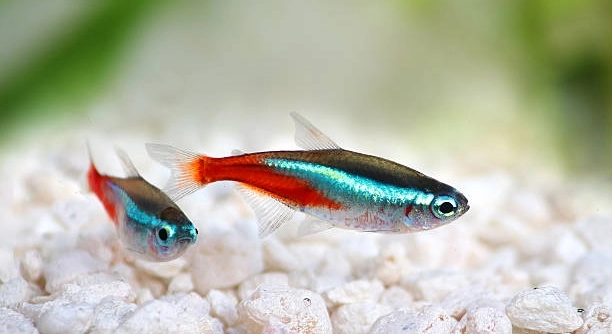
Are your Tetras suddenly avoiding each other in the tank? It can be confusing to see these social fish acting distant or shy around their own kind. Understanding the reasons behind this behavior helps keep your aquarium peaceful.
Tetras may avoid each other due to stress, poor water conditions, overcrowding, illness, lack of hiding spots, incompatible tank mates, or dominance issues. Identifying the cause is essential for restoring harmony and healthy interactions in the tank.
Recognizing these causes will help you improve your fish’s environment and bring back their natural schooling behavior.
Stress and Its Impact on Tetras
Stress is one of the main reasons Tetras avoid each other. Changes in water temperature, sudden loud noises, or poor water quality can make them anxious. When stressed, Tetras might hide or swim away from their group to feel safer. In some cases, stress causes aggression or lethargy, affecting their natural behavior. Keeping the tank stable and calm helps reduce stress. Monitoring water parameters like pH and ammonia levels is crucial. It’s also important to maintain a consistent feeding schedule, as irregular feeding can add to their discomfort. Small adjustments in the environment often make a big difference. Stress relief allows Tetras to return to their usual, peaceful schooling habits and enjoy life in the aquarium.
Stress affects how Tetras interact and can lead to isolation or fights among them.
Reducing stress starts with creating a quiet, stable tank environment. Regular water changes, proper filtration, and avoiding sudden changes can help Tetras feel secure. Providing plants or decorations gives hiding spots, reducing anxiety. Keeping tank mates compatible and not overcrowding the aquarium also lowers stress. When Tetras feel safe, they will naturally school and interact more with each other.
Poor Water Conditions and Avoidance
Water quality plays a huge role in fish behavior. Dirty or unbalanced water harms Tetras’ health and makes them avoid their group. If the water has high ammonia or nitrite levels, Tetras become weak and less social. Keeping water clean with regular changes and testing is essential. Also, maintaining proper temperature and pH helps fish feel comfortable. When water conditions improve, Tetras are more likely to swim together and stay active. Poor water quality can cause illness too, which isolates sick fish. Fixing water problems quickly is the best way to bring Tetras back to normal social behavior.
Overcrowding in the Tank
Too many Tetras in one tank can cause tension and avoidance. Overcrowding stresses the fish and limits their swimming space, leading to aggression or hiding.
When the tank is overcrowded, Tetras compete for food and territory. This competition can cause dominant fish to chase or isolate weaker ones. Overcrowding also reduces oxygen levels and worsens water quality, both harmful to fish health. Ensuring the tank size matches the number of fish helps reduce these problems. Giving each fish enough space promotes peaceful schooling behavior and better overall well-being.
Managing the number of Tetras in your tank keeps stress low and encourages healthy interactions. Adding decorations or plants can create natural barriers, helping fish feel less crowded. Regularly assessing the tank’s population prevents overcrowding before it becomes an issue.
Illness and Avoidance Behavior
When Tetras are sick, they often separate from the group to rest or recover. Illness weakens them and affects their normal social patterns.
Signs of illness include faded color, clamped fins, and slow movement. Infections, parasites, or poor water quality can cause these symptoms. Sick Tetras may hide more and avoid swimming with others to protect themselves from aggression. Promptly identifying and treating illness is important to prevent it from spreading. Quarantining sick fish helps protect the healthy ones and aids recovery. Keeping the tank clean and monitoring fish behavior regularly allows early detection. Healthy Tetras naturally swim and interact in schools, so a sudden change can signal a health problem.
Lack of Hiding Spots
Tetras need places to hide to feel safe. Without enough hiding spots, they may avoid each other and become stressed.
Plants, rocks, and decorations create safe spaces. These reduce stress and encourage natural behavior in Tetras.
Incompatible Tank Mates
Some fish species do not get along with Tetras. Aggressive or territorial tank mates can cause Tetras to hide or avoid each other.
Choosing peaceful fish that share similar temperaments helps maintain harmony. Avoid mixing Tetras with large or aggressive species to keep the tank peaceful and balanced.
Dominance and Territorial Behavior
Tetras can show dominance by chasing or isolating other fish. This behavior may cause avoidance and disrupt schooling.
Recognizing signs of dominance allows adjustments in tank setup or population. Providing enough space and hiding spots reduces territorial disputes and supports peaceful interactions.
FAQ
Why are my Tetras suddenly avoiding each other?
Tetras avoid each other mainly due to stress, poor water quality, overcrowding, illness, or aggression. Sudden changes in their environment or tank conditions can cause anxiety. Ensuring stable water parameters, proper tank size, and a calm environment helps them feel safe and encourages schooling behavior.
How can I reduce stress for my Tetras?
Keep the tank stable with regular water changes, proper filtration, and consistent feeding. Avoid loud noises or sudden movements around the tank. Adding plants and decorations gives Tetras places to hide, which lowers stress and promotes natural behavior.
What water conditions do Tetras need?
Tetras thrive in clean, well-filtered water with a pH between 6.5 and 7.5 and temperatures between 72°F and 78°F (22°C–26°C). Ammonia and nitrite levels should be zero. Regular testing and maintenance prevent harmful buildup and keep fish healthy and social.
Can overcrowding cause Tetras to avoid each other?
Yes, overcrowding leads to stress and competition for space and food. This causes aggression and forces weaker fish to isolate themselves. Ensure your tank size suits the number of Tetras and avoid overstocking to keep a peaceful community.
How do I know if my Tetras are sick?
Look for faded colors, clamped fins, slow swimming, or hiding more than usual. Illness can make Tetras avoid others. Quarantine sick fish and treat promptly to stop disease from spreading.
What tank mates are good for Tetras?
Peaceful species that are similar in size and temperament, like Corydoras or small rasboras, usually do well with Tetras. Avoid aggressive or large fish that may bully or stress them, causing avoidance behavior.
Why do Tetras need hiding spots?
Hiding spots provide security and reduce stress. Without enough cover, Tetras can feel exposed and avoid each other. Plants, rocks, and decorations create safe spaces and encourage natural schooling.
Can dominance cause Tetras to avoid each other?
Yes, some Tetras show territorial or dominant behavior, chasing others away. This breaks up the group and causes isolation. Adding more space and hiding spots reduces conflicts.
How often should I change the water in my Tetra tank?
Changing 20-25% of the water weekly helps maintain good water quality. More frequent changes may be needed if the tank is crowded or if water tests show high toxins. Good water conditions keep Tetras healthy and social.
What can I do if my Tetras still avoid each other after fixing conditions?
Sometimes fish need time to adjust after changes. Make sure the tank is peaceful and well-maintained. If avoidance continues, check for illness or incompatible tank mates. Patience and careful observation help restore normal behavior.
Tetras are social fish that naturally enjoy swimming in groups. When they start avoiding each other, it usually means something in their environment is off. This behavior is often a sign of stress, illness, or uncomfortable living conditions. Paying close attention to their tank setup, water quality, and tank mates can help identify the cause. Simple changes like improving water parameters, providing enough space, and adding hiding spots often make a big difference. When Tetras feel safe and comfortable, they return to their natural schooling behavior, which is a good sign of their well-being.
It is important to regularly monitor the aquarium for any changes in fish behavior or water quality. Small problems can quickly turn into bigger issues if left unchecked. Keeping a consistent maintenance routine helps prevent common causes of avoidance such as poor water conditions or overcrowding. Watching your fish closely also helps spot early signs of illness. Sick Tetras tend to isolate themselves, so treating health problems early is key to restoring harmony in the tank. Healthy fish are more active and social, so their behavior can be a good indicator of the overall condition of the aquarium.
Finally, patience is essential when making changes. Tetras may need time to adjust to new tank conditions or new tank mates. Rushing changes or making too many adjustments at once can cause more stress. Instead, make gradual improvements and observe how the fish respond. Over time, you will notice a positive change as your Tetras begin to interact more and avoid hiding. Keeping the tank environment stable and comfortable is the best way to ensure your Tetras thrive together peacefully. With consistent care and attention, your Tetras can enjoy a healthy and happy life in your aquarium.

Hello,
If you enjoy the content that we create, please consider saying a "Thank You!" by leaving a tip.
Every little bit helps us continue crafting quality advice that supports the health, happiness, and well-being of pets around the world, for pets of all shapes, sizes, and species.
We really appreciate the kindness and support that you show us!