
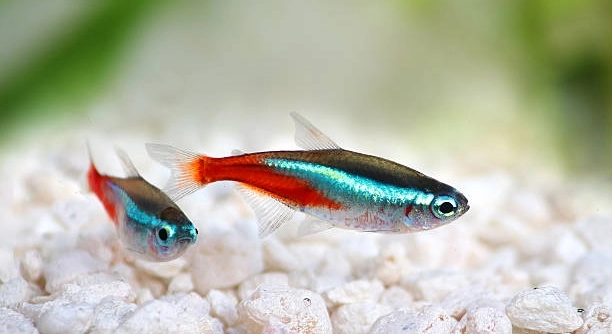
Are your tetras staying away from bright areas in their tank? Many fish owners notice this behavior but might not understand the reasons behind it. Observing how your fish react to light can give clues about their comfort and health.
Tetras typically avoid bright areas because intense light can cause stress and discomfort, making them seek shaded or dimmer spots. This natural behavior helps them feel secure, mimics their environment in the wild, and reduces the risk of predation or overstimulation.
Learning about your tetras’ lighting preferences can improve their well-being and create a more balanced aquarium environment. Understanding these factors will help you make small adjustments that benefit your fish’s daily life.
How Bright Light Affects Tetras
Bright light can make tetras feel exposed and vulnerable. In their natural habitat, they often live in shaded areas under plants or rocks, where the light is softer. When placed in a brightly lit aquarium, they may become stressed, which can lead to hiding or erratic swimming. Stress weakens their immune system and may cause health issues over time. Keeping the tank light moderate helps them feel more comfortable. Many aquarium owners use floating plants or dimmable lights to create shaded areas. This balance allows tetras to explore freely while still having places to retreat when the light feels too strong. Paying attention to how your fish respond to different lighting conditions can improve their overall behavior and well-being in the tank.
Adjusting your aquarium lighting to mimic natural shade supports your tetras’ comfort and reduces stress.
Using adjustable lighting and natural decor provides the ideal environment for your tetras to thrive without feeling overwhelmed.
Tank Setup and Lighting Solutions
Proper tank setup is key to managing light exposure for your tetras. Use plants, driftwood, or decorations to create shaded spots that break up bright areas. Floating plants are especially useful because they filter sunlight and soften overhead lighting. LED lights with adjustable intensity can also help control brightness, allowing you to set levels that suit your fish’s needs. Regularly observe how your tetras behave during different lighting times to find the best setting. Avoid sudden changes in light, which can startle the fish. Providing a natural day-night cycle with a timer on your lights can also help regulate their comfort. These steps make the tank environment closer to what tetras experience in the wild, encouraging healthier, more relaxed fish.
Setting up your tank with a focus on light balance supports your tetras’ natural instincts and promotes their health over time.
Recognizing Stress Signs in Tetras
Tetras avoiding bright areas often show other signs of stress. These can include hiding more than usual, swimming erratically, or losing color. Stress affects their appetite and overall activity, so noticing these changes early is important.
When tetras feel stressed due to lighting, their behavior becomes less predictable. They might cling to shaded spots or stay still for long periods. Stress can also cause them to become more aggressive or lethargic. Watching for these signs helps prevent serious health issues. Adjusting the light or environment quickly can reduce stress and improve their well-being.
It’s important to keep monitoring your tetras regularly. Consistent stress from bright lighting weakens their immune system, making them prone to illness. Creating a stable, comfortable environment keeps them healthier and more active.
Benefits of Natural Light Cycles
Natural light cycles support your tetras’ health by mimicking their environment. A regular day-night cycle helps regulate their internal rhythms and reduces stress.
Providing about 8 to 10 hours of light followed by darkness simulates their natural habitat. Using a timer for aquarium lights ensures consistency. This schedule encourages normal feeding and resting behaviors. It also prevents overexposure to light, which can cause stress and promote algae growth.
Maintaining these cycles helps your tetras stay active and vibrant. It improves their immune function and overall mood. Balanced light cycles also make the tank environment more stable, supporting all aquatic life inside. This approach creates a healthy and peaceful home for your fish.
Choosing the Right Aquarium Plants
Plants help reduce bright light by creating natural shade. They also improve water quality by absorbing nitrates. Live plants are better than artificial ones for this purpose.
Selecting plants like Java fern or Anubias provides shelter and softens light. These plants don’t need intense lighting, making them ideal for shaded spots.
Adjusting Light Intensity
Using adjustable LED lights allows control over brightness levels. Dimmer settings help avoid stressing tetras while keeping the tank visible. Gradual light changes are best to prevent shocking the fish.
Creating Hiding Spots
Tetras feel safer with places to retreat from bright light. Adding caves, rocks, or dense plants gives them shelter.
Monitoring Behavior Changes
Regularly watch your tetras’ behavior. Sudden changes can indicate stress or health issues needing attention.
FAQ
Why do my tetras hide when the lights are on?
Tetras naturally avoid bright light because it makes them feel exposed. In the wild, they live in shaded areas, so strong light can cause stress. When the tank light is on, they often hide to feel safer and reduce discomfort.
Can bright light harm my tetras?
Yes, prolonged exposure to intense light can cause stress, weaken their immune system, and lead to health problems. It also makes them more vulnerable to disease. Reducing light intensity and providing shaded areas helps protect them.
How much light do tetras need daily?
Tetras do well with about 8 to 10 hours of moderate light each day. This mimics natural daylight and supports their natural rhythms. Using a timer helps keep lighting consistent and avoids overexposure.
What types of plants are best for shading tetras?
Plants like Java fern, Anubias, and floating plants work well. They create shaded spots and don’t require bright light. These plants help reduce stress by softening the tank’s lighting and providing hiding places.
Is it okay to use artificial plants for shade?
Artificial plants can provide hiding spots, but they don’t improve water quality like live plants do. Live plants absorb nitrates and create a healthier environment, so they’re generally a better choice.
How can I adjust my aquarium lighting for tetras?
Using adjustable LED lights lets you control brightness. Start with low or moderate intensity and increase slowly if needed. Avoid sudden changes, as these can startle your fish. Timers help keep lighting consistent.
Why do tetras lose color when stressed by light?
Stress from bright light causes tetras to lose their vibrant colors. This is a natural reaction to help them blend in with their surroundings and avoid predators. Reducing light intensity usually helps their color return.
Can poor lighting cause aggressive behavior in tetras?
Yes, stress from harsh lighting can make tetras more aggressive or territorial. They may compete for shaded areas or hiding spots. Improving lighting conditions and providing enough cover helps reduce aggression.
What other signs indicate my tetras are stressed by lighting?
Besides avoiding bright areas, stressed tetras may swim erratically, hide constantly, lose appetite, or show faded colors. Keeping an eye on these signs helps you adjust their environment quickly.
Should I turn off the aquarium light at night?
Yes, turning off the light at night is important. It gives tetras a natural rest period, which reduces stress and promotes healthy behavior. Using a timer ensures they get regular light and dark cycles.
How can I create hiding spots without overcrowding the tank?
Use a mix of plants, small caves, and decorations placed strategically. Avoid overcrowding by selecting a few well-placed items that provide shade and shelter without limiting swimming space.
Can adjusting the light fix my tetras’ stress immediately?
Changes in lighting can improve their comfort quickly, but full recovery may take a few days. Be patient and monitor their behavior while keeping conditions stable.
Is it normal for tetras to prefer shaded areas all the time?
Yes, tetras are naturally shy and prefer dimmer spots. This helps them feel safe. However, they should still explore other areas of the tank occasionally if they feel comfortable.
Do tetras need direct sunlight?
No, direct sunlight can cause temperature fluctuations and algae growth. Tetras do better with controlled artificial light that mimics natural shade and daylight cycles.
How often should I clean plants and decorations that provide shade?
Clean these items regularly to prevent algae buildup and maintain water quality. Gently rinse live plants and decorations during water changes, usually every two weeks.
Final Thoughts
Understanding why your tetras avoid bright areas can help you create a more comfortable environment for them. Bright light can cause stress, making your fish seek shaded spots to feel safer. This behavior is natural and comes from their instincts in the wild, where they live among plants and other cover. By providing similar conditions in your tank, you can help reduce their stress and improve their overall health. Simple changes like adjusting lighting or adding plants and decorations that create shade make a big difference in how your tetras behave.
Maintaining a proper light cycle is just as important as controlling brightness. Tetras thrive when their tank mimics natural day and night patterns. About 8 to 10 hours of light followed by darkness helps regulate their internal rhythms. Using a timer to keep this schedule consistent ensures they get the rest and activity they need. Sudden changes or overly bright lighting can cause discomfort, so gradual adjustments are best. Watching your fish closely can guide you in finding the right balance to keep them calm and active.
Remember, your tetras’ behavior is a good indicator of how they feel in their environment. If they consistently avoid bright areas, it is a sign that adjustments are needed. Providing plenty of hiding places, using live plants, and managing light intensity creates a balanced space where they can explore and relax. These small efforts lead to healthier, happier fish. Taking time to understand their needs and responding thoughtfully will make your aquarium a peaceful home for your tetras.

Hello,
If you enjoy the content that we create, please consider saying a "Thank You!" by leaving a tip.
Every little bit helps us continue crafting quality advice that supports the health, happiness, and well-being of pets around the world, for pets of all shapes, sizes, and species.
We really appreciate the kindness and support that you show us!