
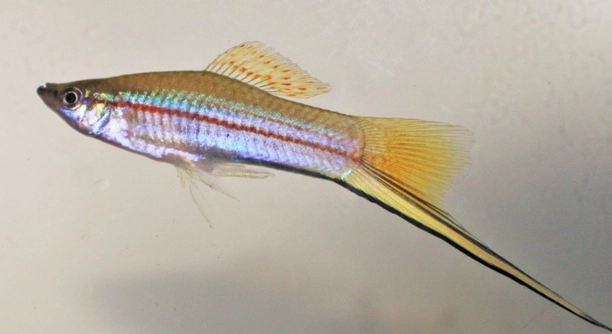
Are your swordtails separated from their fry? This common situation in fishkeeping can be confusing, especially for those new to caring for these lively creatures. Understanding the reasons behind this separation can help improve their care and development.
Swordtails are often separated from their fry to prevent predation. Adult swordtails may see the young as food, which can harm the fry’s survival rate. Keeping them separate ensures that the fry grow in a safe environment away from adult fish.
Understanding this process will give you better insight into how to manage swordtail fry care, ensuring their healthy growth.
Reasons for Swordtail Separation
Swordtails are livebearers, meaning they give birth to fully-formed fry instead of laying eggs. This can lead to some problems, especially when the fry are born in a community tank. Adult swordtails may see the newborn fry as food, which puts their survival at risk. To ensure the fry grow safely, it’s common to separate them from the adults. This separation isn’t just for their safety; it also gives the fry space to develop and find food without competition. Overcrowding and the presence of aggressive adults can stress the fry, leading to slower growth or even death.
The main reason behind the separation of swordtails from their fry is to protect them. In tanks where adult swordtails and fry coexist, the adults may eat the babies, leaving little chance for them to survive.
To protect fry, it’s best to separate them from adults in a breeding box or a different tank. The fry need clean water and proper food to thrive, and having them in a separate space minimizes risks like predation. As they grow, you can slowly introduce them to the main tank once they are large enough to avoid being eaten. Proper tank conditions—such as temperature, pH, and water quality—are essential to their development. It’s also crucial to provide plenty of hiding spots to reduce stress. By doing this, the fry have a better chance of growing into healthy adults.
How Long Should Swordtail Fry Be Separated?
Fry should stay separated until they are large enough to avoid being eaten by adult swordtails. Typically, this takes about 4-6 weeks, depending on water conditions and the fry’s growth rate.
During the first few weeks, it’s essential to feed the fry a high-quality diet and keep the water clean. The right environment helps them grow quickly. Once they reach a size that allows them to avoid predation, you can gradually reintroduce them to the main tank. Be cautious when adding them back to avoid any conflicts with adult swordtails. Monitoring their behavior closely will help ensure they remain safe and healthy.
Tank Setup for Swordtail Fry
A separate tank or breeding box provides a safe environment for fry to grow. The fry are very small when born and need plenty of space to swim and find food. A small aquarium setup with gentle filtration and fine netting can be ideal for protecting them from larger fish. Ensure the water is kept clean and at a steady temperature, around 78°F (25°C), which is ideal for swordtail fry.
Adding plants, especially fine-leafed ones, or plastic decorations can create hiding spots. Fry can easily become stressed or even injured without these. The water should be regularly checked for ammonia and nitrate levels to prevent toxins from building up. Keep the tank well-lit but not too bright, as this can cause stress for the young fry. It’s important to also provide proper nutrition by feeding them crushed flake food or live micro-worms, which can help them grow quickly.
Keeping the fry in a separate tank until they are large enough to swim freely around adult swordtails will give them a better chance at survival. The presence of adult swordtails can cause stress, especially if the fry are constantly hiding or unable to find food. Maintaining the right environment ensures that the fry can develop healthily and grow at an appropriate pace. Make sure the tank is equipped with gentle water movement to avoid injuring the fry.
Feeding Swordtail Fry
Fry need special care when it comes to feeding. They have tiny mouths, so it’s essential to provide food that is small enough for them to consume. Feed them 2-3 times a day with finely crushed flake food or live foods like baby brine shrimp. This ensures that they receive the necessary nutrients for healthy growth. The goal is to avoid overfeeding, as uneaten food can pollute the water.
Regular water changes are just as important when it comes to feeding. The presence of uneaten food in the tank can lead to a rapid build-up of waste, affecting water quality. Ensure that the food particles are small enough to be consumed in a short amount of time. Offering a variety of food sources will help provide a balanced diet, but be mindful not to overwhelm the fry with too much food at once. Keeping their environment clean and ensuring proper nutrition can help avoid common health problems.
Stress and Its Effects on Fry
Stress is harmful to swordtail fry. When placed in a tank with adult fish, they may hide constantly, which can lead to stunted growth or illness. The fry need a calm environment where they can move freely and find food without feeling threatened.
Keeping the fry in a separate tank or breeding box helps reduce stress. Adult swordtails might chase or try to eat the fry, adding to their anxiety. Over time, this stress can weaken their immune system, making them more susceptible to diseases. A stress-free environment gives the fry the best chance at healthy development.
The Importance of Water Quality
Water quality is crucial for swordtail fry. They are sensitive to changes in temperature, pH, and water cleanliness. Poor water conditions can lead to stress, slow growth, and even death. Regular water changes are important to maintain a healthy environment.
Make sure the water is free from harmful substances, and check ammonia and nitrate levels regularly. Fry are more vulnerable to toxins than adults, so a stable, clean environment is key to their growth. Keep the water temperature around 78°F (25°C) to ensure optimal conditions for your fry.
Growth Stages of Swordtail Fry
Swordtail fry go through several growth stages. When they are born, they are tiny and have little to no color. At first, they rely on their yolk sacs for nourishment, but within a few days, they begin to swim and feed. By 2-3 weeks, they are more active and develop their distinct colors.
As the fry continue to grow, they become stronger and start mimicking adult behavior. They will need more space and larger food. Keeping them in separate tanks allows them to grow at their own pace, avoiding any risks posed by adult swordtails.
FAQ
Why should swordtail fry be separated from the adults?
Swordtail fry should be separated from the adults to prevent them from being eaten. Adult swordtails often view the fry as food, which is a natural instinct for many fish. By keeping the fry separate, you give them a chance to grow without the risk of predation. A breeding box or separate tank is ideal for this purpose. This also allows the fry to have a safer and more stable environment to thrive in, reducing stress and improving their survival rate.
How long do I need to keep swordtail fry separated?
Swordtail fry should generally be kept separate for about 4 to 6 weeks. During this time, they grow large enough to avoid being eaten by the adults. However, this can vary depending on factors like water conditions and the fry’s growth rate. You’ll want to monitor their development closely. Once they are big enough—usually around 1 inch long—they can be reintroduced into the main tank with the adults. Just make sure to gradually introduce them to avoid aggression or territorial issues.
What is the best way to care for swordtail fry?
To care for swordtail fry, you need to ensure they have a clean, safe environment with plenty of hiding spots. Providing fine-leafed plants or mesh can help give them security. Keep the water quality high by doing frequent water changes, and make sure the water temperature is steady around 78°F (25°C). Feed them small, high-quality foods like crushed flakes, baby brine shrimp, or micro-worms. This will ensure they grow quickly and healthily. Make sure to monitor their health and remove any uneaten food to prevent water contamination.
What type of food is best for swordtail fry?
Fry need food that’s small enough for them to eat. Good options include finely crushed flake food, baby brine shrimp, or micro-worms. These foods are packed with nutrients and are the right size for small fry. It’s important to feed them small amounts multiple times a day. Overfeeding can lead to water pollution, so be mindful of how much food you provide. As they grow, you can gradually increase the size of their food to match their developing mouths.
Can swordtail fry be raised with other types of fry?
It’s best to keep swordtail fry in a separate tank or breeding box. While other small fry might be safe initially, adult fish in the tank can still pose a risk. Additionally, different fry species may have varying feeding requirements, making it more difficult to care for them together. If you do choose to raise them with other fry, make sure the tank conditions are suitable for all species involved and monitor closely for any signs of aggression or predation.
What are the signs that swordtail fry are stressed?
Stressed fry may swim erratically or hide more often. They might also have a less vibrant color or appear sluggish. Stress can lead to weakened immune systems and increased susceptibility to disease. If you notice these signs, it’s important to check the water quality immediately, as poor water conditions are often the main cause of stress. Make sure the fry have enough hiding spaces and are not being harassed by the adults. Creating a calm environment will help them develop without the negative effects of stress.
How often should I change the water in the fry tank?
Water changes are essential to keep the fry healthy. You should aim to change about 25-30% of the water every 2-3 days in the fry tank. Fry are particularly sensitive to toxins like ammonia and nitrate, which can build up quickly in a small tank. Regular water changes help keep the environment clean and stable. When doing water changes, make sure the new water is at the same temperature and has been properly dechlorinated.
Can I use a filtration system for swordtail fry?
Yes, you can use a filtration system, but it’s essential to use one that has a gentle flow. Fry are small and weak swimmers, so a strong filter can be harmful, possibly even sucking them into the filter. To prevent this, use a sponge filter or a filter with a pre-filter that can be adjusted to a lower flow rate. This will keep the water clean while ensuring the fry are safe. It’s also a good idea to check the filter regularly to make sure it’s not getting clogged with debris.
Do swordtail fry need light?
Fry do need some light to help them grow, but it should be gentle. Bright lighting can stress them, so aim for a natural day-night cycle with around 10-12 hours of light each day. A dim, soft light can encourage healthy growth without causing unnecessary stress. Make sure the light is not too bright and offers the fry a chance to rest in shaded areas during the day. If you’re using tank lights, adjust them so they mimic natural conditions. Too much light or sudden changes in light can cause stress for the young fry.
At what size can I introduce swordtail fry to the main tank?
Once swordtail fry reach about 1 inch in length, they can be introduced to the main tank. At this size, they are less likely to be eaten by adult swordtails. However, it’s best to introduce them gradually and keep an eye on their interactions with the adults. Some adult fish may still show aggression, so it’s important to watch for any signs of bullying. If necessary, consider placing the fry back in a separate area until they become fully acclimated.
Final Thoughts
Taking care of swordtail fry requires careful attention to detail. From providing the right environment to ensuring proper food, every aspect of their care plays a role in their growth and survival. Separating the fry from the adults is essential to protect them from being eaten, which is a natural behavior for adult swordtails. By placing them in a separate tank or breeding box, you give the fry the chance to grow in a safer environment, allowing them to develop without the constant risk of predation. Keeping them separate also reduces the stress they might experience from being around adult fish, which is important for their overall health and well-being.
Water quality is another important factor in raising healthy swordtail fry. Fry are more sensitive to poor water conditions than adult fish, and changes in temperature, pH, or toxin levels can quickly harm them. Regular water changes are crucial to maintaining a clean environment, and using a gentle filter can help keep the water clear without putting the fry at risk. It’s also important to monitor the water for harmful substances like ammonia and nitrates, as these can build up quickly in a small tank. Maintaining a stable and clean water environment will encourage healthy growth and help prevent diseases.
Finally, feeding your swordtail fry the right foods and giving them the proper care during their early stages is key to their success. Offering small, nutritious foods multiple times a day will ensure they receive the necessary nutrients to grow strong and healthy. Overfeeding should be avoided, as excess food can pollute the water and lead to other issues. As the fry grow, their needs will change, so adjusting their diet and tank conditions accordingly is essential. With patience and proper care, your swordtail fry will have the best chance at becoming healthy adult fish, ready to join the main tank.

Hello,
If you enjoy the content that we create, please consider saying a "Thank You!" by leaving a tip.
Every little bit helps us continue crafting quality advice that supports the health, happiness, and well-being of pets around the world, for pets of all shapes, sizes, and species.
We really appreciate the kindness and support that you show us!