
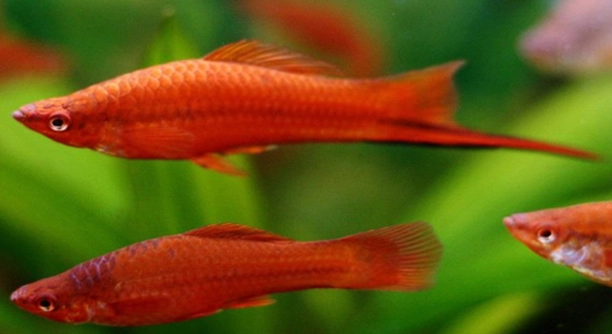
Are your swordtails swimming around but barely acknowledging each other in the tank? This behavior can feel confusing and even a little disappointing. It’s normal to wonder if something might be wrong with their environment or social habits.
Swordtails often ignore each other due to stress, poor tank conditions, or mismatched temperaments. Factors such as overcrowding, lack of hiding spots, or incorrect water parameters can impact their behavior and social interactions, making them seem distant or uninterested.
Understanding the key reasons behind this behavior can help improve your tank’s atmosphere and support a healthier, more engaging fish community.
Common Reasons Swordtails Ignore Each Other
Swordtails may ignore each other for several reasons, most of which relate to their comfort and environment. One common issue is stress caused by poor water quality or sudden changes in the tank. Ammonia spikes, incorrect pH levels, and unstable temperatures can all make swordtails withdrawn. Another factor could be overcrowding or lack of hiding spaces, which makes it hard for them to feel secure. In some cases, personality differences or gender imbalance in the group can cause them to avoid each other. Males may also behave less socially if there are too many of them competing for space or attention. New additions to the tank can also lead to a temporary period of adjustment where fish keep their distance. Sometimes, ignoring behavior is simply part of their daily rhythm, especially if they feel safe and unthreatened.
Other times, the tank setup doesn’t give swordtails enough places to swim freely or rest securely.
Giving swordtails space, hiding spots, and clean water helps reduce stress and brings out more natural behaviors, including social interactions.
How to Encourage More Interaction
Start by checking your water parameters and tank size. A clean, spacious environment creates a peaceful space for swordtails to feel relaxed and interact naturally.
In a well-maintained tank, swordtails often become more active and social. A good balance is one male for every two or three females to prevent stress and aggression. Decorate the tank with plants and rocks to offer hiding spaces and break lines of sight, which reduces tension. Feeding a varied diet keeps them healthy and may also improve mood and energy. Make sure the tank isn’t too busy with other fish that compete for space or cause intimidation. If you recently introduced new swordtails, allow them time to adjust. Avoid tapping on the glass or changing tank conditions too often. Observing quietly gives them time to settle in and feel secure. With consistency, they usually begin to interact more and display natural group behaviors.
Environmental Factors That Affect Behavior
Tank conditions play a big role in how swordtails behave. If the lighting is too harsh or the temperature keeps shifting, they may act distant. A loud or high-traffic area near the tank can also cause them to stay apart more than usual.
Temperature should stay between 72°F and 82°F, and the tank should be in a calm spot away from constant motion or noise. Sudden water changes or dirty filters disrupt their environment and lead to behavior changes. Keep the tank clean and make changes slowly to avoid shocking the fish. Use plants and ornaments to create shaded areas and reduce lighting stress. Avoid overly strong filters that may create heavy currents. Swordtails enjoy moderate flow but also need calm areas. Always test your water regularly and maintain stable readings for ammonia, nitrate, nitrite, and pH. These details make a big difference in keeping your fish calm and more social.
Tank size also matters. Swordtails need space to swim freely, and cramped conditions can make them territorial or withdrawn. A 20-gallon tank is usually the minimum for a small group. Bigger tanks allow for more stable water conditions and natural behavior. When there’s enough space, fish interact more often and more comfortably. Keep decorations balanced—don’t overfill the tank, but include enough shelter so fish can rest. Live plants also help improve water quality, which makes your swordtails feel safer. Add some floating plants to reduce surface stress, especially if your lighting is strong. All these environmental factors contribute to how secure and social your fish will be. When everything is set up well, swordtails are more likely to engage and swim together peacefully.
Behavioral and Social Dynamics
Swordtails have their own personalities, and some may naturally keep to themselves more than others. Males can be territorial, especially if there are too many of them. This creates tension and makes fish avoid one another to reduce stress.
Introducing new fish can also cause temporary distance. Swordtails need time to adjust to new tank mates. It’s normal if they ignore each other for the first few days. Over time, they establish a pecking order, and things often balance out. Keeping a proper male-to-female ratio helps reduce pressure and encourages healthier group behavior. If a fish seems constantly isolated or hides all day, check for signs of bullying, illness, or injury. Sometimes, subtle aggression makes others stay away. Watch closely during feeding times to see how they interact. If one fish is always left out, it may be time to adjust your tank’s group or setup.
Signs Your Swordtails Are Adjusting
If your swordtails are exploring the tank more and spending time near each other without chasing, that’s a good sign. They may also eat at the same time and rest near similar areas, showing they feel safe and settled.
You might notice subtle changes like brighter colors or smoother swimming. These signs often mean your swordtails are feeling more comfortable. Less hiding and more calm interaction suggest they are getting used to each other’s presence.
When to Be Concerned
If one swordtail stays hidden most of the time or appears pale, it could be stressed or unwell. Constant chasing, torn fins, or refusal to eat should not be ignored. A fish separating itself long-term may be sick or getting bullied. Check for any signs of illness like white spots, bloating, or gasping near the surface. Also look at water test results to rule out poor conditions. In some cases, rehoming an aggressive fish or separating a sick one into a hospital tank might be necessary. Quick action helps prevent the behavior from affecting the rest of the group.
Final Thoughts on Tank Harmony
Sometimes, all it takes is a small change to improve how swordtails interact. Consistency, space, and a balanced group setup go a long way.
FAQ
Why are my swordtails swimming apart all the time?
Swordtails might swim apart if they don’t feel comfortable in the tank. Poor water quality, wrong temperature, or an overcrowded space can make them uneasy. They may also be adjusting to new tank mates or feeling stressed by loud surroundings or sudden changes.
Can swordtails get lonely or depressed?
Swordtails don’t experience loneliness like humans, but they are social fish and tend to do better in small groups. If kept alone or in stressful conditions, they may become less active, hide more often, or show duller colors. A peaceful, stable group helps them stay active.
How many swordtails should I keep together?
A group of at least 3 to 5 swordtails is ideal, with more females than males to reduce stress. A common ratio is one male for every two or three females. This setup encourages natural behavior and prevents excessive chasing and competition among males.
Do swordtails fight with each other?
Yes, especially males. Male swordtails can become territorial or chase each other often. This is more likely when there are too many males or not enough space. If aggression becomes constant or one fish is clearly stressed, consider adjusting the group or adding more hiding spots.
What should I do if one swordtail keeps hiding?
A swordtail that hides all the time may be stressed, sick, or getting bullied. Check for physical symptoms like spots, bloating, or damaged fins. Test the water quality and watch how the other fish behave. It may help to isolate the fish for monitoring or recovery.
Why do my swordtails only interact during feeding time?
Some swordtails may keep to themselves outside feeding if the tank lacks hiding spots or feels too exposed. During feeding, food becomes the focus, so they gather. You can improve daily interaction by adding plants, adjusting lighting, and making the tank feel more natural and secure.
Do swordtails have a social hierarchy?
Yes. Swordtails often develop a pecking order, especially when males are present. One male may act more dominant by chasing others or displaying more. As long as it doesn’t lead to injury or constant stress, this behavior is usually normal in small, healthy groups.
Can adding new fish cause swordtails to act differently?
Yes, introducing new fish can shift the tank’s balance and affect how swordtails behave. They may act distant, cautious, or even aggressive until things settle. Give it time and make sure the new fish are peaceful and compatible. Rearranging tank decorations can also help reset territory.
What water parameters do swordtails need to feel comfortable?
They do best in temperatures between 72°F and 82°F, with a pH between 7.0 and 8.4. The tank should be cycled with ammonia and nitrite at 0 ppm and low nitrates. Stable, clean water encourages calm, social behavior in swordtails.
Why is one of my swordtails chasing the others?
This usually happens when a male is trying to mate or show dominance. Too many males, lack of hiding spaces, or not enough females can make chasing more intense. Adjust the male-to-female ratio and provide breaks in sightlines to reduce constant pursuit.
Should I separate an aggressive swordtail?
If one fish continues to cause harm or stress to others, it may be best to isolate it. Long-term aggression can lead to injuries and make the whole tank tense. You can also try reintroducing the fish after rearranging the tank or increasing group size.
Do swordtails change behavior as they age?
Yes, young swordtails are often more active and social. Older fish may slow down or interact less, especially if they’re feeling unwell. Keeping water quality high and maintaining a stress-free tank helps swordtails of all ages stay healthier and more interactive.
Can diet affect swordtail behavior?
Definitely. A poor or unbalanced diet can make swordtails sluggish or irritable. Feed them a mix of flakes, pellets, and occasional protein like brine shrimp or bloodworms. A varied diet supports their health, energy, and overall mood, helping them behave more normally in the tank.
Final Thoughts
Swordtails are peaceful, active fish that usually enjoy swimming with others. When they start ignoring each other, it’s often a sign that something in the tank needs attention. This behavior can come from stress, poor water quality, overcrowding, or even changes in the group’s structure. It might also be temporary, especially if the fish are adjusting to new surroundings or tank mates. These shifts in behavior are often easy to manage once you understand what’s causing them. By observing your fish and checking the tank setup, you can often find small ways to improve how they interact.
Many problems can be avoided by sticking to a few simple steps. First, make sure your tank is large enough to support the group. Swordtails are active and need space to swim freely. Try to keep a balanced ratio of males and females to avoid aggressive chasing. Water quality plays a big role too. Even slight changes in temperature or pH can affect how swordtails behave. Clean water, stable conditions, and the right temperature range keep them healthier and more social. Don’t forget to give them places to hide or rest—plants, decorations, and a good layout help create a calmer space.
Understanding that swordtails may change their behavior based on their environment makes it easier to respond. A fish that keeps to itself one day might be swimming with the group the next, especially if conditions improve. Giving your fish time to adjust is important, but so is acting when you notice something unusual. Regular tank checks, proper feeding, and keeping a calm tank environment go a long way. In the end, swordtails are fairly easy to care for, and once they feel comfortable, they usually return to their active, social habits. Paying attention to their behavior is one of the best ways to keep them happy and thriving.

Hello,
If you enjoy the content that we create, please consider saying a "Thank You!" by leaving a tip.
Every little bit helps us continue crafting quality advice that supports the health, happiness, and well-being of pets around the world, for pets of all shapes, sizes, and species.
We really appreciate the kindness and support that you show us!