
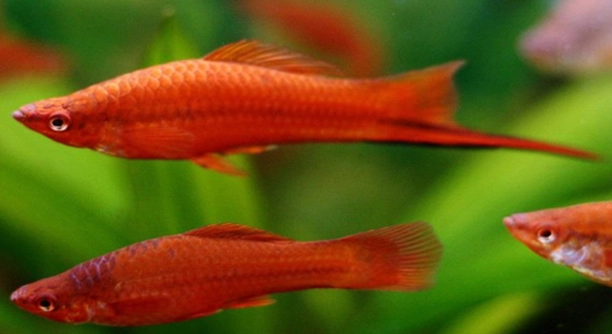
Swordtails are popular aquarium fish, known for their vibrant colors and lively nature. However, some owners notice that their swordtails often hang at the back of the tank, which can be puzzling and concerning.
The most common reason your swordtails are always at the back of the tank is stress or discomfort. Factors like poor water quality, an overcrowded tank, or aggressive tankmates can lead them to seek refuge in the corner for safety.
By identifying and addressing the causes of their behavior, you can create a more peaceful environment. With the right steps, your swordtails will feel more comfortable and may start swimming freely throughout the tank again.
Poor Water Quality
One of the most common reasons swordtails retreat to the back of the tank is poor water quality. These fish thrive in clean, well-maintained water. If the water parameters, like pH, ammonia, nitrate, and nitrite levels, are off, it can cause stress. Dirty water can irritate their skin and gills, leading them to seek safer spots away from the flow. When the water is toxic or polluted, they instinctively look for places where they feel secure. Regular water changes and maintaining a proper filtration system can make a big difference in their comfort.
If the water quality is consistently bad, swordtails may stop moving around freely. They are more likely to stay near the back, where they feel more secure. Testing the water with a reliable kit helps in understanding the exact needs and improving the tank environment.
Keeping the water quality stable is crucial for any fish’s health. Swordtails are no different. Clean water means less stress, which will encourage them to swim more actively and explore the tank.
Overcrowded Tank
If your tank is overcrowded, it may cause your swordtails to seek shelter in the back. When there are too many fish in a small space, it creates stress. Crowding forces swordtails to compete for space and resources, which leads to anxiety.
Swordtails need room to move and establish their own territory. When the tank becomes too full, they lose this freedom and often retreat to quieter corners. This behavior is usually a sign of discomfort, signaling that the fish need more space to feel safe.
To avoid overcrowding, make sure your tank has enough room for the number of fish you have. Swordtails typically need about 10 gallons of water per fish. Ensuring adequate space will help reduce stress and allow your swordtails to swim freely without fear of being jostled by tankmates. Keep an eye on how the tank is growing and adjust accordingly.
Aggressive Tankmates
Swordtails are peaceful fish, but they can become stressed when placed with aggressive tankmates. If your tank has fish that are constantly chasing or bullying them, they will seek out hiding spots. The back of the tank, where they feel safer, is often the preferred place to hide.
Fish like bettas, some cichlids, and other territorial species can cause swordtails to retreat. Swordtails are not as aggressive, and they need a calm environment to thrive. If they’re constantly threatened, they will stay away from the center of the tank, avoiding the aggression by retreating to less exposed areas.
To solve this, try removing or rehoming the aggressive fish. Adding more plants and decorations can also provide better hiding places and reduce stress. Swordtails will usually be more active and move freely once they feel secure again. Keep their tankmates peaceful to promote a happier, healthier environment.
Water Temperature
Swordtails are sensitive to water temperature. If the temperature fluctuates or is too hot or too cold, they may become lethargic and hide. Swordtails thrive in water that ranges from 72°F to 78°F (22°C to 26°C). Anything outside of this range can cause stress and discomfort.
If the water is too cold, swordtails may seek shelter at the back of the tank, away from the cooler areas. If it’s too warm, they could become sluggish and avoid the middle of the tank, staying close to the back where it’s cooler. Keeping a stable, appropriate temperature will help keep them active and comfortable.
To maintain the right temperature, use a reliable heater and a thermometer. If you notice your swordtails hiding more than usual, check the temperature immediately. Keeping the water at the proper range will ensure they remain healthy and comfortable, reducing their stress and encouraging normal behavior.
Inadequate Hiding Spots
Swordtails may feel more comfortable at the back of the tank if there aren’t enough hiding spots. They like to have places where they can retreat and feel safe, especially when they are stressed or tired.
Without sufficient hiding spots, swordtails will naturally seek out the corners or the back of the tank. This is their way of avoiding stress or danger. Adding plants, rocks, or decorations can provide them with areas to hide, which will help them feel more secure. The more options they have, the more likely they are to roam around the tank.
Creating a well-decorated tank with enough hiding spots reduces the chance of your swordtails becoming too stressed. With safe spaces, they’ll feel less inclined to hide at the back and will be more likely to swim freely.
Light Intensity
Swordtails may retreat to the back of the tank if the light is too intense. These fish prefer moderate lighting, and if it’s too bright, they can become stressed. They tend to avoid well-lit areas to find more subdued, darker spots.
High light levels can cause discomfort, making swordtails seek darker areas like the back of the tank, away from the intensity. Adjusting the lighting to a softer, more natural level can prevent this behavior. It’s important to keep their tank lighting calm to reduce stress.
Tank Size
Swordtails need space to swim and feel comfortable. A tank that is too small will make them feel cramped and insecure. This can lead to them staying near the back of the tank, avoiding the middle and front areas.
FAQ
Why do swordtails hide at the back of the tank?
Swordtails hide at the back of the tank due to stress, discomfort, or environmental factors. Poor water quality, aggressive tankmates, lack of hiding spots, and unsuitable tank conditions, such as overcrowding or improper temperature, can make them feel unsafe. They retreat to the back as a way to avoid feeling exposed or threatened. Ensuring a peaceful environment, stable water conditions, and enough space for swimming can encourage swordtails to move around the tank more freely.
Can swordtails be kept with other fish?
Yes, swordtails are generally peaceful and can be kept with many other species. However, it’s important to choose compatible tankmates. Avoid placing them with aggressive fish like bettas or territorial cichlids, as they can cause stress and make swordtails retreat. Peaceful fish like tetras, guppies, and other livebearers are usually good companions for swordtails. Always consider the temperament and size of tankmates before adding them to your aquarium.
How can I make my swordtails feel more comfortable?
To make swordtails feel more comfortable, ensure their tank is well-maintained with clean, properly filtered water. Provide hiding spots such as plants, rocks, or decorations where they can retreat when needed. Ensure the tank is not overcrowded, and keep the water temperature between 72°F and 78°F (22°C to 26°C). Additionally, minimize aggressive tankmates to reduce stress and help your swordtails feel safe. These steps will encourage them to swim more freely throughout the tank.
How often should I change the water in my swordtail tank?
Water changes are essential to maintaining a healthy environment for swordtails. It’s recommended to change about 20-30% of the water every 1-2 weeks, depending on tank size and fish population. Regular water changes help keep toxins like ammonia and nitrates at safe levels. In tanks with more fish or if the tank is smaller, you may need to change the water more frequently. Always test the water parameters to ensure they’re within the appropriate range for your swordtails.
What should I feed my swordtails?
Swordtails are omnivores and enjoy a varied diet. Offer them high-quality flakes or pellets designed for tropical fish, supplemented with occasional live or frozen foods like brine shrimp or daphnia. You can also provide plant matter such as blanched spinach or algae wafers. Feed your swordtails small amounts 2-3 times a day, ensuring they finish their food within a few minutes to prevent overfeeding and water quality issues.
How can I tell if my swordtails are healthy?
Healthy swordtails should have vibrant colors, clear eyes, and active swimming behavior. They should swim confidently through the tank, without excessive hiding or lethargy. Their fins should be intact, and their bodies should be free from lesions, spots, or swelling. Healthy swordtails also display normal eating habits and respond to feeding time. If you notice any signs of illness, such as faded colors, unusual swimming behavior, or loss of appetite, you should test the water and consider isolating them in a quarantine tank to address any health issues.
How can I prevent swordtail fry from being eaten?
Swordtails are livebearers, and their fry can be eaten by adult fish, including their parents. To protect the fry, consider adding plants or decorations to the tank, which can offer hiding places. Alternatively, you can move the pregnant female to a breeding box or a separate breeding tank before she gives birth. Once the fry are born, return the mother to the main tank. After a few weeks, the fry will be large enough to swim safely among the adults without being eaten.
What size tank is best for swordtails?
Swordtails need a tank that provides ample swimming space. A minimum of a 20-gallon tank is recommended for a small group of swordtails. If you plan to keep multiple swordtails or other fish, a larger tank will be necessary. Swordtails thrive when they have plenty of room to move around, so always ensure the tank is adequately sized for the number of fish. Overcrowding can lead to stress and other issues, such as aggression and poor water quality.
Can swordtails live with snails?
Yes, swordtails can generally live with snails. Snails are peaceful and won’t harm your swordtails. In fact, they can help maintain the tank by eating algae and detritus. However, some species of snails, like the larger ones, might try to eat swordtail eggs if you’re breeding them. It’s a good idea to keep an eye on the tank to ensure that the snails don’t disrupt the swordtail fry or eggs. If you want to breed swordtails, consider keeping snails out of the breeding tank.
Why are my swordtails swimming in circles?
Swimming in circles or erratically can be a sign of stress, illness, or poor water quality. First, check the water parameters to make sure the tank’s environment is safe. High ammonia or nitrate levels can irritate the fish and cause them to swim erratically. In some cases, parasites or infections can lead to unusual swimming patterns. If the water is fine, observe the swordtails for any signs of illness or injury. If the behavior persists, consult a veterinarian or aquarium expert to rule out disease.
Final Thoughts
Swordtails are vibrant and active fish that add beauty to any aquarium, but it’s important to ensure they feel safe and comfortable in their environment. If you notice your swordtails spending most of their time at the back of the tank, it’s a sign that something may not be right. Factors like poor water quality, overcrowding, and incompatible tankmates can all contribute to their stress. By addressing these issues, you can help your swordtails feel more at ease and encourage them to swim around the tank more freely.
Creating a balanced and peaceful environment is key to swordtail happiness. Regular water changes, maintaining proper temperature levels, and providing plenty of hiding spots are just a few steps to make your swordtails feel secure. It’s also essential to keep their tankmates peaceful, as aggressive or territorial fish can cause unnecessary stress. With the right care and attention, swordtails will likely become more active and less inclined to retreat to the back corners of the tank.
In conclusion, understanding the factors that affect your swordtails’ behavior will allow you to make necessary adjustments and create a more enjoyable environment for them. Whether it’s improving water quality, adjusting the tank’s setup, or selecting suitable tankmates, small changes can go a long way in enhancing your swordtails’ health and overall well-being. Keep monitoring their behavior and environment, and with patience and care, you’ll see your swordtails swimming happily throughout the tank once again.

Hello,
If you enjoy the content that we create, please consider saying a "Thank You!" by leaving a tip.
Every little bit helps us continue crafting quality advice that supports the health, happiness, and well-being of pets around the world, for pets of all shapes, sizes, and species.
We really appreciate the kindness and support that you show us!