
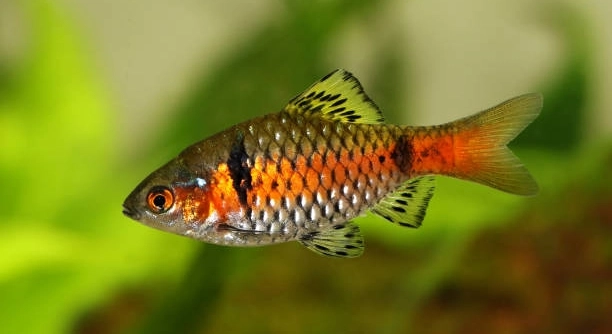
Are your rosy barbs constantly swimming against the filter in your aquarium? This behavior can be confusing and may seem concerning for your fish’s wellbeing. Understanding the reasons behind this action is important for any fish keeper.
Rosy barbs swimming against the filter usually indicate they are seeking stronger water flow or more oxygen. This behavior is natural and often shows their preference for well-oxygenated and moving water, which helps simulate their natural habitat conditions.
Knowing why your rosy barbs behave this way helps you create a better environment for them. There are simple adjustments that can improve their comfort and health in your tank.
Why Rosy Barbs Like Strong Currents
Rosy barbs come from rivers and streams where the water is always moving. In an aquarium, they often swim against the filter because they enjoy the feeling of flowing water. This movement helps them stay active and healthy. Swimming in the current also encourages better breathing by increasing water circulation around their gills. When the water is still, they may feel bored or stressed. Strong currents can help reduce stress by mimicking their natural environment. If the flow is too weak, rosy barbs might search for stronger spots, usually near the filter outlet. They are also social fish, and swimming together in the current creates a sense of safety and comfort. When you notice your rosy barbs doing this, it means they are responding to their instincts. You can adjust the filter or add a powerhead to keep them happy. It’s a small change that makes a big difference for their wellbeing.
Providing a flow that matches their needs helps keep rosy barbs active and less prone to illness.
Adjusting water flow is an easy way to improve your tank’s environment. Watch your fish’s behavior after changes to find the right current strength. Sometimes, you might need to reposition the filter or use a spray bar to spread the flow more evenly. Make sure the flow is not too strong to tire them out but enough to keep them engaged. This balance helps your rosy barbs thrive and enjoy their aquarium. Keeping water clean and oxygen-rich supports their health too, so regular maintenance matters. By paying attention to these details, your rosy barbs will feel comfortable and swim happily throughout the tank.
Signs of Stress Related to Water Flow
Rosy barbs swimming against the filter can also show stress or discomfort.
If the current is too strong or water quality is poor, rosy barbs may appear restless or hide more often. Stress can weaken their immune system and make them vulnerable to diseases. Signs to watch for include clamped fins, faded colors, or slowed movements. Sometimes, they may dart quickly or gasp near the surface, which signals low oxygen levels. To help, check the filter and tank conditions regularly. Reducing water flow or improving oxygenation may be necessary. Adjusting the environment to their needs ensures they feel secure. Remember, each fish may have slightly different preferences for flow strength. Observing how they react can guide you in creating the best setup. Ensuring a calm and healthy environment keeps your rosy barbs active and beautiful over time.
Adjusting Filter Flow for Rosy Barbs
Too strong a filter flow can tire rosy barbs quickly. Finding the right balance is key for their comfort.
To reduce strong currents, you can adjust the filter output or add decorations to break the flow. Using a spray bar or redirecting the flow toward a tank wall helps create gentler water movement. It’s important not to block the filter entirely, as water circulation and oxygen levels must stay adequate. By controlling flow speed, your rosy barbs will swim more naturally and rest when needed.
Pay attention to how your fish react after changes. If they still struggle against the current or hide, the flow might still be too strong or uneven. Fine-tuning this can take time, but it’s worth it. A well-adjusted flow keeps your rosy barbs happy and active, which is easier than treating stress-related illnesses later.
Improving Oxygen Levels in the Tank
Proper oxygen levels are essential for rosy barbs’ health and energy.
Low oxygen makes them swim near the filter outlet, where water is better aerated. To boost oxygen, increase surface agitation with airstones or powerheads. Regular water changes also help maintain oxygen balance. Without enough oxygen, fish become lethargic and weak, affecting their immune system. Keep the tank clean and well-maintained to support oxygen circulation.
Also, avoid overcrowding your tank. More fish mean less oxygen per individual. Monitoring oxygen levels and adjusting tank equipment ensures a healthier environment for your rosy barbs. Simple steps like increasing surface movement and keeping water clean make a big difference.
Tank Setup and Decoration
Plants and decorations can help slow down water flow in certain areas of the tank. This creates calm spots where rosy barbs can rest.
Adding driftwood or rocks near the filter outlet breaks the current and reduces its strength. These changes make the tank feel more natural for your fish.
Feeding Habits and Swimming Behavior
Rosy barbs may swim near the filter when they search for food particles carried by the current. They often explore all tank areas during feeding times, which can include the filter outlet. This behavior is normal and shows their active nature.
Monitoring Water Quality
Regular water testing helps ensure good living conditions. Poor water quality can stress fish, causing unusual swimming patterns.
Why are my rosy barbs always swimming against the filter?
Rosy barbs often swim against the filter because they are instinctively drawn to flowing water. In their natural habitat, they live in rivers and streams where water moves constantly. Swimming against the current helps them exercise and stay healthy. The flow also brings more oxygen, which they need for better breathing. Sometimes, they may be searching for food particles that float near the filter output. This behavior is normal as long as the flow isn’t too strong to cause stress or exhaustion.
Can swimming against the filter be a sign of stress or illness?
Yes, sometimes constant swimming against a strong current can indicate stress or health problems. If the flow is too powerful, it may tire the fish or make them feel unsafe. Stress can also come from poor water quality, low oxygen levels, or overcrowding. Look for other signs like faded colors, clamped fins, or erratic swimming. If you notice these symptoms, test your water parameters and adjust the filter flow. Improving tank conditions usually helps reduce stress and restore normal behavior.
How can I adjust the filter flow to suit my rosy barbs?
To make the filter flow more comfortable, try redirecting the filter outlet toward a tank wall or use a spray bar attachment to spread water more evenly. You can also place decorations or plants near the outlet to break the current and create calmer zones. Avoid blocking the filter completely, as good water circulation is necessary. Adjust gradually and observe your fish’s reaction. The goal is a gentle flow that keeps water moving without tiring your rosy barbs.
Is it necessary to increase oxygen levels if my rosy barbs swim near the filter?
Increasing oxygen levels can help if your fish are often near the filter outlet, which usually has higher oxygen content. You can add air stones or powerheads to improve surface agitation, which increases oxygen exchange. Regular water changes also keep oxygen levels stable. If your tank is overcrowded or has poor water quality, oxygen might be too low, causing your fish to seek areas with better aeration. Maintaining good oxygen levels supports their health and activity.
Does tank decoration affect rosy barbs’ swimming behavior?
Yes, plants, rocks, and driftwood help shape water flow inside the tank. These decorations create calm spots where rosy barbs can rest and hide from strong currents. Without such areas, fish may feel forced to swim against the filter continuously, leading to exhaustion. Arranging decorations thoughtfully allows your fish to choose between moving water and peaceful zones, making their environment more comfortable and natural.
Can feeding habits influence why rosy barbs swim near the filter?
Sometimes, yes. Food particles often float in the current and gather near the filter output. Rosy barbs are active feeders and like to explore the tank for bits of food. This can cause them to swim against or near the filter during feeding times. This behavior is normal and not a cause for concern as long as the tank conditions are good.
How often should I test water quality to prevent stress in rosy barbs?
Regular testing is important, ideally once a week or at least every two weeks. Key parameters to monitor include ammonia, nitrite, nitrate, pH, and temperature. Poor water quality can stress fish and cause abnormal behavior like swimming against the filter. Keeping these levels stable and within the recommended range for rosy barbs will help maintain their health and comfort in the aquarium.
What signs indicate that the filter flow is too strong for my rosy barbs?
If your rosy barbs constantly struggle to swim or look exhausted near the filter, the flow may be too strong. Other signs include hiding in corners, clamped fins, or reduced activity. If you see these, reduce the flow gradually and add decorations to break the current. A balanced flow lets your fish swim naturally without overexertion.
Should I consider the size of my tank when setting filter flow?
Absolutely. Smaller tanks need gentler flow to avoid stressing the fish, while larger tanks can handle stronger currents. The type of filter also matters; some produce very powerful water movement. Match the filter strength to your tank size and your rosy barbs’ needs. A gentle, even current is ideal for their wellbeing.
Can poor water quality cause rosy barbs to swim against the filter more often?
Yes, poor water quality can cause fish to seek better oxygenated areas near the filter. High ammonia or nitrite levels, improper pH, or dirty water can stress fish, making them behave unusually. Maintaining clean water through regular changes and filtration is essential. If water quality is poor, your fish may try to escape those conditions by staying near the filter outlet where water is fresher.
What else can I do to keep my rosy barbs healthy and comfortable?
Besides adjusting filter flow and maintaining water quality, provide a balanced diet and avoid overcrowding. Keep tank temperature stable, around 64–72°F (18–22°C), which is ideal for rosy barbs. Observe their behavior daily and act quickly if you notice stress signs. Creating a well-planned tank environment helps your fish thrive and enjoy their home.
How long does it usually take for rosy barbs to adjust to a new flow setting?
Adjustment times vary but usually range from a few hours to a couple of days. After changing filter flow or decorations, watch your fish closely. If they swim comfortably and explore all tank areas, the flow is right. If they continue to struggle or hide, further adjustments might be needed. Patience is key when finding the best setup for your rosy barbs.
Adjusting to your rosy barbs’ needs is important to keep them healthy and happy. Their habit of swimming against the filter often reflects natural behavior. They like flowing water because it reminds them of their river home. This movement helps them breathe better and stay active. Sometimes, they may swim in the current to find food or just because they enjoy the feeling of moving water. However, if the flow is too strong or the water quality is poor, it can cause stress. Paying attention to these signs helps you create a better tank environment.
It’s important to find the right balance with your filter’s flow. Too strong a current can tire your fish or make them anxious. Using decorations like plants, rocks, or driftwood can help slow the water near the filter. This gives your rosy barbs places to rest and feel safe. You can also adjust the filter output or use attachments to spread the water more evenly. Observing how your fish respond after changes will guide you to the best setup. With patience and small adjustments, you can provide a comfortable home for your rosy barbs.
Maintaining good water quality is just as important as managing water flow. Regular water testing, cleaning, and partial water changes keep oxygen levels healthy and remove harmful substances. Clean water helps reduce stress and illness. Overcrowding or poor diet can also affect your rosy barbs’ wellbeing. By keeping an eye on their behavior and tank conditions, you can prevent problems before they start. A well-cared-for aquarium means your rosy barbs will swim happily, showing off their beautiful colors and lively personalities every day.

Hello,
If you enjoy the content that we create, please consider saying a "Thank You!" by leaving a tip.
Every little bit helps us continue crafting quality advice that supports the health, happiness, and well-being of pets around the world, for pets of all shapes, sizes, and species.
We really appreciate the kindness and support that you show us!