
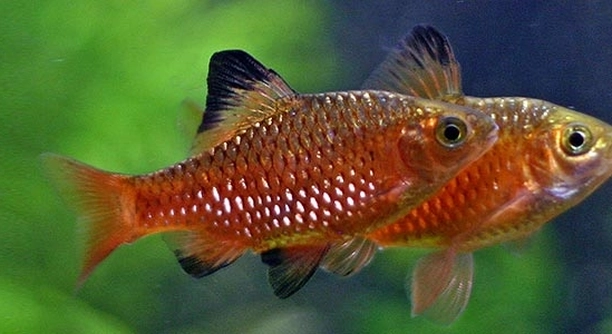
Rosy Barbs are a popular choice for many aquarium enthusiasts due to their vibrant colors and lively behavior. However, some owners notice their Rosy Barbs are mostly active during nighttime hours. This pattern can be surprising when expecting daytime activity.
Rosy Barbs display nocturnal activity as a natural behavior influenced by environmental conditions, light exposure, and predator avoidance. Their activity levels rise at night when the tank is darker, providing a sense of safety and comfort for movement and feeding.
Understanding this behavior will help you create a better environment for your Rosy Barbs and improve their overall well-being in your aquarium.
Why Rosy Barbs Are More Active at Night
Rosy Barbs are naturally more active during the evening and nighttime hours because their instincts guide them to avoid predators and conserve energy during the day. In their natural habitats, many fish adjust their activity based on light and safety. The dimmer environment at night offers them a sense of security, encouraging swimming and feeding behaviors. During the day, bright light can make them feel vulnerable, so they often rest or stay hidden among plants and decorations. This behavior is not a sign of illness or stress but rather an adaptation to their surroundings. Understanding this helps aquarium owners provide better care by adjusting tank lighting and environment to match these natural rhythms.
The lower light levels in the tank at night help Rosy Barbs feel safe and more comfortable to move actively and explore.
To support their natural patterns, consider providing shaded areas or plants in your tank to give your Rosy Barbs daytime shelter. Adjusting the light schedule to mimic dawn and dusk can also encourage more balanced activity throughout the day and night. A calm, stable environment makes them feel secure and helps maintain healthy behavior.
Adjusting Tank Conditions for Better Activity
Reducing the intensity of the aquarium light during the day can make a big difference in Rosy Barbs’ daytime activity. Bright, constant light may cause them to hide more often, leading to less visible swimming and interaction. Using timers to simulate natural light cycles, including gradual dimming and brightening, encourages more natural behaviors. Additionally, adding plants or decorations where they can retreat creates safe spots to reduce stress.
Proper feeding routines also impact activity levels. Feeding small amounts multiple times a day during their active periods supports energy needs without overfeeding. This approach encourages movement and playfulness during the day and night. Monitoring water quality and temperature is essential, as poor conditions can make fish lethargic regardless of light or environment. Maintaining stable water parameters keeps Rosy Barbs healthy and more lively. Creating a natural, secure habitat with appropriate lighting and feeding schedules helps balance their activity patterns.
Feeding Habits of Rosy Barbs
Rosy Barbs tend to feed more actively during low light conditions, which aligns with their increased nighttime activity.
Feeding them smaller portions several times a day mimics their natural feeding pattern. This approach prevents overfeeding and encourages them to stay active while searching for food. Avoid feeding large amounts at once, as it can lead to leftover waste, affecting water quality. Fresh or high-quality flakes, pellets, and occasional live food suit their diet well, supporting energy and health.
Providing food during dimmer light phases helps Rosy Barbs feel safer and more comfortable while eating. This timing encourages natural behavior and reduces stress compared to feeding under bright lights. Adjust feeding times to early morning or evening when they are more likely to be active and responsive.
Tank Lighting and Its Impact
Proper lighting is essential to balance Rosy Barbs’ activity levels and overall well-being. Bright, continuous lighting can make them hide more and reduce visible activity.
Using a timer for gradual light changes simulates dawn and dusk, supporting their natural rhythms. Dim lighting encourages exploration and movement without causing stress. Plants and decorations help diffuse light, creating shaded areas where they can rest safely. Matching the light cycle to their natural environment helps maintain healthy behavior and energy throughout the day and night. Consistent light schedules also reduce stress and prevent sudden changes that may disturb their patterns.
Tank Environment and Hiding Spots
Rosy Barbs feel safer with plenty of plants and hiding places in the tank. These spots help reduce stress and encourage activity during the day.
A well-decorated tank with natural hiding spots makes them more comfortable and less likely to stay hidden all day.
Temperature’s Role in Activity
Temperature affects Rosy Barbs’ metabolism and activity. Keeping the tank between 72°F and 78°F supports their natural energy levels. Temperatures outside this range can make them sluggish or overly stressed, reducing movement and feeding behavior. Consistent temperature control helps maintain their regular activity patterns.
Avoiding Overcrowding
Overcrowded tanks cause stress and limit movement. Ensuring enough space allows Rosy Barbs to swim freely and behave naturally.
FAQ
Why are my Rosy Barbs only active at night?
Rosy Barbs naturally become more active during low light conditions, often at night. This behavior helps them avoid predators and feel safer. Bright daytime light can make them more cautious, so they tend to rest or hide more. Nighttime provides a dimmer, calmer environment where they feel comfortable swimming and feeding.
Is it normal for Rosy Barbs to hide during the day?
Yes, it is normal. Rosy Barbs often seek shelter during daylight to avoid stress from bright lights or perceived threats. Providing plants and decorations helps them feel secure. As long as they come out to eat and swim during low light, hiding is a natural part of their routine.
How can I encourage my Rosy Barbs to be more active during the day?
Adjust the tank’s lighting by using a timer to create gradual light changes that mimic natural dawn and dusk. Adding plants or shaded areas reduces harsh light. Feeding during early morning or late afternoon when light is softer also encourages daytime activity.
What kind of lighting is best for Rosy Barbs?
Soft, adjustable lighting that replicates natural cycles works best. Timers help create gradual light transitions. Avoid very bright or constant lighting, as it can stress the fish and cause them to hide more often. Including plants to diffuse light helps create a comfortable environment.
How often should I feed my Rosy Barbs?
Feed small amounts two to three times a day to match their natural feeding habits. This prevents leftover food that can spoil water quality. Feeding during their active periods, like early morning or evening, encourages them to eat and swim more.
Can poor water quality affect their activity?
Yes, poor water quality can cause lethargy and reduce activity. Ammonia, nitrites, or incorrect pH levels stress the fish and affect their health. Regular water testing and changes keep the tank clean and support healthy movement and behavior.
Does tank size affect their activity levels?
A larger tank allows Rosy Barbs more space to swim and explore, increasing their activity. Overcrowded tanks cause stress and reduce movement. Providing enough room and hiding spots creates a comfortable environment for natural behaviors.
Are Rosy Barbs nocturnal fish?
They are not strictly nocturnal but show increased activity in low light conditions. Their behavior adapts to safety and comfort, often making them more active at night or during dim lighting periods.
What temperature is ideal for Rosy Barbs’ activity?
Maintaining a temperature between 72°F and 78°F keeps their metabolism stable and supports regular activity. Temperatures too high or too low can make them sluggish or stressed, affecting movement and feeding habits.
Can stress cause changes in activity patterns?
Yes, stress from poor water conditions, overcrowding, or sudden changes in environment can alter their behavior. Stressed fish may hide more or become less active. Maintaining stable tank conditions and minimizing disruptions helps keep them healthy and active.
Is it normal for Rosy Barbs to be inactive sometimes?
Yes, periods of rest or inactivity are normal, especially during the day when they feel less safe. As long as they eat well and swim during active periods, occasional rest is part of their natural rhythm.
How do I know if inactivity is a health issue?
If Rosy Barbs stop eating, show signs of illness like faded colors, clamped fins, or abnormal swimming, inactivity may indicate health problems. In such cases, check water quality, temperature, and consider consulting a vet or fish expert.
Will changing the light schedule suddenly affect their behavior?
Sudden changes in lighting can stress Rosy Barbs, causing erratic or reduced activity. Gradual adjustments using timers help them adapt smoothly, preserving their natural daily rhythms.
Are live plants better for Rosy Barbs’ activity than artificial ones?
Live plants improve water quality and create natural hiding spots, which can encourage more activity and reduce stress. Artificial plants provide shelter but do not offer the same benefits for water health.
Can Rosy Barbs live well in community tanks with other fish?
Yes, Rosy Barbs are generally peaceful and do well with other non-aggressive species. A balanced community tank encourages natural behaviors, but overcrowding or aggressive tank mates can reduce their activity and cause stress.
Rosy Barbs showing more activity at night is a natural behavior linked to their instincts and environment. They tend to feel safer and more comfortable moving around in low light, which reduces their risk of being threatened by predators. This pattern is common among many fish species and does not necessarily mean something is wrong with your tank or their health. Understanding this helps aquarium owners provide a better habitat that suits the fish’s natural rhythm. By adjusting factors like lighting, tank setup, and feeding times, it is possible to encourage more balanced activity throughout the day and night.
Creating a suitable environment for Rosy Barbs involves paying attention to light intensity and duration. Using timers to simulate natural day and night cycles helps them adapt and feel secure. Including plants and hiding spots gives them places to rest during bright daylight and explore during dimmer times. Feeding schedules also play a key role. Offering food during early morning or evening hours aligns with their active periods, encouraging movement and healthy behavior. Keeping the water clean and maintaining stable temperature further supports their well-being and activity levels.
Overall, Rosy Barbs’ nighttime activity is part of their natural behavior and should not be a cause for concern. With the right care, including proper lighting, a comfortable tank environment, and appropriate feeding routines, these fish will thrive. Being patient and observing their patterns helps aquarium owners understand their needs better. This knowledge leads to a healthier, happier tank where Rosy Barbs can display their vibrant colors and lively personalities, whether by day or night.

Hello,
If you enjoy the content that we create, please consider saying a "Thank You!" by leaving a tip.
Every little bit helps us continue crafting quality advice that supports the health, happiness, and well-being of pets around the world, for pets of all shapes, sizes, and species.
We really appreciate the kindness and support that you show us!