
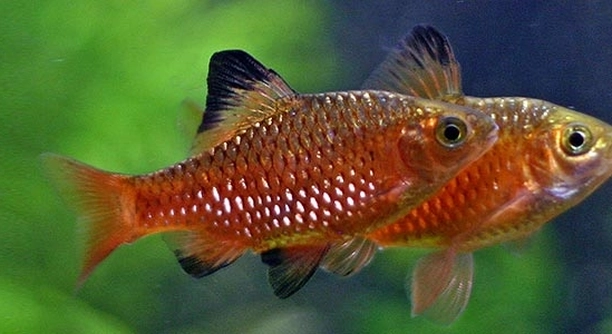
Are your rosy barbs spending most of their time hiding behind plants in the aquarium? This behavior is quite common and can be caused by several environmental and social factors affecting their comfort and well-being. Understanding why they choose these spots can help you create a better habitat for them.
Rosy barbs often stay behind plants to feel secure, reduce stress, or avoid aggressive tank mates. Dense vegetation mimics their natural environment, providing shelter and reducing exposure to light or disturbances, which promotes their sense of safety and comfort.
Learning more about these factors will help improve your rosy barbs’ environment and encourage healthier, more active behavior. This article explores practical ways to support their natural instincts and needs.
Reasons Rosy Barbs Hide Behind Plants
Rosy barbs often retreat behind plants because they seek a sense of security. Aquariums can sometimes feel exposed to them, especially if there are sudden movements or bright lights. Plants provide natural cover, allowing them to feel less vulnerable. Additionally, tank mates play a role—if other fish are more aggressive or territorial, rosy barbs may hide to avoid confrontation. Another factor is water quality and temperature; if these are not ideal, fish may become stressed and look for calm spots to rest. Plants create a quieter, more stable area in the tank. Sometimes, shy or new rosy barbs use plants to adjust to their environment slowly before becoming more active. In many cases, this behavior is normal, but it can signal that adjustments are needed in the tank setup or care routine. Watching their behavior over time will help you determine if changes are necessary.
Hiding is a natural behavior for rosy barbs and often indicates their need for comfort and safety within the tank environment.
Knowing why your fish hide behind plants helps in adjusting lighting, tank mates, and environment for a more balanced and stress-free habitat.
How Tank Setup Influences Behavior
The layout of your tank strongly impacts how rosy barbs behave. Dense plant growth offers shelter and encourages natural instincts like exploring and hiding. Without enough plants or hiding spots, fish can become stressed and anxious, leading to more hiding or even illness. The type of plants matters, too; broad-leafed plants give more cover, which can be calming. Open swimming areas should also be balanced with these hiding places so fish feel safe but still have room to move freely. Tank size and filtration can influence water flow and quality, which affect the fish’s comfort level. A well-planned aquarium with suitable plants and clean, stable water conditions reduces stress and encourages rosy barbs to be more visible and active during the day.
Proper tank setup that balances open space and plant cover supports rosy barbs’ natural behavior, promoting both activity and rest in comfortable areas.
Creating a habitat with thoughtful plant placement, stable water parameters, and compatible tank mates helps reduce stress and encourages rosy barbs to thrive. Regular maintenance and observation can prevent common problems and improve their overall health. This setup not only benefits the fish but also makes the aquarium more enjoyable to watch. Ensuring that your rosy barbs have options to hide and explore is key to their well-being. Adjusting the tank environment based on your fish’s behavior allows you to respond quickly to their needs, making your aquarium a peaceful and attractive home for them.
Signs of Stress in Rosy Barbs
Stress in rosy barbs often shows through changes in behavior, such as hiding more frequently behind plants or staying still. They may lose their vibrant colors or stop eating. Sudden darting or gasping at the water surface can also signal discomfort or poor water conditions.
Stress can be caused by poor water quality, incorrect temperature, or aggressive tank mates. Inadequate hiding spots increase anxiety, especially if the tank is overcrowded. Stress weakens their immune system, making them prone to diseases. Regular water testing, maintaining proper temperature, and providing enough plants and decorations can reduce stress. Observing their behavior daily helps catch early signs and allows quick adjustments to improve their well-being.
Stress reduces fish activity and lifespan if left unchecked. Providing a calm environment with clean water and balanced social interactions supports their health. A peaceful tank where rosy barbs feel secure helps them regain confidence and display natural behaviors.
Improving Rosy Barb Comfort
Providing plenty of plants and decorations gives rosy barbs natural hiding spots, reducing stress and encouraging them to explore the tank. Soft lighting and stable water parameters further create a comfortable environment.
Adding floating plants softens bright light and offers cover near the surface, where rosy barbs often swim. Rearranging tank decor occasionally helps maintain interest and gives fish new places to explore. Keeping tank water clean and within recommended temperature ranges is essential. Using gentle filtration reduces strong currents that may cause unease. When introducing new tank mates, ensure they are peaceful and compatible to avoid aggression. These adjustments promote active, healthy behavior and reduce hiding.
Regularly checking water quality and providing a variety of plants help maintain a balanced habitat. Ensuring a calm, secure environment supports rosy barbs’ natural instincts and improves their overall happiness in the aquarium.
Common Tank Mates to Avoid
Aggressive or overly territorial fish can cause rosy barbs to hide frequently. Avoid housing them with fin-nippers or large predatory species. Peaceful, similarly sized fish usually make better companions.
Choosing compatible tank mates reduces stress and encourages natural social behavior among rosy barbs. Compatibility is key for a balanced community tank.
Feeding Habits and Hiding Behavior
Rosy barbs may hide when feeling insecure during feeding times, especially if food competition is high. Providing multiple feeding spots helps reduce stress and ensures all fish get enough nutrition.
A calm feeding environment with ample space prevents dominance and allows shy fish to feed comfortably.
Adjusting Lighting for Comfort
Bright lighting can make rosy barbs seek shade behind plants. Adjusting light intensity or duration creates a more natural and relaxing environment for them.
Using dimmable or indirect lighting helps mimic their natural habitat and reduces stress.
Monitoring Water Quality
Maintaining stable water parameters is essential for rosy barbs’ health. Sudden changes in pH, ammonia, or nitrate levels can increase hiding behavior and stress.
Regular water testing and prompt corrections keep the environment safe and comfortable for the fish.
Why do rosy barbs hide behind plants so often?
Rosy barbs hide behind plants mainly to feel safe. Plants provide cover, which helps them avoid stress from bright light, sudden movements, or more aggressive tank mates. This hiding behavior is normal, especially when they are new to the tank or adjusting to changes in their environment.
Is hiding a sign of illness in rosy barbs?
Not always. Hiding can be normal, but if it’s accompanied by other signs like loss of appetite, faded color, or lethargy, it may indicate illness or stress. In such cases, checking water quality and observing other symptoms is important to catch health issues early.
How can I encourage my rosy barbs to be more active?
Providing plenty of plants and decorations for hiding spots while keeping open swimming space encourages activity. Maintaining stable water conditions, gentle lighting, and compatible tank mates also helps. Feeding a balanced diet and minimizing disturbances will make them more confident and active.
Can aggressive tank mates cause rosy barbs to hide?
Yes, aggressive or territorial fish can stress rosy barbs, causing them to hide more. It’s best to choose peaceful tank mates of similar size. If aggression is noticed, separating the fish or rearranging the tank layout to break sight lines may reduce conflict.
Do rosy barbs prefer specific types of plants for hiding?
Rosy barbs tend to prefer dense, broad-leafed plants that provide good cover and create shaded areas. Floating plants also offer shade near the surface. Having a mix of plant types helps replicate their natural habitat and gives them more comfortable hiding spots.
How often should I check water quality for rosy barbs?
Water quality should be checked weekly for parameters like ammonia, nitrite, nitrate, and pH. Stable water conditions reduce stress and encourage healthy behavior. Regular water changes and filter maintenance keep the tank environment safe.
Will rosy barbs stop hiding once they get used to the tank?
Often, yes. New or shy fish usually hide more at first but become more confident as they settle in. If hiding continues for weeks with no other problems, it may be normal personality or tank conditions needing adjustment.
Can lighting affect rosy barbs’ hiding behavior?
Bright or harsh lighting can cause rosy barbs to seek shade behind plants. Using dimmable lights or providing floating plants to soften the light creates a more natural and comfortable environment, reducing hiding.
Should I feed my rosy barbs differently if they are hiding?
Feeding multiple spots in the tank helps shy or hiding fish get food without competition. Offering high-quality, varied food improves health and encourages more activity, which can reduce hiding.
Is tank size important for reducing hiding in rosy barbs?
Yes, a larger tank with enough space for swimming and hiding reduces stress. Overcrowding increases competition and aggression, leading to more hiding. A minimum of 30 gallons is recommended for a small group of rosy barbs.
How does water temperature influence rosy barbs’ behavior?
Rosy barbs prefer water temperatures between 64°F and 72°F (18°C–22°C). Temperatures outside this range can cause stress, leading to hiding or reduced activity. Using a reliable heater and thermometer helps maintain stable temperatures.
What should I do if my rosy barbs are hiding too much?
First, check water quality and tank conditions. Ensure tank mates are peaceful, and provide plenty of plants and hiding spots. Adjust lighting and feeding habits if needed. If hiding persists with signs of illness, consult an aquatic veterinarian or specialist.
Can stress cause health problems for rosy barbs?
Yes, prolonged stress weakens their immune system, making them vulnerable to diseases. Reducing stress by creating a calm, secure environment is key to keeping rosy barbs healthy and active.
How do I introduce new rosy barbs to an established tank to reduce hiding?
Acclimate new fish slowly by floating their bag in the tank to match temperature. Add them during low activity times, and provide plenty of plants or decorations for hiding. Minimizing disturbances during introduction helps them settle quicker.
Are rosy barbs social fish, and does this affect hiding?
Rosy barbs are schooling fish that feel safer in groups. A small school of five or more reduces stress and hiding since they gain confidence from their companions. Keeping them in groups promotes natural behavior and activity.
How can I tell if hiding is due to water quality problems?
If hiding increases after water changes or with poor water test results (high ammonia, nitrite, or nitrate), water quality is likely the issue. Cloudy water, foul smell, or algae growth also indicate problems needing prompt attention.
Rosy barbs spending time behind plants is a common behavior that mostly relates to their need for security and comfort. These fish naturally seek places to hide when they feel stressed or uncertain about their surroundings. Plants provide safe spots that help them feel protected from bright lights, other fish, or sudden movements. Understanding this behavior is important for anyone keeping rosy barbs because it shows how the fish respond to their environment. Rather than worrying when you see them hiding, recognizing it as a sign of their natural instincts can help you create a better aquarium setup for their needs.
Creating a comfortable environment for rosy barbs involves several factors. First, providing plenty of plants and hiding places is essential. This not only makes them feel safe but also encourages natural exploration and activity when they feel secure. Maintaining stable water conditions, including temperature, pH, and cleanliness, also plays a big role in reducing stress. Avoiding aggressive tank mates and ensuring the tank size is appropriate helps the fish feel less threatened. Lighting should be soft or adjustable, as too much brightness can push them into hiding more often. Paying attention to these details supports their health and helps them show their full, colorful appearance.
When rosy barbs hide frequently, it can be a helpful signal that something in their environment needs attention. It is important to regularly check water quality, observe fish behavior, and adjust tank conditions as needed. Sometimes, hiding is simply a part of their personality or a temporary response to change. Other times, it may indicate stress or discomfort that needs correcting. By providing a well-planned, balanced tank with plants, gentle lighting, peaceful companions, and clean water, you give your rosy barbs the best chance to thrive. Understanding their hiding behavior is a step toward creating a calm and healthy aquarium where they can live happily.

Hello,
If you enjoy the content that we create, please consider saying a "Thank You!" by leaving a tip.
Every little bit helps us continue crafting quality advice that supports the health, happiness, and well-being of pets around the world, for pets of all shapes, sizes, and species.
We really appreciate the kindness and support that you show us!