
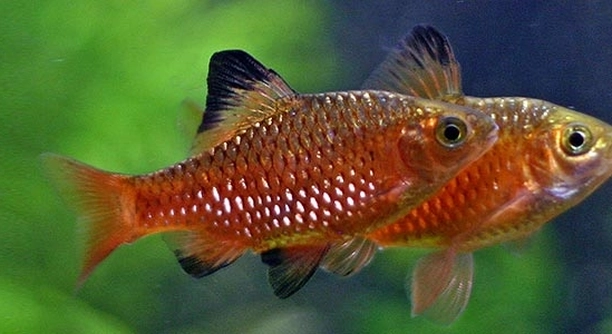
Are your rosy barbs acting strangely by avoiding the aquarium’s current? Many fishkeepers notice this unusual behavior and wonder why their fish seem to shy away from flowing water. Understanding this can help create a better environment for your rosy barbs.
Rosy barbs avoid strong currents primarily because they prefer calmer waters where swimming is easier and less stressful. Excessive water flow can tire them out, disrupt their natural behavior, and cause discomfort, prompting them to seek calmer areas of the tank.
Knowing why your rosy barbs behave this way will help you adjust their tank setup for a healthier, happier fish community. This insight can improve your aquarium’s balance and your fish’s well-being.
Understanding Rosy Barbs and Their Swimming Preferences
Rosy barbs are lively fish that enjoy exploring their tank, but they have clear preferences when it comes to water flow. In the wild, these fish are often found in slow-moving streams and ponds, where the water current is gentle. When kept in an aquarium, they tend to avoid strong currents because it makes swimming harder and more tiring. If the water flows too quickly, rosy barbs might spend most of their time hiding or resting in calmer corners of the tank. Their fins and body shape are designed for moderate movement, not constant strong resistance. Setting up your aquarium with areas of gentle flow will help them swim comfortably and feel secure. Including plants and decorations can create natural breaks in the current. Observing how your rosy barbs behave in different parts of the tank can give clues about whether the water flow is right for them.
Rosy barbs need a balanced environment with moderate currents to stay healthy and active.
Providing areas of still water alongside gentle currents will keep your fish happy and reduce stress.
How to Adjust Your Aquarium’s Current for Rosy Barbs
When setting up your tank, it’s important to control the water flow. High-powered filters or pumps can create strong currents that make rosy barbs uncomfortable. Positioning the filter output to direct water toward one side of the tank while leaving other areas calm can give your fish options to choose from. Adding plants, rocks, or driftwood can also slow down the water movement and create natural resting spots. If your tank has strong circulation, consider using a spray bar or diffuser to spread the flow more evenly. Regularly observe your rosy barbs to see if they’re avoiding certain areas or showing signs of stress, such as rapid breathing or clamped fins. Adjusting water flow not only improves their comfort but also supports their overall health and behavior in captivity. Small changes can make a big difference in how your rosy barbs interact with their environment.
Signs That Rosy Barbs Are Uncomfortable with the Current
Rosy barbs avoiding the current often show specific signs like hiding more, swimming less, or staying near the tank’s edges. They may also appear stressed with clamped fins or rapid breathing. Watching these behaviors helps identify discomfort early.
When the water flow is too strong, rosy barbs might stay close to decorations or plants to avoid swimming against the current. They may also gather in calmer corners or near the surface where the flow is weaker. These behaviors show their preference for gentler water movement. Ignoring these signs can lead to stress, affecting their health and appetite. Regular observation allows timely adjustments to tank conditions, ensuring your rosy barbs remain active and healthy.
Adjusting the current to suit your fish means providing a balance between filtration needs and the fish’s comfort. Installing flow reducers or rearranging tank elements can help create peaceful zones. By fine-tuning the water flow, you help your rosy barbs swim naturally and thrive, reducing signs of stress and encouraging normal behavior patterns.
Tank Setup Tips to Reduce Strong Currents
To reduce strong currents, place the filter outlet in a way that directs water toward one side, allowing calmer areas elsewhere. Using plants and decorations also helps break the flow and provide refuge.
Adding floating plants or tall stems slows down surface currents, giving fish places to rest. Driftwood and rocks create physical barriers that reduce water speed and mimic natural hiding spots. Position these elements strategically to create gentle water zones and avoid a single, strong flow path across the tank. Adjust filter power if possible, using valves or spray bars for more even distribution. These small changes make the environment more comfortable for rosy barbs, promoting better health and less stress. Careful tank setup supports your fish’s natural swimming style and overall well-being.
Adjusting Filter Settings for Rosy Barbs
Lowering the filter’s flow rate can make a big difference in water movement. Many filters have adjustable settings to reduce current strength.
If your filter lacks this feature, adding a spray bar or redirecting the outflow can help spread water gently, making the environment more comfortable for your rosy barbs.
Benefits of Moderate Water Flow in Aquariums
Moderate water flow helps keep the tank clean by moving debris toward the filter, which supports good water quality. It also improves oxygen circulation, important for fish health. However, too strong a current causes stress and energy loss in rosy barbs. A balanced flow keeps fish active, healthy, and less prone to illness by mimicking their natural habitat’s gentle water movement.
Monitoring Fish Behavior Regularly
Regularly watching how your rosy barbs interact with the current helps catch problems early. Adjustments can be made before stress causes health issues.
FAQ
Why do my rosy barbs avoid the current even when the flow seems gentle?
Sometimes what feels like a gentle flow to us can still be strong for rosy barbs. Each fish has its own tolerance level, which depends on size, age, and health. Younger or weaker rosy barbs often avoid currents more than stronger adults. Also, water temperature and tank size can affect how noticeable the current feels. Adjusting the flow or adding more hiding spots can help even if the current doesn’t seem strong to you.
Can rosy barbs get tired from swimming against the current?
Yes, swimming against a strong current uses a lot of energy. Rosy barbs aren’t built for constant strong swimming, so if they have to fight the flow all the time, they get tired quickly. This exhaustion can lead to less activity, poor appetite, and increased stress. Reducing the current or providing calm zones allows them to rest and swim comfortably without tiring out.
Is it harmful for rosy barbs to swim in strong currents sometimes?
Occasional swimming in stronger currents is usually not harmful. It can even be good exercise if it’s not constant. The problem arises when strong currents dominate the entire tank, leaving no calm areas. This can stress the fish and affect their health over time. Balance is key—providing both flowing water and peaceful spots is ideal for their well-being.
How do I know if my filter creates too much current for rosy barbs?
If your rosy barbs spend most of their time hiding, clamping fins, or gathering in corners away from the filter outflow, it’s a sign the current may be too strong. Another sign is if they struggle to swim or seem exhausted after moving in the tank. Observing their behavior regularly will help you decide if adjustments to the filter are needed.
What are easy ways to reduce the water current in my tank?
Reducing current can be simple. Lower the filter’s flow rate if it’s adjustable. Add plants, rocks, or driftwood to break up the water flow and create calm areas. Using a spray bar attachment spreads water more evenly and reduces strong jets. You can also redirect the filter output toward the tank wall to soften the current before it reaches the fish.
Can strong currents cause illness in rosy barbs?
Strong currents alone don’t cause illness, but they increase stress, which weakens the immune system. Stress makes rosy barbs more vulnerable to diseases like fin rot or infections. By providing moderate currents and safe zones, you help maintain their health and reduce the risk of stress-related illnesses.
Will adding more decorations harm the tank environment?
Adding decorations like plants and rocks generally benefits the tank by creating hiding spots and breaking currents. However, overcrowding the tank can reduce swimming space and cause water quality issues. Balance decorations with enough open areas for swimming. Clean and maintain decorations regularly to prevent algae buildup or waste accumulation.
How often should I check the behavior of my rosy barbs?
Daily observation is best to notice any changes quickly. Rosy barbs can show stress or discomfort early through behavior changes. Watching them during feeding and swimming times helps spot signs like hiding, clamped fins, or loss of appetite. Early detection allows timely adjustments to tank conditions.
Are there specific plants that help reduce water current?
Yes, plants with dense or tall leaves, such as Java fern, Anubias, or Amazon sword, slow down water flow by creating natural barriers. Floating plants like duckweed or water lettuce also reduce surface currents. These plants provide calm zones and improve the tank’s natural look while benefiting your rosy barbs.
Is it normal for rosy barbs to hide a lot?
Rosy barbs do enjoy resting or hiding occasionally, especially if they feel stressed or scared. But if they constantly hide and avoid swimming, it’s a sign something is wrong. Too strong a current, poor water quality, or illness could be causes. Monitoring their environment and health will help identify the issue.
How can I encourage my rosy barbs to swim more actively?
Creating a balanced current with calm areas encourages natural swimming behavior. Regular feeding and maintaining good water quality also boost activity. Avoid overcrowding and provide plenty of space. Sometimes adding companions of the same species can motivate rosy barbs to swim more by social interaction.
Does tank size affect how rosy barbs react to currents?
Yes, smaller tanks often have stronger currents in relation to the space, which can overwhelm rosy barbs. Larger tanks allow currents to spread out and weaken naturally. When using a small tank, extra care is needed to reduce strong flow and provide calm spots.
Can changing water temperature affect how rosy barbs deal with currents?
Water temperature affects fish metabolism and energy levels. Cooler water may make swimming harder, so rosy barbs might avoid currents more when the tank is too cold. Keeping the temperature stable within the ideal range (around 72–78°F or 22–26°C) helps them handle currents better and stay active.
What is the best way to introduce rosy barbs to a new tank with a current?
When introducing rosy barbs, ensure the current is mild and there are plenty of calm zones. Adding decorations before introducing fish helps create safe spots. Monitor them closely during the first few days to adjust flow if they show signs of stress. Gradual acclimation to the current will help them settle comfortably.
How often should filter maintenance be done to control current and water quality?
Regular filter maintenance keeps water flow steady and prevents blockages that can change current strength. Cleaning or replacing filter media every 3–4 weeks is common but check the manufacturer’s guidelines. A well-maintained filter ensures consistent water quality and gentle flow, supporting rosy barbs’ comfort and health.
Final Thoughts
Understanding why rosy barbs avoid the current helps create a better home for them. These fish prefer gentle water flow because strong currents can tire them out and cause stress. When the water moves too quickly, rosy barbs may hide more and swim less, which can affect their overall health. By paying attention to how your fish behave, you can adjust the tank conditions to suit their needs. Simple changes like lowering the filter’s flow or adding plants can make a big difference. Creating calm areas in the tank lets your rosy barbs swim comfortably and rest when needed. This balance is important for their happiness and well-being.
Maintaining a suitable water flow not only helps your rosy barbs feel comfortable but also supports a healthy aquarium environment. Proper filtration keeps the water clean and oxygenated, but it must be balanced with the fish’s swimming preferences. Too strong a current can lead to stress, which makes fish more vulnerable to illnesses. By adjusting filter settings and arranging decorations carefully, you can reduce water movement where needed without sacrificing water quality. This thoughtful setup allows your rosy barbs to thrive, swim actively, and show natural behaviors. Watching your fish regularly helps catch any signs of discomfort early so you can make timely changes.
Every tank and fish are different, so it may take some trial and error to find the right balance. Don’t be discouraged if your rosy barbs avoid certain areas at first. Experimenting with water flow, tank layout, and decorations helps create a comfortable space for them. Remember that the goal is to mimic their natural habitat as much as possible, with areas of gentle current and places to rest. With patience and care, your rosy barbs will become more active and relaxed in their environment. Taking these steps ensures a healthier, more enjoyable aquarium for both you and your fish.

Hello,
If you enjoy the content that we create, please consider saying a "Thank You!" by leaving a tip.
Every little bit helps us continue crafting quality advice that supports the health, happiness, and well-being of pets around the world, for pets of all shapes, sizes, and species.
We really appreciate the kindness and support that you show us!