
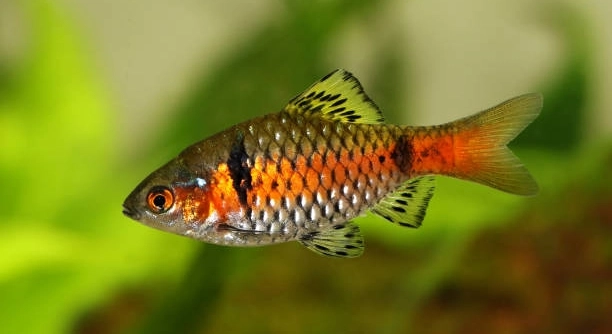
Are your rosy barbs swimming away from the bubble stone in your aquarium? It can be puzzling when these active fish avoid a feature meant to add interest and oxygen to their environment. Understanding their behavior helps create a better habitat.
Rosy barbs avoid the bubble stone primarily due to water flow and noise. Strong currents and constant bubbling may stress these fish, causing them to seek calmer areas. Additionally, their natural behavior favors open swimming spaces without excessive disturbance.
Learning more about why your rosy barbs behave this way will help improve their comfort and overall tank harmony. The following insights explain how to adjust your setup effectively.
Understanding Rosy Barbs’ Sensitivity to Bubble Stones
Rosy barbs are sensitive to their surroundings, especially to water movement and noise. Bubble stones create bubbles that increase water circulation and oxygenation, but this can also create strong currents. These currents might overwhelm the fish, making them avoid the area near the stone. Additionally, the noise from the bubbles can disturb their natural calm. Rosy barbs prefer moderate water flow where they can swim comfortably without fighting the current. If the bubble stone is too powerful or noisy, it disrupts their peaceful environment. Positioning the bubble stone away from their favorite swimming spots or reducing the air supply can help. Watching how the fish respond to changes in the bubble stone’s activity provides clues about their comfort level. Their behavior reflects their need for balance between oxygenation and calm water, which is essential for their health.
Adjusting water flow is key to encouraging rosy barbs to explore the bubble stone area again.
Their natural habitat usually has gentle water currents, so replicating this helps reduce stress and promotes healthy behavior. It is important to avoid strong air pumps or placing bubble stones in small tanks where the flow becomes too intense. Keeping a calm, stable environment supports rosy barbs’ well-being and reduces avoidance behaviors. Monitoring their interaction with tank features like bubble stones helps maintain an ideal balance between oxygenation and comfort, ensuring these lively fish feel secure and content in their home.
Tips for Adjusting the Aquarium Setup
Start by checking the air pump strength connected to the bubble stone. Lowering the air supply reduces current intensity.
Replacing the bubble stone with a gentler aeration device can be beneficial. Another option is moving the stone to a less frequented part of the tank to give rosy barbs space. Avoid placing the bubble stone directly near plants or decorations where the fish like to rest. Additionally, maintaining good water quality and temperature helps reduce overall stress, making the fish more willing to explore different areas. Regular observation and small adjustments keep the tank environment comfortable for rosy barbs, encouraging them to interact with all features, including the bubble stone.
Bubble Stone Placement and Tank Size
Bubble stone placement affects how rosy barbs interact with it. If placed in a small tank or near their favorite swimming areas, the increased water flow can feel overwhelming. Moving the bubble stone to a less busy corner reduces disturbance and encourages exploration.
Choosing the right spot for the bubble stone ensures balanced water movement throughout the tank. In smaller tanks, the bubbles can create strong currents that stress fish. Placing the stone near tank decorations or plants where rosy barbs usually rest can disrupt their comfort zones. Finding a quiet area in the tank allows the fish to swim freely without feeling pressured by constant bubbling. Observing their behavior after relocating the stone helps confirm if the new placement works better for them.
Tank size matters because smaller volumes of water amplify bubble stone effects. Larger tanks dilute the flow, creating a more natural environment. If your aquarium is small, consider using a bubble stone with lower air output or alternative aeration devices. These adjustments help maintain calm water while still providing oxygenation. Proper placement combined with appropriate equipment keeps the environment balanced, making it easier for rosy barbs to accept the bubble stone presence.
Water Conditions and Fish Comfort
Water parameters directly affect rosy barbs’ comfort and behavior. Stable temperature, pH, and cleanliness reduce stress and encourage natural activities.
Optimal water temperature for rosy barbs ranges between 64°F and 72°F, with a neutral pH near 7.0. Sudden fluctuations or poor water quality can increase stress, causing the fish to avoid certain areas, including near the bubble stone. Regular water changes and proper filtration are essential to maintain clean, stable water. Soft water with moderate hardness also supports their health and comfort.
Stress from unsuitable water conditions lowers their activity levels and willingness to explore the tank fully. Maintaining consistent, ideal parameters helps the fish feel secure enough to investigate all parts of their habitat. Rosy barbs respond positively when water quality is high, often becoming more active around aeration features like bubble stones. Continuous monitoring and timely adjustments promote their overall well-being and encourage natural, healthy behaviors.
Fish Personality and Group Dynamics
Individual rosy barbs have unique personalities that affect their interaction with the bubble stone. Some may be more cautious or shy around new objects.
Group behavior also matters. Rosy barbs feel safer in schools, and if most avoid the bubble stone, others will likely follow their lead.
Signs of Stress from Bubble Stones
Stress signs include hiding, erratic swimming, or loss of appetite. Avoiding the bubble stone may indicate discomfort caused by strong water flow or noise. Monitoring these behaviors helps identify if the bubble stone affects the fish negatively and requires adjustment.
Alternatives to Bubble Stones
Using sponge filters or gentle water pumps can provide aeration without creating strong currents. These alternatives offer oxygenation with less disturbance, making the tank environment more comfortable for rosy barbs.
Monitoring Fish Behavior
Regular observation of rosy barbs’ behavior ensures their comfort and health. Changes in activity or tank interaction may signal environmental issues, including bubble stone effects. Adjustments can then be made promptly to maintain a healthy habitat.
FAQ
Why are my rosy barbs avoiding the bubble stone?
Rosy barbs often avoid bubble stones because of the strong water currents and noise created by the bubbles. These conditions can stress the fish, causing them to seek calmer areas. Their natural preference is for moderate water flow where they can swim comfortably without resistance.
Can bubble stones harm rosy barbs?
Bubble stones themselves don’t harm rosy barbs, but excessive water movement or noise can cause stress. Stress may lead to hiding, reduced activity, or loss of appetite. It’s important to monitor your fish and adjust the air flow or stone placement to keep them comfortable.
How can I make my rosy barbs more comfortable around the bubble stone?
Lowering the air supply to reduce current strength helps. You can also move the bubble stone to a quieter, less trafficked part of the tank. Providing hiding spots with plants or decorations nearby offers the fish safe spaces to retreat when needed.
Is tank size important for using a bubble stone?
Yes, smaller tanks tend to amplify water currents caused by bubble stones, making them stronger and more stressful for fish. Larger tanks allow the bubbles to spread more evenly and gently, creating a natural environment for rosy barbs to thrive.
What water conditions do rosy barbs prefer?
Rosy barbs thrive in stable conditions with temperatures between 64°F and 72°F and a neutral pH around 7.0. Clean, well-filtered water with moderate hardness supports their health. Sudden changes in water parameters can increase stress levels.
Can other aeration methods be used instead of bubble stones?
Yes, sponge filters and gentle water pumps provide oxygenation with less disturbance. These options create softer water movement, making the tank environment more comfortable for rosy barbs, especially in smaller aquariums.
How do I know if my rosy barbs are stressed?
Look for hiding, erratic swimming, loss of appetite, or lethargy. If the fish consistently avoid the bubble stone or seem unsettled near it, the water flow or noise may be too strong. Adjusting the aeration setup often improves their comfort.
Will all rosy barbs avoid the bubble stone?
Not necessarily. Individual personalities vary; some may be more curious or tolerant of bubbling activity. However, if most fish avoid it, it usually indicates the flow or noise is uncomfortable. Observing group behavior helps determine if changes are needed.
How often should I check the bubble stone and tank environment?
Regular checks, at least weekly, ensure the bubble stone and other equipment are functioning correctly. Monitoring water parameters, fish behavior, and tank setup helps maintain a healthy environment and prevents stress-related issues.
What should I do if my rosy barbs never approach the bubble stone?
Try lowering the air pump output or relocating the bubble stone. Adding plants or decorations near it can also create safer zones. If avoidance continues, consider alternative aeration methods to maintain oxygen levels without stressing the fish.
Does the bubble stone improve oxygen levels significantly?
Yes, bubble stones help increase oxygen by agitating the water surface, improving gas exchange. However, the effect depends on the tank size and air flow strength. Proper balance is needed to avoid creating stressful conditions for fish.
Can poor water quality cause fish to avoid the bubble stone?
Indirectly, yes. Poor water quality increases stress, making fish less active and more likely to hide. If the bubble stone area is also a high-flow zone, fish may avoid it more. Maintaining clean, stable water is essential for fish comfort and activity.
Are rosy barbs more sensitive to bubble stones than other fish?
Rosy barbs are moderately sensitive to strong currents compared to some species that prefer fast water. Their preference for calmer, moderate-flow environments means bubble stones must be carefully managed to avoid overstimulation.
How do I reduce noise from the bubble stone?
Lowering air pump pressure or using tubing silencers can reduce noise. Moving the stone to an area away from the tank sides may also help. Minimizing noise improves the overall environment and reduces fish stress.
What if my tank has multiple bubble stones?
Multiple bubble stones can create excessive water movement, overwhelming rosy barbs. It’s better to use fewer stones with gentle airflow, ensuring the tank remains well-oxygenated without causing stress. Balance is key for a healthy aquarium.
Rosy barbs are lively fish that add color and movement to any aquarium. Their comfort depends a lot on the environment you create for them. Bubble stones, while useful for adding oxygen and water movement, can sometimes cause stress if they create too strong a current or too much noise. When rosy barbs avoid the bubble stone, it is often a sign that the setup needs some adjustment. Understanding how these fish interact with their surroundings helps ensure they stay healthy and active.
Creating a balanced environment means paying attention to several factors. Tank size plays an important role because smaller tanks make the bubbles and water flow stronger and more noticeable to the fish. Placement of the bubble stone also matters. Moving it to a less busy corner can reduce stress and encourage rosy barbs to swim nearby. Adjusting the air pump to lower the intensity of bubbles can make a big difference, allowing the fish to enjoy the oxygen benefits without feeling overwhelmed. Watching your fish closely will help you learn what works best for them.
Overall, keeping the water quality stable and meeting the basic needs of rosy barbs is key to their well-being. Good filtration, proper temperature, and clean water support their health and reduce stress. If the bubble stone still causes issues, considering alternatives like sponge filters or gentle pumps may be helpful. Each aquarium and its fish are unique, so small changes and observations will guide you to the right setup. With care and attention, your rosy barbs can thrive and bring joy to your aquarium space.

Hello,
If you enjoy the content that we create, please consider saying a "Thank You!" by leaving a tip.
Every little bit helps us continue crafting quality advice that supports the health, happiness, and well-being of pets around the world, for pets of all shapes, sizes, and species.
We really appreciate the kindness and support that you show us!