
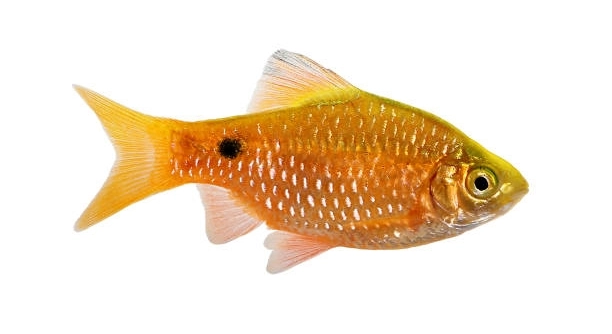
Rosy barbs are popular freshwater fish known for their vibrant color and active nature. Many aquarium enthusiasts notice these fish often swim closely together, almost as if they are following each other. This behavior is common and can be observed in various tank setups.
Rosy barbs follow each other primarily due to their schooling instinct, which is a natural defense mechanism against predators. Schooling provides safety in numbers, helps reduce stress, and promotes social interaction among the fish. This behavior is essential for their well-being.
Understanding why rosy barbs school can improve your aquarium management and ensure a healthy environment. The following information will explain this behavior and offer tips to support your fish’s natural habits.
Why Rosy Barbs School Together
Rosy barbs school together because it offers them safety and comfort. In the wild, swimming in groups helps protect them from predators by making it harder to be singled out. This instinct carries over even when they live in home aquariums. When they stick close, they feel less stressed and more secure. Schooling also helps them communicate and coordinate movements, which keeps the group organized. Without this behavior, rosy barbs may become anxious and less active. For anyone keeping them, it is important to provide enough space and a proper number of fish to support their natural social habits. If kept alone or in very small groups, rosy barbs can become lonely or stressed, which may affect their health and coloration. Maintaining a group of at least five or six rosy barbs is usually best for encouraging their natural schooling behavior and keeping them happy.
Providing the right environment, such as plenty of hiding spots and clean water, will further support their comfort within the group.
Grouping rosy barbs correctly promotes their health and vitality. Understanding this will help maintain a peaceful and active aquarium.
How to Encourage Schooling Behavior
To encourage rosy barbs to school, it is important to keep them in groups rather than alone. Schooling is a social behavior that only happens when there are enough fish. Make sure your tank size supports multiple fish comfortably. Avoid sudden changes in lighting or water quality, as stress can disrupt their natural habits. Adding plants or decorations can give them places to hide, which also reduces stress and encourages grouping. Feed them regularly and maintain stable water conditions to support their health. With these measures, rosy barbs will naturally form a lively and cohesive group that moves together in the tank.
Keeping rosy barbs in appropriate groups and stable conditions helps maintain their schooling instinct.
When you provide an environment that respects their social nature, rosy barbs thrive. This includes adequate space, good water quality, and a balanced diet. Observing their behavior will show you how well they adapt to your care. If schooling seems weak, check for signs of stress or illness. It is normal for some individuals to be more reserved, but most will join the group if conditions are right. Tankmates should also be peaceful, as aggressive fish can disturb their social patterns. Remember that rosy barbs are active swimmers; a cramped tank limits their movement and disrupts schooling. Regular monitoring and proper care create a setting where rosy barbs naturally follow each other, forming the dynamic group you expect.
Common Reasons Rosy Barbs Follow Each Other
Rosy barbs follow each other mainly because they feel safer in groups. This behavior also helps them stay active and reduces boredom in the tank. It is natural for them to swim in schools to maintain social bonds and protect themselves.
Stress can cause rosy barbs to cling tightly to each other. Changes in water quality, temperature, or tankmates might make them nervous. When stressed, their schooling becomes more intense as a survival instinct. If your fish suddenly start following each other more closely than usual, check the tank conditions to rule out problems. Proper maintenance helps reduce stress and keeps schooling natural and relaxed.
Sometimes, following behavior is also linked to feeding or exploring. Rosy barbs often move together when searching for food or exploring new areas of the tank. This coordinated movement helps keep the group together and safe from threats.
How Tank Setup Influences Schooling
Tank size and layout directly affect how rosy barbs school. A larger tank provides more space for swimming, encouraging natural group movement. Smaller tanks can restrict this behavior and cause stress.
Plants and decorations offer hiding places, making rosy barbs feel secure while schooling. Without these, fish may become shy and less likely to swim in groups openly. Open swimming space is also important so the group can move freely. Combining these elements creates an environment that supports healthy schooling and active behavior.
Importance of Group Size
Rosy barbs need to be kept in groups of at least five to exhibit natural schooling behavior. Smaller groups often lead to stress and erratic swimming patterns.
A larger group not only reduces stress but also encourages social interaction. This creates a calmer and more active aquarium environment for the fish.
Effects of Tank Mates
Choosing compatible tank mates is essential. Aggressive or overly large fish can disrupt schooling by stressing rosy barbs. Peaceful species help maintain balance and reduce tension.
Signs of Disrupted Schooling
If rosy barbs stop schooling or isolate themselves, it may indicate illness or poor water quality. Early detection helps prevent serious health issues.
Adjusting Environment for Better Schooling
Small changes like adding plants or rearranging decorations can encourage schooling. Providing space and security helps rosy barbs stay close naturally.
FAQ
Why do my rosy barbs always swim together?
Rosy barbs swim together because they are schooling fish by nature. This behavior helps them feel safe and secure. In groups, they can reduce stress and protect themselves from perceived threats. Schooling also promotes social interaction, which is important for their mental well-being. When kept alone or in too small a group, rosy barbs may become anxious or inactive. Providing a proper group size and a calm environment encourages this natural behavior.
Is it normal for rosy barbs to follow each other constantly?
Yes, it is normal. Constant following is part of their schooling instinct. It allows them to move as a unit and stay coordinated. This behavior helps protect them from predators and creates a sense of safety. When they are relaxed and healthy, schooling appears smooth and coordinated. If they seem to follow each other nervously or frantically, it could be a sign of stress or poor water conditions.
How many rosy barbs should I keep to promote schooling?
It is best to keep at least five or six rosy barbs together. Smaller groups tend to stress the fish and reduce their natural schooling behavior. Groups of five or more allow the fish to form stable social bonds and move freely as a school. Larger groups often result in more natural, active schooling and happier fish.
Can tank size affect rosy barbs’ schooling behavior?
Yes, tank size plays a big role. A larger tank gives rosy barbs enough space to swim freely and maintain their group formation. Small tanks can restrict their movement, making schooling difficult or stressful. Ideally, a tank for a group of rosy barbs should be at least 30 gallons to support their activity and social needs.
Do decorations and plants influence schooling?
Plants and decorations provide hiding spots and break up open space, which makes rosy barbs feel secure. When they feel safe, schooling is more relaxed and natural. However, it’s important to balance decorations with open swimming areas, so the fish have room to move together without feeling cramped.
What tank mates work well with rosy barbs?
Peaceful and similarly sized fish are best tank mates. Aggressive or very large fish can stress rosy barbs and disrupt their schooling. Good companions include tetras, danios, and other non-aggressive community fish. Avoid keeping them with aggressive or territorial species that may cause fear or injury.
Why do rosy barbs sometimes break away from the group?
Occasionally, individual rosy barbs may explore or rest away from the group. This is normal behavior. However, if a fish consistently isolates itself or appears lethargic, it may be ill or stressed. Monitoring water quality and fish health is important to catch problems early.
Can water quality affect schooling behavior?
Poor water quality can cause stress and disrupt schooling. High ammonia, nitrite, or nitrate levels irritate fish and make them less likely to behave naturally. Regular water testing and maintenance help keep conditions ideal for schooling and overall health.
What should I do if my rosy barbs are not schooling?
Check tank conditions first—water quality, temperature, and space. Make sure the group size is adequate. Stressors like aggressive tank mates or sudden changes can also affect schooling. Providing a stable, clean environment and the right companions usually restores natural behavior.
Do rosy barbs follow each other when feeding?
Yes, rosy barbs often swim together during feeding. This coordinated behavior helps them find food and stay safe. They may also chase each other briefly around feeding times, which is normal social activity.
Can lighting affect their schooling behavior?
Lighting can influence activity levels but does not usually stop schooling. Sudden changes in lighting or very bright light may stress fish temporarily. Gradual lighting changes and a day-night cycle help maintain natural behavior.
How can I reduce stress in rosy barbs to improve schooling?
Maintain stable water parameters, avoid overcrowding, and provide hiding places. Keep tankmates peaceful and avoid sudden changes. A calm, balanced environment reduces stress and encourages natural schooling.
Final Thoughts
Rosy barbs are naturally social fish that rely on schooling behavior to feel safe and comfortable. Their tendency to follow each other closely is an instinct that helps protect them in both natural and aquarium environments. Understanding this behavior can improve how you care for them and create a healthier, more active tank. When kept in appropriate group sizes and given enough space, rosy barbs show their natural, lively schooling, which is rewarding to observe. It is important to respect their social nature to ensure their well-being.
Providing the right environment is key to supporting rosy barbs’ schooling habits. This includes maintaining good water quality, keeping the tank clean, and offering enough swimming space. Plants and decorations can create hiding spots, making the fish feel secure. However, it is also important to leave open areas for them to move freely as a group. Choosing peaceful tank mates that won’t cause stress is another important factor. All these elements combined help promote calm and consistent schooling behavior, which benefits the health and happiness of the fish.
Being mindful of changes in behavior is helpful in maintaining a healthy aquarium. If rosy barbs stop schooling or act differently, it can signal stress, illness, or poor tank conditions. Regular monitoring of water parameters and observing the fish will allow early detection of issues. Adjustments to tank setup, diet, or water quality may be necessary to restore balance. Overall, meeting the social and environmental needs of rosy barbs will encourage their natural behavior and lead to a thriving aquarium.

Hello,
If you enjoy the content that we create, please consider saying a "Thank You!" by leaving a tip.
Every little bit helps us continue crafting quality advice that supports the health, happiness, and well-being of pets around the world, for pets of all shapes, sizes, and species.
We really appreciate the kindness and support that you show us!