
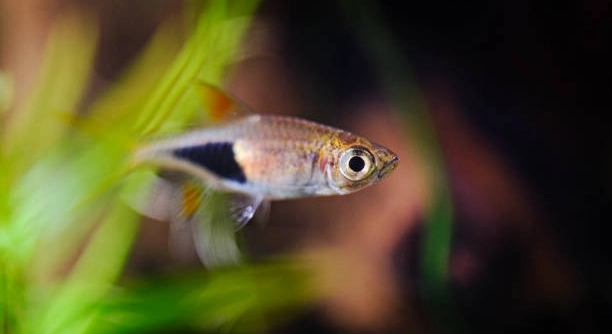
Have you ever noticed your rasboras swimming in strange patterns, looping or tilting in ways that seem unusual, leaving you concerned about their comfort, health, and overall wellbeing inside your aquarium at home today suddenly?
The most common reason rasboras swim in odd shapes is stress affecting their nervous system. Poor water quality, sudden environmental changes, illness, or injury can disrupt balance and coordination, resulting in erratic swimming patterns that signal underlying environmental problems conditions.
By learning the causes behind these movements, you can protect your rasboras health, restore balance, and maintain a aquarium environment.
Stress and Environmental Changes
I often notice odd swimming patterns begin when aquarium conditions slowly change without clear warning signs. Rasboras rely on stable water parameters, including temperature, pH, ammonia, nitrite, and nitrate levels. When these shift, even slightly, their nervous system reacts quickly. Stress causes disorientation, looping, tilting, or sudden darts across the tank. Overcrowding also increases tension, reducing oxygen availability and limiting natural schooling behavior. Poor filtration allows waste to build up, while irregular maintenance worsens instability. Bright lighting, constant noise, or aggressive tank mates further elevate stress levels. Over time, stressed rasboras struggle to maintain balance and coordination. These movements are not random. They are physical responses to an environment that no longer supports their biological needs, signaling the importance of restoring consistency and calm within the aquarium. Consistent care routines help prevent these behaviors and allow rasboras to display natural, relaxed swimming patterns daily in stable home tanks long term.
Small changes often go unnoticed at first, yet rasboras respond immediately. Regular testing, steady maintenance, and calm surroundings help stabilize behavior and reduce odd swimming before it worsens. These habits support long term health and prevent repeated stress related swimming issues inside community aquariums for small schooling fish species like.
I have learned that consistency matters more than quick fixes. Performing weekly water changes, monitoring parameters, and avoiding sudden layout changes keeps rasboras comfortable. Gentle filtration maintains water clarity without overwhelming delicate swimmers. Feeding balanced portions prevents waste buildup and supports steady energy levels. When schooling fish feel secure, they swim smoothly and confidently together. Creating predictable routines also helps me notice early behavioral shifts. Addressing stress early protects their health and preserves the peaceful rhythm that makes a planted aquarium enjoyable to observe daily. This stability benefits both fish behavior and long term aquarium balance overall for me personally.
Illness and Physical Factors
Odd swimming can also signal internal health problems. Infections, parasites, swim bladder disorders, or physical injuries interfere with buoyancy and coordination, causing looping or sideways movement that persists even when water conditions remain stable and should never be ignored for long periods by attentive aquarium keepers during daily observation sessions.
I pay close attention when unusual swimming continues despite proper maintenance. Sick rasboras may isolate themselves, lose appetite, or show faded coloration alongside erratic motion. Swim bladder issues often appear as floating, sinking, or spinning, making normal movement difficult. Parasitic infections can affect muscle control, while bacterial illnesses may inflame internal organs. Injuries from sharp decor or aggressive tank mates also disrupt balance. Quarantine is essential when symptoms persist, as it protects the main tank and allows targeted treatment. Medication should always match the diagnosis and be dosed carefully. Clean water supports recovery, but treatment addresses the root issue. Observing behavior daily helps determine improvement or decline. Acting promptly increases recovery chances and prevents prolonged discomfort. Providing a calm, stable environment during treatment reduces additional stress and supports healing until normal swimming patterns gradually return. I find that patience matters during recovery. Treatments take time, and sudden changes often worsen symptoms. Keeping lighting low, avoiding handling, and maintaining routine feedings helps healing progress steadily without added pressure on already weakened fish. Documenting changes daily allows clearer decisions and prevents unnecessary medication adjustments during sensitive treatment periods in small home aquariums under close observation by careful keepers seeking results over time.
Water Quality Issues
I notice erratic swimming often follows declining water quality. Elevated ammonia or nitrite irritates gills and nerves, causing imbalance. High nitrate, low oxygen, or improper temperature weakens endurance, forcing rasboras to struggle while swimming. These conditions develop quietly when maintenance slips or filtration underperforms over time inside home aquariums daily.
I regularly test water to prevent these issues from escalating. Weekly checks reveal parameter shifts before fish behavior worsens. Consistent water changes dilute toxins and restore oxygen balance. A reliable heater prevents sudden temperature swings. Adequate filtration supports biological bacteria that process waste efficiently. Overfeeding quickly degrades water, so controlled portions matter. Live plants also assist by absorbing excess nutrients. When water remains clean and stable, rasboras regain strength, swim evenly, and maintain tight schooling patterns without visible strain or confusion during normal activity. This approach reduces stress and supports long term health consistently within small community aquarium setups environments.
I have learned that clear water alone does not guarantee safety. Invisible toxins still harm fish if biological filtration lags. Rinsing filter media in tank water preserves beneficial bacteria. Replacing media too often resets stability. Gravel vacuuming removes trapped waste that releases harmful compounds. Testing after water changes confirms corrections worked. Maintaining logs helps track patterns over time. When adjustments remain gradual, rasboras adapt smoothly. Their swimming becomes controlled, horizontal, and calm, reflecting internal balance restored through consistent, attentive water management practices. This routine has improved survival rates and confidence in care decisions for long term aquarium success overall stability.
Tank Setup and Diet Factors
Tank layout and feeding habits strongly influence swimming behavior. Tight spaces limit movement, while sharp decor increases injury risk. Uneven currents exhaust small fish. Diets lacking variety weaken muscles and organs. Excess protein or poor quality food causes bloating, affecting buoyancy. Balanced space, gentle flow, and proper nutrition support controlled, natural swimming. I adjust layouts slowly to observe comfort levels over time without overwhelming sensitive schooling fish unnecessarily during routine maintenance and feeding schedules adjustments.
I avoid sudden changes when modifying tanks or diets. Rearranging decor gradually allows rasboras to relearn pathways without panic. Open swimming areas help schooling remain coordinated. Hiding spots reduce stress during rest periods. I feed small portions twice daily, choosing foods designed for micro predators. Frozen and live options improve digestion and energy. Removing uneaten food prevents water decline. Observing feeding response helps identify early health changes. When setup and diet align with natural behavior, swimming stabilizes. Fish move smoothly, maintain orientation, and interact calmly, reflecting a balanced environment shaped by thoughtful, consistent care over time. This approach has reduced odd movements and improved overall tank harmony significantly for my rasboras across different aquarium setups while maintaining stability during seasonal maintenance changes and feeding adjustments.
Normal Adjustment Versus Concern
I watch swimming patterns closely during daily observations. Rasboras showing brief odd movements after water changes may simply be adjusting. Short episodes without appetite loss or isolation often resolve naturally as fish regain orientation and comfort in stable conditions within familiar tanks over time with patience and monitoring by owners.
I feel reassured when behavior improves quickly. Temporary stress responses differ from ongoing problems. Consistent observation helps separate harmless adjustment from concern. Calm swimming returning within hours usually indicates the environment remains supportive and balanced for sensitive schooling fish after routine maintenance and feeding schedules are maintained carefully long term.
When Quarantine Becomes Necessary
I rely on quarantine practices when odd swimming persists. Separating affected rasboras prevents spread and allows focused care. A bare tank with heater, filter, and hiding space reduces stress. I monitor waste, appetite, and posture daily. Targeted treatment follows clear symptoms rather than guessing. Clean water supports recovery, but medication addresses infection or parasites directly. Slow improvements matter more than speed. Returning fish only after stable swimming protects the main aquarium and avoids repeated setbacks during reintegration. Careful observation and patience guide each step of isolation and treatment decisions without rushing changes that cause relapse in small tanks at home.
Knowing When to Intervene
I trust my instincts more with experience. When rasboras swim normally, eat well, and school calmly, intervention is unnecessary. Persistent odd motion combined with other symptoms signals action. Early response prevents decline and supports long term aquarium stability through consistent care routines I maintain daily observation and balance at home.
Why do my rasboras swim in circles but seem otherwise fine?
I often see circular swimming when rasboras experience mild stress or brief disorientation. This can happen after water changes, tank cleaning, or slight temperature shifts. If they are eating, schooling, and showing normal color, the behavior is usually temporary. I monitor closely for improvement within a few hours. Stable water parameters and calm surroundings typically resolve this without intervention.
Can odd swimming be caused by poor diet alone?
Yes, diet plays a direct role in swimming control. I have noticed that low quality food or excessive feeding can cause bloating and buoyancy problems. Rasboras need small, nutrient balanced meals. When digestion is strained, swimming may appear tilted or unstable. Adjusting portions and offering varied foods often improves movement within days.
How long should I wait before taking action?
I usually observe for twenty four to forty eight hours if no other symptoms appear. Short term odd swimming after maintenance is common. If behavior worsens, appetite drops, or isolation occurs, I act sooner. Waiting too long when symptoms persist can allow health issues to progress unnecessarily.
Does tank size affect swimming behavior?
Tank size matters more than many realize. Rasboras are active schooling fish that need horizontal space. In cramped tanks, I have seen increased stress and erratic movement. Limited swimming room disrupts natural patterns and weakens muscle control. Providing adequate space allows smoother, more confident swimming.
Is odd swimming always a sign of illness?
Not always. I remind myself that behavior must be viewed as a whole. Illness is more likely when odd swimming combines with clamped fins, fading color, or lethargy. On its own, unusual movement can reflect stress or adjustment rather than disease. Consistent observation helps clarify the cause.
Can strong water flow cause rasboras to swim strangely?
Yes, strong currents can exhaust small fish quickly. I have adjusted filter output after noticing rasboras struggling against flow. Continuous resistance affects balance and posture. Redirecting flow or adding plants to break currents often restores normal swimming patterns without further changes.
Should I change water more often if I notice odd swimming?
I focus on consistency rather than frequency. Sudden large water changes can worsen stress. If water quality tests poorly, gradual corrections work best. Smaller, regular changes stabilize conditions and support recovery. I avoid drastic adjustments unless toxins are present.
How do I know if it is a swim bladder issue?
Swim bladder problems usually affect buoyancy directly. I look for floating, sinking, or spinning behavior that does not improve with rest. These fish often struggle to stay level. Fasting briefly and improving diet helps mild cases. Persistent symptoms may require isolation and treatment.
Can stress from tank mates cause this behavior?
Yes, incompatible tank mates are a common factor. I have seen rasboras dart or tilt when housed with aggressive or fast moving fish. Constant chasing elevates stress and disrupts schooling. Removing the stress source often leads to quick improvement.
Is quarantine necessary for one affected fish?
If odd swimming continues or worsens, I prefer quarantine. Isolation allows focused care and prevents possible spread. It also reduces stress from competition. I find this step especially helpful when symptoms are unclear but persistent.
Do lighting conditions matter?
Bright or inconsistent lighting can increase stress. I keep lighting stable and avoid sudden changes. Rasboras prefer predictable day and night cycles. Improved lighting routines have reduced erratic swimming in my tanks.
Can temperature fluctuations cause imbalance?
Temperature changes affect metabolism and nerve function. Even small swings can cause temporary disorientation. I rely on a dependable heater and thermometer. Stable temperatures help maintain steady swimming and energy levels.
When should I seek treatment instead of waiting?
I intervene when odd swimming lasts several days or pairs with other warning signs. Early treatment often prevents decline. Acting calmly and methodically has helped me avoid unnecessary losses.
Is it possible some rasboras are just different swimmers?
Individual behavior varies slightly. Some fish are more active or reactive. I compare behavior across the group rather than focusing on one fish alone. True issues usually affect posture, balance, and consistency rather than personality differences.
Can stress ever cause permanent swimming changes?
Prolonged stress can lead to lasting damage. I have learned that early correction matters. Restoring stable conditions quickly gives rasboras the best chance to fully recover and return to smooth, natural swimming patterns.
Caring for rasboras has taught me that behavior is one of the clearest indicators of overall health. Odd swimming is rarely meaningless. It reflects how these fish respond to their environment, routine, and internal condition. While it can be alarming at first, it often serves as an early signal rather than a crisis. Stable water quality, proper tank setup, and consistent care routines play the largest role in preventing long term issues. When these basics are maintained, rasboras usually recover quickly from mild stress. I have learned to slow down, observe patterns, and avoid reacting impulsively. Small, steady adjustments are more effective than sudden changes. Over time, this approach builds confidence in decision making and creates a calmer aquarium environment where fish behavior becomes predictable and healthy.
Observation remains one of the most valuable tools in aquarium care. Watching how rasboras swim, school, and interact provides insight that test kits alone cannot offer. Healthy rasboras move smoothly, maintain balance, and stay engaged with their group. When this changes, it is important to assess recent maintenance, feeding habits, and environmental shifts. Many problems resolve once the source of stress is removed. Illness requires patience and consistency rather than rushed treatment. Quarantine, when necessary, allows for focused care without disrupting the main tank. I have found that keeping detailed routines and avoiding unnecessary changes helps reduce repeated issues. A stable environment supports not only physical health but also natural behavior, which is often the first thing to decline when something feels wrong.
Ultimately, odd swimming should be viewed as feedback rather than failure. It encourages better awareness and refinement of care practices. Rasboras are resilient when their needs are met, but they rely on steady conditions and attentive observation. Providing clean water, balanced nutrition, appropriate space, and calm surroundings allows them to thrive. Over time, recognizing subtle changes becomes easier, and responses become more confident and measured. This balance between action and patience leads to healthier fish and a more rewarding aquarium experience. By focusing on consistency and understanding rather than quick fixes, long term stability becomes achievable, and rasboras return to the calm, graceful swimming that reflects proper care and a well maintained aquatic environment.

Hello,
If you enjoy the content that we create, please consider saying a "Thank You!" by leaving a tip.
Every little bit helps us continue crafting quality advice that supports the health, happiness, and well-being of pets around the world, for pets of all shapes, sizes, and species.
We really appreciate the kindness and support that you show us!