
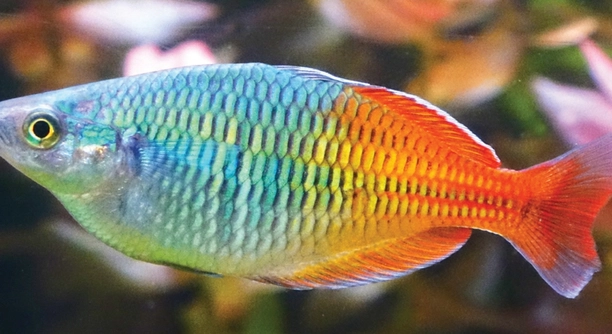
Rainbow fish are often known for their energetic swimming patterns, but when they suddenly start swimming low in the tank, it can be concerning. This behavior might indicate something is amiss in their environment.
The primary reason your rainbow fish are swimming low could be due to stress, poor water quality, or changes in their habitat. They may also swim near the bottom if they feel threatened or uncomfortable in the tank.
Understanding these factors is essential in making the right adjustments to keep your rainbow fish healthy and happy in their aquatic home.
Stress and Anxiety in Rainbow Fish
When rainbow fish swim low, one of the main causes could be stress. They are sensitive to changes in their environment, such as tank conditions, lighting, or the presence of other fish. Sudden movements or new additions to the tank can also cause them to feel unsafe. Stress makes fish seek shelter, and they may swim closer to the bottom to avoid perceived threats. To prevent this, make sure your tank setup remains consistent, with no sudden changes that could cause stress.
Ensuring proper water conditions is vital for keeping rainbow fish comfortable. Monitor the temperature, pH levels, and ammonia levels regularly.
If your fish show signs of stress, take action immediately by reducing disturbances, ensuring they have hiding spots, and providing them with a calm environment. Stress can weaken their immune system, making them more vulnerable to illness, so addressing it promptly will help maintain their health.
Water Quality Problems
Rainbow fish are very sensitive to poor water quality, which can lead to abnormal behavior, like swimming low. Water that is too warm, too cold, or has high ammonia or nitrate levels can cause discomfort. In these cases, your fish may be trying to find cooler or safer areas of the tank.
Regular water changes, checking filtration systems, and using water conditioners can prevent harmful buildups. Ensure your tank has proper filtration to maintain clean, oxygenated water.
If water quality is the issue, rainbow fish may show other signs, like fading colors or decreased activity. Consistent maintenance of the tank will help avoid these problems and ensure your fish feel at ease swimming higher in the tank. Regular water testing kits can also help monitor the tank’s conditions and catch potential issues early.
Tank Setup and Space
An overcrowded tank can cause your rainbow fish to feel cramped, making them swim lower. Fish need enough space to move freely and feel secure. When there are too many fish or too many decorations, your fish might avoid swimming higher in the tank to find more open space.
Rainbow fish are generally active swimmers, and if they don’t have the room to move around, they may swim near the bottom. When designing the tank, make sure to provide adequate space for each fish and arrange decorations to create open swim paths. This reduces stress and promotes healthier behavior.
To improve their comfort, consider upgrading to a larger tank or removing excess items. A well-decorated, spacious tank will help your fish feel more secure and encourage them to swim higher. Ensure there are enough places for them to hide, but not so many that the tank feels overcrowded.
Changes in Diet
Diet plays a key role in the behavior of rainbow fish. A poor or imbalanced diet can affect their energy levels, causing them to swim low. If your fish are not getting the nutrients they need, they might not have the energy to swim properly.
Try offering a variety of foods to ensure they get all the essential nutrients. Rainbow fish enjoy live or frozen foods like brine shrimp, daphnia, and bloodworms. High-quality flakes and pellets should also be part of their diet. Adding variety will keep them healthy and active.
If your fish continue to swim low despite changes in tank conditions, consider adjusting their diet. A healthy diet supports overall wellbeing, and maintaining proper nutrition can help address unusual swimming behaviors. A balanced diet contributes to their strength and will help them swim higher in the tank.
Tank Mates and Compatibility
Rainbow fish are peaceful but can be affected by aggressive tank mates. When housed with more aggressive species, they may retreat to the bottom of the tank for safety. This behavior is their way of avoiding conflict and seeking shelter.
Make sure the tank mates are compatible with your rainbow fish. Aggressive or territorial species can stress them out, causing them to swim lower. Adding peaceful companions like other rainbow fish or calm species will help your fish feel more secure and swim freely.
Water Temperature Fluctuations
Fluctuations in water temperature can stress rainbow fish, making them swim low. If the water is too warm or cold, your fish may try to find more stable zones. Consistency is key for their wellbeing.
To maintain a stable environment, use a reliable aquarium heater with a thermometer to monitor the temperature. Ensure the water temperature stays within the recommended range for rainbow fish, typically between 72°F and 78°F. Sudden changes can cause stress, so keeping the temperature consistent will encourage healthy swimming habits.
FAQ
Why are my rainbow fish staying at the bottom of the tank?
Rainbow fish staying at the bottom could be a sign of stress or poor water quality. They might be seeking refuge from aggressive tank mates or avoiding bright lights. Check the water parameters, including pH, ammonia, and nitrate levels, and adjust if necessary. Also, ensure they have enough hiding spots to feel safe.
How can I reduce stress in my rainbow fish?
To reduce stress, ensure the tank environment is stable. Avoid sudden changes in water temperature or pH. Maintain clean water with regular water changes and good filtration. Also, provide enough hiding spaces with plants or decorations where they can retreat if needed. Consider adjusting the tank’s lighting to be softer, as bright lights can stress fish.
Can rainbow fish get along with other fish?
Yes, rainbow fish are generally peaceful and can live with many other species, but it depends on the other tank mates. Avoid housing them with overly aggressive or territorial fish. Other peaceful species, like tetras or small catfish, tend to be compatible. Always monitor interactions to ensure there’s no bullying.
What is the ideal water temperature for rainbow fish?
Rainbow fish thrive in water temperatures between 72°F and 78°F. Consistent temperatures within this range are important for their health and behavior. Use an aquarium heater with a thermostat to keep the water stable. Large fluctuations can cause stress and lead to the fish swimming low or hiding.
How often should I feed my rainbow fish?
Rainbow fish should be fed 2-3 times a day with small portions. Overfeeding can lead to water quality issues, while underfeeding can cause malnutrition. Offer a variety of foods, including high-quality flakes, pellets, and occasional live or frozen foods like brine shrimp or daphnia. Balance is important.
Can rainbow fish swim near the bottom if they are not getting enough food?
Yes, if your rainbow fish are not being fed enough, they may swim closer to the bottom, searching for food. A lack of food can cause them to feel lethargic and stressed. Ensure they receive a balanced diet to keep them active and healthy.
Are rainbow fish more likely to swim low if they feel threatened?
Yes, rainbow fish often swim lower when they feel threatened. This can be due to aggressive tank mates or sudden changes in their environment. If they are stressed, they may seek refuge near the bottom of the tank to feel safe. Keeping peaceful tank mates and a stable environment will help reduce this behavior.
How can I tell if my rainbow fish is sick?
Signs that your rainbow fish may be sick include loss of color, decreased swimming activity, erratic swimming patterns, or visible lesions or spots on their body. If your fish is swimming low and showing other signs of illness, check the water quality and isolate the sick fish if necessary to prevent spreading any disease.
Should I add more decorations to my tank if my rainbow fish swim low?
Adding more decorations can help, but it’s essential to strike a balance. Rainbow fish may swim low due to lack of hiding spots or feeling unsafe. Plants, rocks, and caves can provide shelter, but make sure there’s enough open space for swimming. Overcrowding the tank with decorations can stress the fish further.
Is it possible that my rainbow fish just prefer swimming low?
While rainbow fish are typically active swimmers, some individuals may naturally prefer staying at the bottom of the tank. However, this should not be the norm, and it’s usually a sign of stress or discomfort. Make sure the tank environment is suitable for them and check for other potential causes of low swimming behavior.
How can I improve the water quality for my rainbow fish?
To improve water quality, perform regular water changes (about 20% weekly) and check your filtration system to ensure it’s working effectively. Test the water regularly for ammonia, nitrate, and nitrite levels. Using a quality water conditioner will also help neutralize chlorine and chloramine. Healthy water quality will reduce stress and encourage normal swimming behavior.
Can rainbow fish adapt to low light conditions?
Rainbow fish can adapt to low light conditions but still need a certain level of light to maintain their health. Too much light can cause stress, while too little may lead to poor coloration. Try dimming the lights or using floating plants to create shaded areas in the tank.
How can I tell if my rainbow fish is feeling stressed?
Signs of stress in rainbow fish include unusual swimming behavior, such as staying near the bottom, hiding more than usual, or darting around the tank. They may also display faded colors, lose their appetite, or become lethargic. Address any tank changes, ensure good water quality, and reduce any sources of stress.
Should I change the water if my rainbow fish are swimming low?
Yes, if your rainbow fish are swimming low, it’s a good idea to test and change the water. Poor water quality is a common cause of abnormal behavior. Perform a water change and make sure the tank’s filtration is working properly. After the change, check if their behavior improves.
Is it normal for rainbow fish to swim low at night?
It’s common for fish to swim lower or stay still at night. Rainbow fish, like many other species, are less active after dark. They may retreat to the bottom or hover in quiet areas of the tank to rest. If they swim low during the day, however, it may indicate an underlying issue.
Final Thoughts
Rainbow fish are generally lively and active swimmers, but when they start swimming low in the tank, it’s important to pay attention. This behavior often points to underlying issues that could affect their health or comfort. By understanding the potential causes—whether it’s stress, poor water quality, tank mates, or other factors—you can take steps to address the problem and help your rainbow fish feel secure again.
Maintaining a stable environment with proper water conditions is key to ensuring your rainbow fish stay healthy and active. Regular water changes, monitoring temperature, and using a good filtration system can go a long way in preventing the common causes of stress. Creating a peaceful environment with compatible tank mates and ensuring there’s enough space for your fish to swim freely will also help them feel more comfortable. It’s always important to provide hiding spots and plants where they can seek shelter if needed, but also give them enough open water to swim around.
If you notice that your rainbow fish continue to swim low despite addressing these issues, it may be worth checking their diet or looking for signs of illness. Sometimes, poor nutrition or a lack of variety in their food can make them feel lethargic, leading to them staying closer to the bottom. Keeping their diet balanced and offering them a variety of foods will help them stay energized and healthy. If the behavior persists, it’s always a good idea to consult with an aquarium expert or veterinarian to rule out any medical concerns and get additional advice. By staying attentive and proactive, you can help ensure your rainbow fish enjoy a long, healthy life in your tank.

Hello,
If you enjoy the content that we create, please consider saying a "Thank You!" by leaving a tip.
Every little bit helps us continue crafting quality advice that supports the health, happiness, and well-being of pets around the world, for pets of all shapes, sizes, and species.
We really appreciate the kindness and support that you show us!