
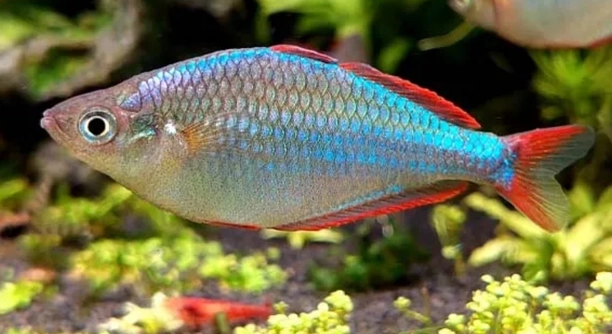
Are your rainbow fish only active at night? It can be concerning when you notice this behavior, especially if you’re unsure of the cause. Understanding why this happens can help you ensure their well-being.
Rainbow fish are typically more active at night due to their natural behavior and environment. Many species of rainbow fish are crepuscular or nocturnal, preferring low light conditions for hunting and socializing. Stress or changes in their environment can also trigger nighttime activity.
There are several factors that influence your fish’s behavior, from lighting to tank conditions. Understanding these will help you create a better habitat for your rainbow fish.
Reasons for Nighttime Activity in Rainbow Fish
Rainbow fish are naturally more active in the evening and night. This behavior is common in many species, especially those from areas with limited sunlight or murky waters. In the wild, these fish avoid the brightness of the day, using low light to feel more secure. The shift in activity can also be a result of the fish’s adaptation to their environment, where dusk or nightfall is the prime time to forage for food and socialize. In your tank, this behavior might mimic their natural instincts, providing a sense of comfort and security in the absence of constant light.
The lighting in your tank plays a significant role in their daily cycle. If the aquarium is brightly lit throughout the day, your fish might stay inactive until it dims. In this case, they follow their natural instincts to become more active as it gets darker.
If you’re concerned about their night activity, it’s a good idea to assess the lighting schedule and reduce brightness during the day. This can help replicate the natural transition from day to night and encourage a more balanced activity pattern.
Tank Conditions and Stress Factors
Tank conditions can influence your rainbow fish’s behavior. The water temperature, quality, and overall environment can affect how your fish react to light. Stress from poor water conditions or sudden changes in temperature might cause your fish to stay hidden during the day and be more active at night.
Ensure that your rainbow fish’s tank environment mimics their natural habitat as closely as possible. Consistent water parameters, including temperature and pH, can help reduce stress. Fish tend to be more active when they feel safe in their environment, especially during the night when they are less likely to feel threatened.
Providing hiding spots in your tank can also help them feel secure. Plants, caves, and decorations give rainbow fish a space to retreat during the day, making them more comfortable when the lights go out. When their needs are met, these fish often return to a more regular activity cycle.
Light Schedules and Their Impact
Light plays a significant role in regulating the activity levels of rainbow fish. When the lighting cycle is inconsistent, it can confuse their internal clock, leading them to become more active at night. A well-controlled light schedule helps them know when to rest and when to swim around.
To manage this, aim for a 12-hour light and 12-hour dark cycle in the tank. Using a timer for your lights ensures consistency, making it easier for your fish to adapt. They’ll associate the dark periods with rest and may adjust their behavior accordingly.
If you notice your fish are particularly active during the night, adjusting the light cycle might make a difference. Turning off the tank lights during the evening and offering a quieter, dimmer space can encourage your rainbow fish to adjust to a more natural rhythm.
Feeding Habits and Their Effects
Rainbow fish are more likely to be active at night when they are hungry or expect food. If you feed them at night, they will often become more active during that time, anticipating the meal. Adjusting feeding schedules can help regulate their behavior.
Try feeding your fish in the morning and avoid offering food at night. This could help shift their activity to daytime, promoting a more natural cycle. If you must feed them at night, keep the lights low and reduce the amount of food to avoid overstimulating them.
Overfeeding can also lead to unnecessary energy boosts during the night. Monitoring how much food you provide will help you keep their activity at a reasonable level. Reducing feeding frequency might encourage your rainbow fish to spread their activity out more evenly throughout the day.
Tank Size and Space Availability
The size of the tank can impact the activity level of your rainbow fish. If they feel cramped, they may stay inactive during the day and become more active at night when they feel they have more room to move.
Providing enough space for your rainbow fish can reduce their stress levels and encourage daytime activity. A larger tank gives them room to swim and explore, making them feel more comfortable. Smaller tanks can lead to cramped conditions, which may trigger more nocturnal behavior.
Environmental Enrichment
Lack of enrichment in the tank can make your rainbow fish less active during the day. When fish have few places to explore, they may become bored and only swim at night. Adding plants, rocks, and other structures can improve their mental stimulation.
Environmental enrichment helps keep your rainbow fish engaged throughout the day, making them more likely to swim around. Adding new objects, hiding spots, or other decorations allows them to explore their environment and break the monotony. A variety of textures and areas will encourage them to be more active at all times of the day.
Health and Well-Being
Rainbow fish that are not feeling well may retreat into hiding and remain inactive during the day. If you notice that your fish are only active at night, it could indicate an underlying health issue, such as parasites or illness.
A sudden change in behavior, like only swimming at night, can be a sign of stress or discomfort. Ensuring that your fish are healthy and well cared for is crucial in encouraging normal activity levels.
FAQ
Why are my rainbow fish more active at night than during the day?
Rainbow fish are naturally crepuscular or nocturnal, meaning they are more active during dawn or dusk. In the wild, they tend to avoid bright daylight, which may be a strategy to avoid predators. If your fish are more active at night, it could simply be that their internal clock is following their natural instincts. Tank lighting and environmental factors can also influence this behavior.
Can poor tank conditions make my rainbow fish active at night?
Yes, poor tank conditions can cause stress, which often leads to unusual behavior patterns. Rainbow fish, like many other species, are sensitive to water quality, temperature, and changes in their environment. If your tank’s conditions are not optimal, your fish may hide during the day and become more active at night as a way of coping with stress.
How can I encourage my rainbow fish to be more active during the day?
To promote daytime activity, you should consider adjusting the light cycle in your tank. Aim for a consistent 12-hour light and 12-hour dark cycle. Avoid bright, harsh lighting that could make your fish uncomfortable. You can also provide enrichment in the tank, such as plants and rocks, to create a stimulating environment for your fish.
Can I adjust my feeding schedule to reduce nighttime activity?
Yes, changing the time you feed your rainbow fish can help shift their activity patterns. Feeding them during the day instead of at night can reduce their nighttime activity. Fish are often more active around feeding times, so by offering food during daylight hours, you may encourage them to stay active throughout the day.
What if my rainbow fish only swim at night? Does this indicate a problem?
If your rainbow fish are consistently only active at night, it may be due to natural behavior, especially if they are nocturnal or crepuscular species. However, it could also point to stress or discomfort in the tank. It’s essential to monitor water quality and ensure that the tank is not overcrowded or poorly lit.
How does lighting affect the behavior of my rainbow fish?
Lighting is one of the main factors influencing the activity levels of rainbow fish. Too much light can make them feel exposed, causing them to become inactive during the day. A proper light cycle, with periods of darkness, allows your fish to follow their natural rhythm and encourages them to be more active during the appropriate times.
Are rainbow fish sensitive to temperature changes?
Rainbow fish are sensitive to temperature fluctuations, and sudden changes in water temperature can cause stress. If the temperature is too high or low, your fish may not be active during the day and may only swim at night when the water feels more comfortable. Maintaining a consistent, ideal temperature is crucial for their well-being and natural activity patterns.
Can tank mates influence the activity of rainbow fish?
Yes, tank mates can have an effect on the behavior of your rainbow fish. Aggressive or overly dominant fish may stress your rainbow fish, causing them to retreat and become more active at night to avoid confrontation. Ensuring peaceful tank mates can help reduce stress and promote daytime activity.
Should I be concerned if my rainbow fish are constantly hiding?
Constant hiding could be a sign of stress or illness. If your rainbow fish are hiding during the day and are only active at night, check the tank’s water quality and ensure it’s a peaceful environment. Health issues, such as parasites, can also lead to hiding. Regular tank maintenance and health checks are important.
Can adding more decorations or hiding spots help my rainbow fish?
Yes, adding decorations like plants, caves, and rocks can improve your fish’s sense of security, leading to less stress. When rainbow fish have places to hide or explore, they may feel more comfortable and more likely to stay active during the day. A well-decorated tank mimics the natural habitat, encouraging better behavior.
Is it normal for rainbow fish to be more active during feeding times?
Yes, it is quite normal for rainbow fish to be more active during feeding times. Like most fish, they associate food with activity and will often become more energetic when food is introduced. However, this can also contribute to increased nighttime activity if you feed them at night. Adjusting feeding schedules can help regulate their behavior.
Do rainbow fish need a tank with high water flow?
Rainbow fish generally prefer moderate water flow in their tank. Strong currents can cause stress and lead to inactivity. However, they still need some water movement to mimic their natural habitat. A gentle flow is ideal, allowing them to swim comfortably without excessive exertion.
Can I adjust the light cycle to prevent my rainbow fish from being active at night?
Yes, adjusting the light cycle can help regulate your fish’s activity. By providing a steady day-night cycle, you can influence their behavior. If they are too active at night, reducing the light intensity or shortening the light period may help promote daytime activity. Consider using a timer to maintain consistency.
What should I do if my rainbow fish are only active at night and are not eating during the day?
If your rainbow fish are active at night but not eating during the day, it may be related to stress or an inappropriate feeding schedule. Try adjusting the time you feed them, and ensure that the tank is calm and secure. If the problem persists, check the water quality and observe for signs of illness.
Can overfeeding cause my rainbow fish to be more active at night?
Yes, overfeeding can contribute to increased activity. Fish that are fed too much may become overly energetic, particularly when they expect food. Try feeding smaller amounts and at consistent times to prevent your fish from becoming too stimulated, especially at night. Proper portion control can help maintain a balanced activity schedule.
How do I know if my rainbow fish are stressed?
Signs of stress in rainbow fish include erratic swimming patterns, hiding, or unusual inactivity during the day. If your fish are not feeding or exhibit abnormal behavior, it could be a sign of stress due to poor water quality, tank mates, or environmental factors. Regular tank maintenance is important for their health.
Can rainbow fish adapt to a new tank with different lighting?
Yes, rainbow fish can adapt to a new tank with different lighting, but it may take time. Gradually adjusting the lighting and providing a consistent cycle will help them adapt more easily. Sudden changes in lighting or water conditions can cause stress, so it’s important to introduce new setups slowly to give your fish time to adjust.
Final Thoughts
Understanding why your rainbow fish are more active at night can help you create a better environment for them. Fish, like rainbow fish, have natural behaviors and instincts that affect their activity patterns. If your fish are more active during the night, it could be due to factors like lighting, tank size, or even stress. Observing their behavior carefully and adjusting the tank setup can make a big difference in how active they are throughout the day.
The environment plays a significant role in your rainbow fish’s activity. A well-maintained tank with good water quality, appropriate lighting, and enough space can help your fish feel more comfortable and less stressed. If they are only active at night, try adjusting their lighting cycle to encourage daytime activity. Adding hiding spots, plants, and decorations also creates an engaging environment that can make your fish feel more secure, which can lead to a more active fish during the day. It’s important to monitor their health and ensure they are not hiding or avoiding activity due to illness or discomfort.
Ultimately, each rainbow fish has its own behavior, and understanding that behavior is key to promoting a healthy and active environment. Keep in mind that while rainbow fish might naturally be more active at night, some changes in the tank setup can help balance their activity throughout the day. A little adjustment in the lighting, tank enrichment, and feeding schedule can go a long way in encouraging your fish to swim and explore during daylight hours. Maintaining a peaceful, well-balanced environment will ensure your rainbow fish stay happy and active at all times.

Hello,
If you enjoy the content that we create, please consider saying a "Thank You!" by leaving a tip.
Every little bit helps us continue crafting quality advice that supports the health, happiness, and well-being of pets around the world, for pets of all shapes, sizes, and species.
We really appreciate the kindness and support that you show us!