
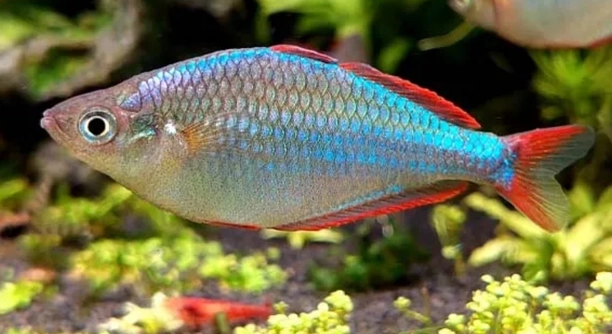
Rainbow fish are vibrant additions to any aquarium, but their behavior can sometimes raise concerns. If you notice your fish gasping at the surface, it may signal an issue affecting their health. Understanding the cause is crucial.
The primary reason for rainbow fish gasping at the top is inadequate oxygen levels in the water. This can be due to poor water circulation, high temperatures, or overcrowding, all of which hinder proper gill function and oxygen intake.
Addressing these factors can improve your fish’s well-being and prevent further stress in the tank.
Common Causes of Oxygen Deficiency in Your Aquarium
Rainbow fish are sensitive to the environment in which they live. When oxygen levels drop, their natural instinct is to swim to the surface to gasp for air. Poor water circulation is one of the main causes of low oxygen. Stagnant water doesn’t allow for proper gas exchange, leading to low oxygen content. In addition, high temperatures can reduce the amount of oxygen dissolved in the water, making it harder for your fish to breathe. Overcrowding is another factor that can lead to oxygen deprivation, as the fish may outcompete each other for air. It’s essential to monitor these factors to keep your rainbow fish healthy.
Adding a filter with strong water flow, adjusting the heater to a moderate temperature, and reducing the number of fish in your tank can significantly improve oxygen levels. These small adjustments make a big difference in your fish’s health and prevent unnecessary stress.
To create a stable environment, ensure your tank has a well-maintained filtration system and is not overcrowded. This will encourage your rainbow fish to thrive.
Improving Water Flow and Filtration
Proper water filtration and movement are essential to provide oxygen to your fish. A strong filter ensures that the water is constantly circulating, which aids in oxygenating the tank. If the filter is not powerful enough, the water may become stagnant, causing the oxygen levels to drop. Additionally, water movement helps prevent debris from accumulating at the bottom of the tank, which could also reduce oxygen levels.
Investing in a high-quality filtration system will improve water quality and reduce the chances of gasping behavior in your rainbow fish. The filter should be appropriate for the size of your tank. Too small of a filter will be ineffective, while an excessively strong filter could disturb the fish. Adjust the water flow to create gentle movement, which will allow your fish to swim freely while ensuring adequate oxygen levels.
Temperature and Its Impact on Oxygen Levels
Water temperature directly affects the amount of oxygen dissolved in the tank. Higher temperatures cause oxygen levels to decrease, making it harder for fish to breathe. When the water becomes too warm, rainbow fish will instinctively swim to the surface for air. It’s important to maintain a stable and moderate water temperature to avoid stress. The ideal range for rainbow fish is between 74°F and 80°F (23°C to 27°C).
To regulate the temperature, use an aquarium heater with a thermometer to monitor the water. Ensure the heater is sized correctly for your tank to maintain consistency. If the water is consistently too warm, consider reducing the temperature gradually, ensuring the change is not too sudden, as it can also cause stress to your fish. A cooling fan can also help if the room temperature rises during hot months.
Overcrowding and the Lack of Oxygen
Overcrowding in a tank leads to increased waste and reduced oxygen availability. As fish produce waste, it decays, consuming oxygen and lowering the levels available to the fish. When there are too many fish in a small space, oxygen can be depleted quickly, causing fish to gasp for air at the surface.
To prevent overcrowding, research the appropriate number of fish your tank can hold based on its size. A general rule is one inch of fish per gallon of water, but this may vary depending on the species. Regular water changes are also necessary to remove excess waste and maintain oxygen levels. Ensure the tank has enough hiding spots and plants to reduce stress, as this encourages fish to move around and find oxygen-rich areas of the water.
Poor Water Quality and Ammonia Levels
Ammonia, a common byproduct of fish waste, decays food, and plant matter, can harm your fish. When levels rise, it depletes oxygen and irritates the gills, causing your rainbow fish to gasp at the surface. Monitoring ammonia levels with a test kit is essential.
To control ammonia, perform regular water changes to dilute the toxins. Use a biological filter to help break down ammonia into less harmful compounds. Consider adding live plants that absorb excess nutrients and help improve water quality. Keeping ammonia levels low reduces stress and promotes a healthier environment for your fish.
The Role of Water Surface Area
The surface area of your aquarium plays a key role in oxygen exchange. A larger surface allows for better gas exchange, which helps oxygen dissolve into the water. If the surface area is limited, oxygen may not be replenished quickly enough.
Ensure your tank is adequately sized for the number of fish. If your tank is too small, consider upgrading to a larger one or adding a surface skimmer to increase the water’s surface area. More surface area means more oxygen, and that can reduce the stress on your rainbow fish.
The Importance of Consistent Tank Maintenance
Consistent tank maintenance is crucial to avoid oxygen deprivation. Over time, filters can become clogged, leading to poor water circulation. This, combined with excess waste, creates an environment where oxygen is scarce. Cleaning your tank regularly and replacing filter media ensures your aquarium stays oxygen-rich.
It’s also important to keep an eye on the water parameters, such as pH, hardness, and nitrate levels. Regular water testing will help detect potential issues before they affect your fish. Keeping the tank clean and well-maintained ensures your rainbow fish remain healthy and comfortable.
FAQ
Why are my rainbow fish swimming near the surface all the time?
Rainbow fish swim near the surface to access oxygen when the water’s oxygen levels are low. Factors such as poor water circulation, high temperatures, overcrowding, or poor water quality can contribute to oxygen deficiency. If your fish are consistently swimming near the surface, check for these issues. Ensuring your tank has good filtration and proper water flow can help prevent this behavior.
Can high water temperature make rainbow fish gasp for air?
Yes, high water temperature can reduce the oxygen levels in your aquarium. As the water heats up, oxygen becomes less soluble, making it harder for fish to breathe. If the water temperature exceeds the optimal range for rainbow fish (74°F to 80°F or 23°C to 27°C), it can cause stress and gasping behavior. Use an aquarium thermometer to monitor the temperature and adjust it as necessary.
How can I improve oxygen levels in my aquarium?
Improving water circulation is one of the most effective ways to increase oxygen levels in your tank. Ensure your filtration system is working properly and is suitable for the size of your aquarium. You can also add an air pump to create more water movement, which will help oxygenate the water. Additionally, regular water changes remove organic waste and help maintain oxygen levels.
Is overcrowding in the tank a reason for gasping?
Yes, overcrowding can lead to oxygen depletion. When too many fish are in a small space, they compete for oxygen. The excess waste produced by a crowded tank also contributes to lower oxygen levels. To prevent this, research how many fish your tank can safely accommodate and perform regular maintenance to keep the water clean.
Should I increase the filtration in my tank?
If your rainbow fish are gasping at the surface, increasing filtration may help. A strong filtration system ensures water is constantly circulating, which promotes oxygen exchange. It also removes toxins and debris, which can reduce water quality. Just be careful not to increase the flow too much, as it could stress your fish.
What are the signs of poor water quality?
Signs of poor water quality include cloudy water, high ammonia levels, and visible algae growth. Fish may appear stressed, swim erratically, or gasp at the surface. If you notice these signs, it’s essential to check the water parameters using a test kit. Regular water changes and maintaining good filtration can help improve water quality.
Can live plants help with oxygen levels?
Yes, live plants can improve oxygen levels in your aquarium. Plants absorb carbon dioxide and release oxygen during photosynthesis, which helps oxygenate the water. Additionally, they can help absorb excess nutrients, reducing the risk of algae growth and improving overall water quality. Consider adding plants like Anubias or Java fern to your tank.
How often should I clean my tank to prevent oxygen issues?
Cleaning your tank regularly is important for maintaining healthy oxygen levels. Perform partial water changes every 1-2 weeks to remove organic waste and debris. Clean the filter regularly to ensure it’s working efficiently. Avoid overfeeding your fish, as uneaten food can decompose and contribute to poor water quality.
Why do my rainbow fish seem stressed when I change the water?
Fish can become stressed if the water change is too abrupt. Rapid changes in temperature, pH, or other water parameters can cause shock. To avoid stressing your fish, make sure the new water is the same temperature as the tank water. Use a dechlorinator if you’re using tap water and monitor the water parameters regularly to keep them stable.
Can I use an air pump to increase oxygen levels?
Yes, an air pump can help improve oxygen levels in your tank. It creates bubbles that agitate the water’s surface, allowing more oxygen to dissolve into the water. Air pumps also promote better water circulation, especially if your tank has poor filtration. Just ensure the pump is not too strong for your tank size.
How do I test the water for oxygen levels?
While there isn’t a direct way to test for oxygen levels in your aquarium, you can monitor water parameters that affect oxygen. Ammonia, nitrite, and nitrate levels can indicate poor water quality, which can lead to oxygen depletion. Use a test kit to measure these levels and ensure they are within safe ranges. Regular water changes and proper filtration will help maintain oxygen levels.
Is it normal for rainbow fish to gasp after a water change?
Rainbow fish may gasp after a water change if the water temperature or parameters change too suddenly. Make sure to acclimate the water gradually by adding small amounts of new water to the tank over time. This helps prevent shock and minimizes the chances of gasping behavior.
How can I prevent algae from affecting oxygen levels?
Algae can deplete oxygen levels by consuming it during the night when they don’t photosynthesize. To prevent algae growth, limit the amount of light your tank receives and remove excess nutrients that algae feed on. Regularly clean your tank and consider adding algae-eating species to keep the growth in check.
Can a decrease in light affect my rainbow fish?
A decrease in light can affect your rainbow fish’s overall health, but it is unlikely to directly cause gasping. However, reduced lighting can harm live plants, reducing their oxygen output. Ensure your tank receives a proper light cycle, ideally 10-12 hours of light each day, to support healthy plant growth and oxygen levels.
Are rainbow fish sensitive to changes in their environment?
Yes, rainbow fish are sensitive to changes in their environment. They can easily become stressed by rapid changes in water temperature, quality, or tank conditions. Gradual adjustments to the tank, such as temperature changes or water changes, will help reduce stress and prevent behavioral issues like gasping.
What are some signs that my rainbow fish might be ill?
In addition to gasping at the surface, other signs of illness include abnormal swimming patterns, loss of appetite, or discoloration. If your fish appear lethargic, have torn fins, or are rubbing against objects, these may be signs of an underlying health issue. It’s important to address water quality and consult a vet if symptoms persist.
Final Thoughts
Addressing the cause of gasping in rainbow fish involves identifying key factors like water quality, oxygen levels, and environmental conditions. Poor water quality is often the primary culprit, with ammonia, nitrate, and nitrite levels directly affecting fish health. Regular testing is necessary to keep track of water parameters. Consistent water changes, appropriate filtration, and adding live plants can help maintain a stable and healthy environment. Ensuring that the water remains clean and well-oxygenated should be a priority, as these conditions are essential for your fish’s well-being.
Temperature plays a significant role in oxygen solubility. Warmer water holds less oxygen, and if the temperature in your tank rises beyond the ideal range, it can stress your rainbow fish, making them gasp for air. Keeping the water temperature stable within the recommended range is crucial to their health. This can be achieved by monitoring with a thermometer and adjusting the heater as needed. It’s also essential to avoid overcrowding, as it can deplete oxygen levels quickly, causing your fish to seek out the water’s surface for air. Avoiding overfeeding and cleaning the tank regularly will also help maintain the right balance in the aquarium.
Finally, ensuring proper water circulation and increasing the surface area for oxygen exchange can alleviate many common issues. Consider using air pumps or improving the filter system to create a healthier environment. A well-maintained aquarium is a key component in the overall health of your fish. Being proactive and monitoring changes in their behavior or the water conditions will help prevent unnecessary stress. With the right care, your rainbow fish can thrive, stay active, and exhibit healthy, vibrant behaviors without frequent gasping.

Hello,
If you enjoy the content that we create, please consider saying a "Thank You!" by leaving a tip.
Every little bit helps us continue crafting quality advice that supports the health, happiness, and well-being of pets around the world, for pets of all shapes, sizes, and species.
We really appreciate the kindness and support that you show us!