
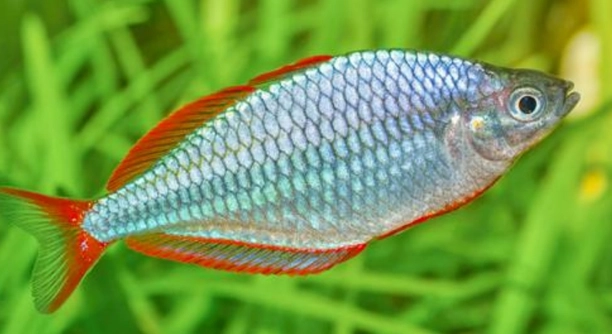
Rainbow fish are lively creatures that can sometimes seem a bit too energetic in the tank. If you’ve noticed your rainbow fish darting around, it could be a sign of something more than just playfulness.
Rainbow fish darting around is typically due to stress or excitement, often caused by environmental factors. Overcrowding, improper water conditions, or the presence of other aggressive fish can contribute to this behavior. Addressing these issues can help reduce their frantic movement.
Knowing the reasons behind your rainbow fish’s behavior will help you make the necessary changes to create a more comfortable and stable environment.
Common Reasons for Rainbow Fish Darting Around
One of the most common causes of rainbow fish darting around is stress. Stress can be triggered by various factors, including poor water quality, sudden changes in the environment, or incompatible tank mates. If you notice your fish swimming erratically, it’s important to check the tank’s water parameters—like temperature, pH, and ammonia levels. Poor water quality can lead to irritability, causing fish to swim more vigorously as they attempt to escape the discomfort.
Additionally, overcrowding can exacerbate stress. Rainbow fish need ample space to thrive, and if there are too many fish in a tank, it can lead to aggression and anxiety. Fish that are constantly darting may be trying to avoid others or may feel threatened by a larger, more dominant fish.
Making sure your tank is properly maintained and not overcrowded can help reduce stress and restore calm to your fish. Regular water changes and providing enough space for each fish to swim comfortably can make a significant difference in their behavior.
Water Temperature and Tank Conditions
Fish are sensitive to temperature changes, and an unstable water temperature can contribute to erratic swimming behavior.
Rainbow fish prefer a temperature range of 72 to 80°F (22 to 27°C). If the water is too warm or too cold, it can affect their activity levels and overall health. Be sure to invest in a reliable heater and thermometer to maintain the proper temperature range for your fish.
Tank Mates and Aggression
Tank mates play a large role in the behavior of your rainbow fish. Some fish can be overly aggressive, which might cause stress in your rainbow fish, leading them to dart around the tank.
It’s important to select peaceful species that are compatible with rainbow fish. When choosing other fish, look for those that share similar water conditions and temperament. Avoid placing rainbow fish in tanks with overly territorial or fast-moving fish that could stress them out.
Aggression can also come from within the same species. Rainbow fish can become territorial during mating seasons or when they feel their space is being invaded. Providing plenty of hiding spots and creating a natural environment in your tank can help reduce these tensions.
Ensuring the right tank mates and environment can encourage your rainbow fish to feel secure, which can calm their behavior and reduce erratic swimming.
Overfeeding and Feeding Habits
Overfeeding can cause your rainbow fish to become stressed and active in an attempt to find food. Excess food left in the tank can also negatively affect water quality, which can further stress the fish.
It’s essential to only feed your rainbow fish the amount they can consume in 2-3 minutes. This prevents excess food from decaying and polluting the water. A regular feeding schedule helps ensure they are getting proper nutrition without the risk of overfeeding. Additionally, keeping the tank clean will reduce waste and improve water quality, which can help with their behavior.
Rainbow fish are typically not aggressive eaters, but they do enjoy consistent meals. Observing their feeding habits and adjusting portion sizes can help maintain a calm, stable environment in your tank. Fish that feel well-fed are less likely to dart around or act out of frustration.
Tank Size and Space
Rainbow fish require enough space to swim freely, and too small of a tank can lead to excessive darting. A cramped environment increases stress and limits the fish’s ability to engage in natural behaviors.
For optimal care, it’s recommended to keep rainbow fish in tanks of at least 30 gallons. A larger tank allows for more fish to be housed without overcrowding, ensuring each fish has enough room to swim and feel safe. A well-planted tank with open swimming areas can also help prevent unnecessary stress by offering hiding spots and territories for each fish.
Maintaining an appropriate tank size promotes the overall health and well-being of your rainbow fish, helping to minimize darting behavior caused by environmental constraints.
Lighting and Tank Setup
Improper lighting can make rainbow fish feel stressed, causing erratic behavior. Intense or flickering lights can be unsettling for them.
It’s best to use soft, steady lighting that mimics natural daylight. LED lights are a good option, as they are gentle on the fish and help reduce stress.
The setup of the tank also plays a role in their comfort. Adding plants, driftwood, or rocks creates a more natural environment, giving your fish places to hide when they need a break. This type of environment can calm their behavior and reduce darting.
Water Parameters and Filtration
Maintaining proper water parameters is essential for rainbow fish. They thrive in stable conditions, with a pH level between 6.5 and 7.5, and soft to moderately hard water.
Regularly test the water to ensure these conditions are met. Using a good filtration system will also help keep the water clean, preventing the build-up of harmful substances. This reduces stress and promotes healthy, calmer behavior in your fish.
Illness and Health Issues
Health problems can cause rainbow fish to swim erratically. Parasites, infections, or injuries might make them more active in an attempt to alleviate discomfort.
It’s important to monitor your fish for any signs of illness, such as loss of appetite, visible lesions, or abnormal behavior. If you suspect illness, it’s best to quarantine the affected fish and treat the issue promptly. A quick response can prevent the spread of disease and restore balance to the tank.
FAQ
Why are my rainbow fish darting around the tank?
Rainbow fish often dart around due to stress or excitement. It could be caused by poor water quality, overcrowding, incompatible tank mates, or sudden changes in the environment. Ensuring a stable and clean environment, with proper tank size and compatible fish, can help reduce this behavior.
How can I reduce the darting behavior of my rainbow fish?
To reduce darting, check the water quality and make sure it’s within the ideal parameters for rainbow fish. Make sure your tank is not overcrowded and that all tank mates are peaceful. Providing plants and hiding spots in the tank can also help the fish feel more secure and reduce anxiety.
Is darting a sign of aggression in rainbow fish?
While darting can be a sign of aggression, especially in the presence of other dominant fish, it is more often a response to stress or discomfort. Aggression is typically more noticeable during territorial disputes or mating seasons, but it can be triggered by a variety of environmental factors.
How do I know if my rainbow fish is stressed?
In addition to darting around the tank, signs of stress in rainbow fish include hiding, rapid gill movement, loss of appetite, or abnormal swimming patterns. Stress can be caused by poor water conditions, overcrowding, aggressive tank mates, or temperature fluctuations.
Can I keep rainbow fish with other types of fish?
Yes, rainbow fish are generally peaceful and can live with many other species, as long as their tank mates are not overly aggressive. It’s best to choose peaceful fish that thrive in similar water conditions and have a similar temperament. Avoid aggressive or overly active species that may stress your rainbow fish.
What is the ideal tank size for rainbow fish?
Rainbow fish need enough space to swim freely. A minimum of 30 gallons is recommended for a small group, with larger tanks being ideal for larger schools. A larger tank helps prevent overcrowding and provides more swimming room, which can reduce stress and darting behavior.
How often should I feed rainbow fish?
Rainbow fish should be fed once or twice a day, with only as much food as they can consume in a few minutes. Overfeeding can lead to water quality issues and stress. A varied diet including high-quality flake food, pellets, and occasional live or frozen foods will help keep your fish healthy.
What water temperature is best for rainbow fish?
Rainbow fish prefer water temperatures between 72°F and 80°F (22°C to 27°C). Sudden temperature fluctuations can stress them out, causing erratic swimming. Using a reliable aquarium heater will help maintain a stable and comfortable environment for your fish.
How can I tell if my rainbow fish is sick?
Signs of illness in rainbow fish include faded colors, unusual swimming patterns (such as staying at the bottom or swimming erratically), lack of appetite, visible lesions or growths, and heavy breathing. If you notice any of these signs, it’s important to isolate the sick fish and treat it promptly.
Do rainbow fish need special tank conditions?
Rainbow fish thrive in water that is slightly acidic to neutral (pH 6.5–7.5) and soft to moderately hard. Regular water changes, a good filtration system, and keeping the water temperature stable are essential for their health. Avoid sudden changes in water conditions to reduce stress.
Can rainbow fish live with shrimp or snails?
Rainbow fish are generally peaceful toward shrimp and snails, but larger rainbow fish may view smaller shrimp as food. It’s best to choose larger shrimp species or those that are well-established in the tank. Snails are usually safe, as long as the fish aren’t large enough to eat them.
Why is my rainbow fish swimming in circles?
Swimming in circles can be a sign of a few things. It might indicate stress, lack of space, or a symptom of illness, such as a neurological issue or a parasite. Check for signs of poor water quality or disease and consider adjusting the environment or consulting a vet.
How can I reduce stress in my rainbow fish?
To reduce stress, make sure the tank is the right size for the number of fish and that the water parameters are ideal. Avoid sudden changes in the tank and provide plenty of hiding places and plants to make the environment feel safer. Reducing aggression from other fish can also help alleviate stress.
Can rainbow fish live in a community tank?
Yes, rainbow fish are well-suited for community tanks as long as their tank mates are peaceful. They are social fish that do well in groups and enjoy a peaceful environment. Choose compatible species that have similar care requirements and avoid overly aggressive fish.
Are rainbow fish active at night?
Rainbow fish are primarily active during the day. They may be less active at night or hide in plants and decorations, especially if they feel insecure or stressed. If you notice excessive activity during the night, check for any environmental stressors such as light disturbances or changes in water conditions.
What is the best way to introduce new rainbow fish to my tank?
When adding new rainbow fish to your tank, use a quarantine tank first to ensure they are healthy and free from disease. After a few days, introduce them gradually to your main tank to minimize stress. Monitor their interactions with existing fish to avoid aggression or territorial disputes.
Why are my rainbow fish losing their color?
A loss of color can be a sign of stress, poor water conditions, or illness. Ensure the water temperature, pH, and hardness are within the ideal range. Poor nutrition or excessive stress from tank mates can also cause faded colors. Make sure your fish are eating a balanced diet and that they have a calm, stable environment.
Do rainbow fish like strong currents?
Rainbow fish typically prefer mild to moderate water flow, simulating their natural environment in rivers and streams. A strong current can stress them out and cause erratic swimming. Using a gentle filter or an adjustable pump can help maintain a suitable water flow for rainbow fish.
How can I prevent my rainbow fish from jumping out of the tank?
Rainbow fish are known to occasionally jump out of the tank, especially if they feel threatened or stressed. To prevent this, ensure the tank has a secure lid or cover. Adding plants or decorations near the surface can help discourage jumping by providing a sense of safety.
Final Thoughts
Rainbow fish are beautiful and relatively easy to care for, but their darting behavior can sometimes cause concern. Understanding the root causes behind this erratic swimming can help you create a more stable and comfortable environment for them. From water quality to tank mates and lighting, a few adjustments can make a significant difference in your fish’s behavior. By ensuring their tank is large enough, well-maintained, and provides a peaceful atmosphere, you can reduce stress and improve the overall health of your rainbow fish.
A consistent and stable environment is key to keeping your rainbow fish calm. These fish thrive in tanks that replicate their natural habitat, with plenty of plants and hiding spots. The water temperature should be within the ideal range, and the pH should be kept stable. Regular water testing and proper filtration are essential in maintaining these conditions. Overcrowding and sudden changes in the environment can cause stress, so it’s important to keep the tank balanced and avoid adding too many fish at once.
If your rainbow fish continue to dart around despite creating a healthy environment, it may be worth checking for any signs of illness or disease. Fish can become more active when they are unwell, and addressing any health issues quickly can help prevent further complications. Whether the cause is stress, health problems, or even mating behavior, understanding and observing your fish’s habits is the best way to ensure they remain healthy and comfortable.

Hello,
If you enjoy the content that we create, please consider saying a "Thank You!" by leaving a tip.
Every little bit helps us continue crafting quality advice that supports the health, happiness, and well-being of pets around the world, for pets of all shapes, sizes, and species.
We really appreciate the kindness and support that you show us!