
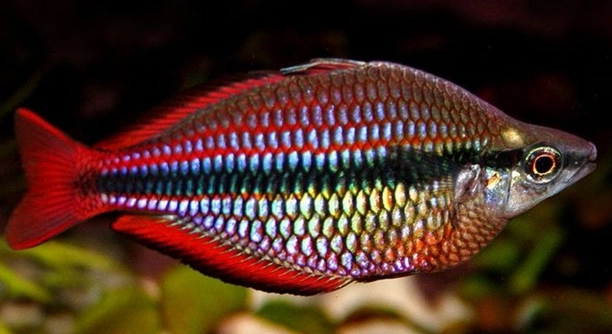
Rainbow fish are known for their vibrant colors, but sometimes their breathing can become faster than usual. Understanding the reasons behind this can help ensure their well-being and prevent unnecessary stress in your aquarium.
Increased breathing in rainbow fish is typically caused by stress, poor water quality, or health issues. Factors such as low oxygen levels, improper temperature, or diseases can contribute to this behavior, signaling the need for immediate attention.
Understanding these potential causes will help you take the necessary steps to improve the conditions of your tank and maintain a healthier environment for your fish.
Understanding the Causes of Fast Breathing in Rainbow Fish
When rainbow fish begin to breathe rapidly, it is often a sign that something in their environment isn’t quite right. This can be a reaction to several factors that affect their health. Poor water quality is one of the most common causes, as fish rely on clean, oxygen-rich water to breathe comfortably. Low oxygen levels, improper water temperature, and even the presence of toxins can cause fish to struggle for air. Additionally, stress from sudden changes in the aquarium environment or the presence of aggressive tankmates can lead to fast breathing as a sign of distress.
It’s essential to monitor water conditions closely, as fish can react sensitively to changes. Ammonia and nitrite spikes in the water can harm gills and hinder oxygen absorption, making it harder for your fish to breathe.
A thorough cleaning of the tank, adjusting the filtration system, and ensuring consistent water temperature can often help resolve these issues. Adding aerators or adjusting water flow may help increase oxygen levels, providing better breathing conditions. By ensuring a stable environment, your rainbow fish should experience less stress and breathe normally.
The Role of Temperature and Oxygen Levels
Temperature fluctuations can significantly affect your rainbow fish’s breathing rate. Fish are cold-blooded creatures, so their metabolism and respiration rates are heavily influenced by the surrounding water temperature. Warmer water holds less oxygen, which can force your fish to breathe more rapidly to get enough oxygen. On the other hand, if the water temperature is too cold, fish may slow down, but their oxygen consumption will still increase as their bodies try to adjust to the cooler conditions.
It’s important to maintain a steady temperature range between 75°F and 80°F for rainbow fish. Ensuring that the tank heater is functioning correctly can help prevent sudden temperature changes that might stress your fish. Monitoring oxygen levels is equally crucial. Using a water testing kit and ensuring proper aeration in your aquarium can help prevent rapid breathing caused by low oxygen levels.
Poor Water Quality and Its Effects
Fish rely on clean water to stay healthy. Ammonia and nitrites can build up quickly in an aquarium if not properly maintained. These harmful substances can damage a fish’s gills, leading to difficulty breathing. Even small changes in water quality can cause rapid breathing as the fish struggles to survive.
To avoid this, ensure that the aquarium is cleaned regularly, and water changes are done frequently. Invest in a quality filtration system to help remove toxins. Always test the water for ammonia, nitrites, and nitrates, and use water conditioners when necessary to maintain proper water quality.
When water quality is poor, it can also make fish more vulnerable to disease. Stress from bad water conditions weakens their immune system, leading to higher chances of infection. Keeping your tank’s water parameters in check helps your fish stay healthy and breathe easily.
Tankmates and Stress Factors
Aggressive or overly active tankmates can cause stress in your rainbow fish, leading to faster breathing. Territorial disputes or harassment from other fish may leave your rainbow fish feeling threatened. Fish that feel stressed or unsafe often respond by breathing faster to cope with the anxiety.
It’s important to carefully consider the compatibility of species in your aquarium. Some fish are more peaceful and can live with rainbow fish without causing stress. However, others may be more aggressive, and the stress they cause can lead to behavioral changes like rapid breathing. If aggressive tankmates are the cause, consider separating them or adjusting your setup.
Stress can also come from sudden changes in the environment, such as lighting, new decorations, or even tank size. Gradually acclimating fish to new conditions can reduce stress levels and help maintain normal breathing patterns.
Illness and Disease
Illness can cause a rapid increase in breathing in rainbow fish. Parasites, bacterial infections, or fungal diseases can damage the gills, making it harder for the fish to get enough oxygen. If your fish are showing signs of illness, this could be the root cause of their fast breathing.
Monitoring for signs of illness like discoloration, lesions, or abnormal behavior is essential. If you notice these symptoms, it’s important to quarantine the affected fish and seek treatment immediately. Treating the infection early can prevent the condition from worsening and reduce stress on your fish.
Inadequate Oxygen Levels
Low oxygen levels are a common cause of rapid breathing. If the water doesn’t have enough oxygen, fish will try to compensate by increasing their breathing rate. Poor aeration, overcrowding, or a lack of water movement can all contribute to low oxygen levels.
Using an air pump or increasing water movement with a filter can help ensure that your fish are getting the oxygen they need. Keep the tank clean and avoid overfeeding, as uneaten food can contribute to oxygen depletion. Regular water changes can also improve oxygen levels.
Environmental Changes
Sudden changes in the tank environment can cause stress, leading to rapid breathing. This can include fluctuations in temperature, water quality, or even adding new decorations or tankmates. Fish are sensitive to changes and may react by breathing more heavily.
FAQ
What causes rainbow fish to breathe fast?
Rainbow fish can breathe faster due to various factors such as poor water quality, low oxygen levels, improper temperature, or stress from tankmates. If they are experiencing these conditions, they may struggle to get enough oxygen, leading to rapid breathing. Infections or diseases affecting their gills can also cause this response.
How do I know if my rainbow fish is sick?
Sick rainbow fish often show signs such as abnormal swimming, loss of color, lesions, or fins clamped tightly against their bodies. You may also notice changes in behavior, like lethargy or hiding more than usual. If your fish is breathing rapidly and exhibiting these symptoms, it’s time to check for illness.
Can water temperature cause fast breathing in rainbow fish?
Yes, water temperature directly affects a rainbow fish’s breathing rate. If the water is too warm, it can reduce oxygen levels, making your fish work harder to breathe. Conversely, water that is too cold can cause the fish to breathe faster as they attempt to adjust to the temperature.
How can I improve oxygen levels in my tank?
To improve oxygen levels, you can use an air pump or increase water movement with a filter. Adding more plants can also help, as they release oxygen into the water during photosynthesis. Regular water changes and avoiding overfeeding are additional ways to maintain healthy oxygen levels.
Is my tank overcrowded?
Overcrowding can reduce oxygen levels in the tank, leading to faster breathing. If your tank feels cramped and your fish are having trouble moving around, it might be overcrowded. Check your tank size and make sure you’re not housing too many fish for its volume.
What water parameters should I monitor for my rainbow fish?
For healthy rainbow fish, focus on ammonia, nitrite, nitrate, and pH levels. Ammonia and nitrite should always be at 0 ppm, while nitrates should be kept under 20-40 ppm. The ideal pH level for rainbow fish is between 6.5 and 7.5. Regular testing helps keep water conditions stable.
Can stress from tankmates cause fast breathing?
Yes, aggressive or overly active tankmates can stress your rainbow fish. If the fish feel threatened or harassed, they may start to breathe faster. To avoid this, make sure the tankmates are compatible and that there’s enough space for each fish to thrive.
How often should I clean my tank?
Cleaning your tank regularly is essential to maintaining water quality. Perform partial water changes every week or bi-weekly, and clean the substrate as needed. Make sure to rinse filters monthly and replace any worn-out media to keep the tank in good condition.
Can overfeeding cause fast breathing?
Yes, overfeeding can lead to uneaten food in the tank, which decomposes and harms water quality. This can lower oxygen levels, causing your fish to breathe faster. To avoid this, feed your fish in small amounts, ensuring they consume all the food within a few minutes.
Should I use a heater for my rainbow fish tank?
A heater is important to maintain a stable water temperature for your rainbow fish. Rainbow fish thrive in temperatures between 75°F and 80°F. Using a reliable heater ensures that the water stays within this range, preventing stress or breathing problems caused by temperature fluctuations.
What should I do if my rainbow fish is breathing rapidly?
First, check the water quality and ensure that the tank is properly cleaned. Test for ammonia, nitrite, and nitrate levels, and adjust if necessary. Make sure the oxygen levels are adequate by adding an air pump or increasing water movement. If the problem persists, monitor for signs of illness and seek medical treatment for your fish.
Can parasites cause fast breathing in rainbow fish?
Parasites, like gill flukes, can affect your rainbow fish’s breathing. These parasites damage the gills, making it difficult for the fish to breathe normally. If your fish is showing symptoms like excessive breathing, abnormal behavior, or gill irritation, it’s worth investigating whether parasites are involved. Treatment for parasites is available in most pet stores.
What are the signs of poor water quality?
Signs of poor water quality include cloudy water, visible algae growth, and a strong, unpleasant odor. Fish may start breathing faster, swim erratically, or show signs of stress. If you notice any of these signs, perform a water test and take action to improve the conditions in your tank.
How do I keep my rainbow fish healthy?
To keep your rainbow fish healthy, ensure proper water quality by testing regularly and performing water changes. Provide a balanced diet with variety, avoid overcrowding, and keep their tankmates peaceful. A stable environment with appropriate temperature and oxygen levels is crucial for maintaining their well-being.
Final Thoughts
Rainbow fish are beautiful and hardy creatures, but they can experience issues like rapid breathing when the conditions in their tank are not ideal. Monitoring the water quality is crucial for their health, as poor water can lead to stress and illness. Ensuring the water is clean and free from harmful substances like ammonia and nitrites is a key factor in preventing respiratory problems. Regular water changes, proper filtration, and testing for harmful chemicals will go a long way in maintaining a healthy environment for your fish.
Temperature is another important factor to consider. Rainbow fish thrive in a stable water temperature of around 75°F to 80°F. Extreme fluctuations in temperature can stress them out and cause faster breathing as they try to adjust. A reliable heater and thermometer will help you maintain a consistent temperature. It’s also worth checking that the tank is not overcrowded, as too many fish can lead to oxygen depletion, which could make your rainbow fish breathe rapidly. Be mindful of how many fish you have in relation to the size of your tank.
Lastly, always pay attention to the behavior of your fish. If you notice any unusual symptoms like faster breathing, lethargy, or unusual swimming patterns, it’s important to act quickly. Check the water parameters, inspect for any signs of illness, and address any stress factors in the tank. While it may seem like a small issue, persistent rapid breathing can signal a larger underlying problem. Taking preventive measures and staying vigilant can help ensure that your rainbow fish remain healthy and vibrant for a long time.

Hello,
If you enjoy the content that we create, please consider saying a "Thank You!" by leaving a tip.
Every little bit helps us continue crafting quality advice that supports the health, happiness, and well-being of pets around the world, for pets of all shapes, sizes, and species.
We really appreciate the kindness and support that you show us!