
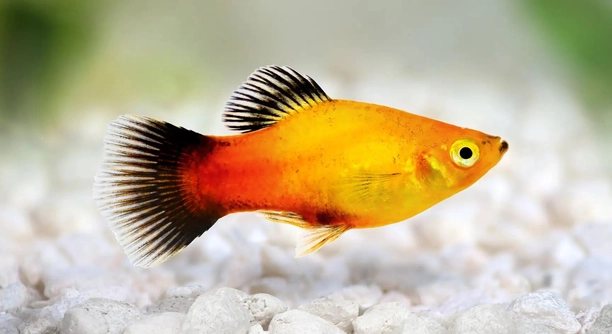
Are your platies swimming upside down and leaving you puzzled? It can be unsettling to see your peaceful fish behave oddly in their tank. This unusual movement often signals an underlying health issue that needs attention.
Platies swimming upside down usually suffer from swim bladder disorder, which affects their buoyancy control. This condition can arise from infections, constipation, or poor water quality, leading to difficulty in maintaining normal swimming posture. Proper diagnosis and treatment are essential to restore their balance.
Understanding what causes this behavior can help you provide better care for your platies and keep your aquarium environment healthy. Learning more about these signs can improve your fish’s wellbeing.
Causes of Swim Bladder Disorder in Platies
Swim bladder disorder is the main reason why platies swim upside down. This disorder affects the organ that controls their buoyancy, making it hard for them to stay upright. Poor water quality is a frequent cause, as it can stress the fish and weaken their immune systems. Overfeeding or feeding the wrong foods can lead to constipation, which puts pressure on the swim bladder. Bacterial or parasitic infections also cause swelling or damage to this organ. Sometimes, sudden temperature changes or rough handling during tank cleaning can trigger the problem. It’s important to observe your fish closely and note any other unusual behaviors like lethargy or loss of appetite, which often accompany swim bladder issues.
When water conditions are poor, it worsens the problem by increasing stress and making recovery difficult.
Keeping the tank clean and feeding a balanced diet are crucial steps to prevent these issues. If you notice signs of infection, consult a vet or aquarium specialist for treatment options like antibiotics or antiparasitic medication.
How to Help Your Platies Recover
The first step is to improve water quality by performing partial water changes and checking parameters like ammonia, nitrite, and pH. Feeding your platies peas that have been cooked and peeled can relieve constipation, easing pressure on the swim bladder. Avoid overfeeding by offering small amounts once or twice a day. If infections are suspected, appropriate medication must be given as directed. Maintaining a stable tank temperature around 75-78°F supports healing. Reducing stress by keeping the tank environment calm and avoiding sudden movements also helps. With proper care, most platies recover within a few weeks, returning to normal swimming behavior. Consistency in tank maintenance and diet is key to preventing future swim bladder problems and keeping your fish healthy.
Preventing Swim Bladder Issues
Good water quality is essential to prevent swim bladder problems. Regular partial water changes and testing water parameters help keep the tank environment stable. Avoid overfeeding by giving small portions appropriate for your platies’ size.
Maintaining a clean tank means removing uneaten food and waste promptly. This reduces harmful bacteria and toxins that stress your fish. Feeding high-quality, varied food supports digestion and prevents constipation. Introducing fiber-rich foods like peas occasionally helps keep their digestive system healthy. Keeping the tank temperature steady and avoiding overcrowding also lowers stress, which is a common factor in swim bladder disorders.
Consistent care and attention to your platies’ environment greatly reduce the chance of health issues. Observing their behavior daily helps catch problems early. Addressing diet and water conditions early often prevents serious swim bladder complications.
Signs of Other Health Problems to Watch For
Swimming upside down can indicate swim bladder issues but may also be a symptom of other health problems. Look for signs like clamped fins, rapid breathing, or changes in appetite, which could point to infections or parasites.
If your platies seem lethargic or show discoloration, they might have bacterial or fungal infections. Parasites often cause scratching against objects or visible spots on the body. Stress from poor tank conditions can weaken their immune system, making them prone to illness. Monitoring your fish regularly and acting quickly if you notice these symptoms will improve their chances of recovery. Early treatment helps avoid worsening conditions and keeps your aquarium balanced.
Monitoring Tank Conditions
Keeping a regular schedule for water testing is vital. Testing ammonia, nitrite, nitrate, and pH levels helps catch problems early before they affect your platies.
Use reliable test kits and record the results to track trends. This helps you spot changes that may cause stress or illness.
Adjusting Diet for Better Health
A balanced diet supports your platies’ digestion and immune system. Feed them high-quality flakes or pellets designed for tropical fish, and supplement with fresh or frozen foods like brine shrimp or bloodworms. Avoid overfeeding to prevent constipation, a common cause of swim bladder issues.
When to Seek Professional Help
If your platies’ condition worsens or does not improve after care changes, consulting a vet or aquarium specialist is important. They can provide proper diagnosis and treatment options that may not be available at home.
Importance of Tank Size
A spacious tank reduces stress and promotes healthier swimming habits. Keeping platies in an adequately sized tank prevents overcrowding, which can cause aggressive behavior and poor water quality.
Why are my platies swimming upside down?
Platies swimming upside down often have swim bladder disorder, which affects their ability to control buoyancy. This can be caused by constipation, infections, poor water quality, or injury. The swim bladder becomes unable to keep the fish balanced, causing them to float or sink unevenly.
Can swim bladder disorder be cured?
Yes, many cases of swim bladder disorder can be treated successfully. Improving water quality, feeding peas to relieve constipation, and using medications for infections usually help. Recovery can take days to weeks, depending on the severity and cause.
Is poor water quality the main cause of swim bladder problems?
Poor water quality is a major factor because it stresses fish and weakens their immune systems. High ammonia, nitrite, or nitrate levels irritate fish internally and can lead to infections or digestive problems affecting the swim bladder.
How often should I change the water to prevent swim bladder issues?
Changing 20-30% of the tank water weekly helps keep ammonia and nitrates low. Regular water changes remove waste and uneaten food that cause toxins. This supports fish health and reduces stress.
What foods should I avoid to prevent constipation?
Avoid overfeeding and feeding only flakes or dry pellets, which can cause constipation. Instead, provide a balanced diet with occasional fresh vegetables like peas or blanched spinach to add fiber and aid digestion.
Can temperature changes cause my platies to swim upside down?
Sudden or large temperature fluctuations can stress platies and disrupt their metabolism, potentially affecting swim bladder function. Keeping the tank temperature stable, around 75-78°F (24-26°C), is important.
When should I see a vet for my fish?
If your platy’s condition worsens despite care, or if other symptoms like redness, spots, or severe lethargy appear, it’s time to seek professional help. A vet or aquatic specialist can prescribe medications or treatments that home care cannot provide.
Is swim bladder disorder contagious to other fish?
Swim bladder disorder itself is not contagious. However, if caused by bacterial or parasitic infections, these can spread to other fish. Quarantining sick fish and treating infections promptly helps prevent outbreaks.
Can stress cause my platies to swim upside down?
Yes, stress from overcrowding, aggressive tank mates, or poor water conditions can contribute to swim bladder issues. Reducing stress by keeping a calm environment and suitable tank mates supports recovery.
How can I improve my platies’ environment to prevent health issues?
Maintain clean water with regular changes, provide a balanced diet, avoid overcrowding, and keep stable water temperature. Adding plants and hiding spots creates a natural environment that reduces stress.
Is swim bladder disorder common in platies?
Yes, swim bladder disorder is relatively common in platies and other small tropical fish. Their small size and sensitive digestive systems make them prone to buoyancy problems, especially if care is inconsistent.
How long does it take for a platy to recover from swim bladder disorder?
Recovery time varies from a few days to several weeks. Mild cases often improve quickly with diet changes and water care. Severe cases with infection or injury may need longer treatment.
What is the best way to feed peas to my platies?
Cook peas until soft, remove the outer skin, and cut them into small pieces. Feed a small amount to your platies once or twice a week to help relieve constipation.
Can swim bladder problems cause death?
If left untreated, severe swim bladder issues can lead to complications like difficulty eating or avoiding predators in community tanks. Early care improves survival chances.
Are there any signs that indicate swim bladder problems early?
Early signs include difficulty swimming upright, floating sideways, or struggling to stay at the bottom or top of the tank. Changes in appetite or behavior often accompany these symptoms.
Should I isolate my platy if it swims upside down?
Isolating the fish in a separate hospital tank can reduce stress and make treatment easier. It also protects other fish if an infection is involved.
Can I prevent swim bladder problems with supplements?
Some aquarists use probiotics or vitamin supplements to support digestion and immunity. While not guaranteed, these can help maintain fish health when combined with good tank care.
What tank size is best for platies to reduce health issues?
A minimum of 10 gallons is recommended for a small group of platies. Larger tanks provide more stable water conditions and reduce stress caused by overcrowding.
Is it normal for platies to sometimes swim upside down?
Occasional brief swimming upside down is unusual but not always serious. Persistent or frequent upside-down swimming usually indicates a problem.
Can swim bladder disorder be prevented completely?
While it cannot always be avoided, good tank maintenance, proper feeding, and stress reduction greatly reduce the risk of swim bladder problems. Regular observation helps catch issues early.
When platies swim upside down, it is usually a sign that something is wrong with their swim bladder. This small organ helps fish control their balance and stay upright in the water. When it does not work properly, the fish will struggle to swim normally. Causes often include constipation, infections, poor water quality, or injuries. Paying attention to these signs early can help you take the right steps to support your fish’s health. Regular care and observation are important to catch any issues before they become serious.
Taking care of platies means keeping their tank clean and feeding them a balanced diet. Water quality plays a big role in their health. Doing regular water changes and testing water parameters prevents harmful toxins from building up. Overfeeding or feeding the wrong food can cause constipation, which puts pressure on the swim bladder. Adding vegetables like peas to their diet can improve digestion. It is also important to maintain a stable temperature and reduce stress by avoiding overcrowding or aggressive tank mates. These simple steps can go a long way in preventing swim bladder problems.
If a platy shows signs of swim bladder disorder, there are ways to help. Improving tank conditions, adjusting diet, and possibly using medication can support recovery. Sometimes, professional help may be needed if the condition does not improve. Recovery can take time, but with patience and care, most platies return to normal swimming behavior. Keeping a healthy environment and watching for early symptoms helps protect your fish and keeps your aquarium a safe place for them to live.

Hello,
If you enjoy the content that we create, please consider saying a "Thank You!" by leaving a tip.
Every little bit helps us continue crafting quality advice that supports the health, happiness, and well-being of pets around the world, for pets of all shapes, sizes, and species.
We really appreciate the kindness and support that you show us!