
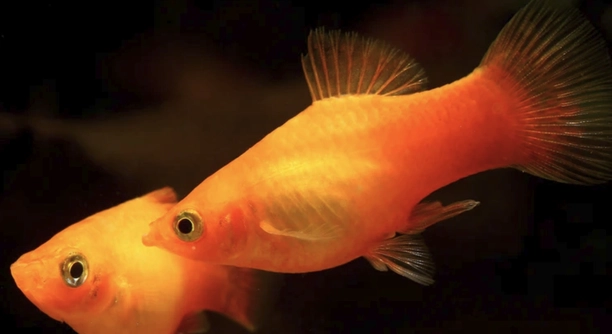
Are your platies spending most of their time near the water’s surface? This behavior can be worrying for fish owners who want their pets to thrive. Understanding why they act this way can help keep your aquarium healthy.
Platies staying near the surface often indicate issues like low oxygen levels, poor water quality, or temperature stress. These factors cause fish to seek better conditions at the top, where oxygen concentration tends to be higher and water warmer.
Recognizing these signs early helps maintain a balanced environment and ensures your platies remain comfortable and healthy in their home.
Common Causes of Platies Staying Near the Surface
Platies often stay near the surface because they need more oxygen than what is available deeper in the tank. Poor water circulation or overstocking can reduce oxygen levels in the water. When the oxygen near the bottom is low, platies swim near the surface where oxygen is higher. Water temperature also affects oxygen levels. Warmer water holds less oxygen, so if the tank temperature is too high, your fish may struggle to breathe properly. Another reason is poor water quality. High levels of ammonia, nitrites, or nitrates can stress your fish, making them more likely to stay near the surface. Testing your water regularly helps detect these problems early. Maintaining a clean tank with proper filtration improves water quality and oxygen levels. Adding an air stone or adjusting the filter output to increase surface agitation can help oxygenate the water more effectively. These steps ensure your platies are comfortable and healthy.
Low oxygen and poor water quality are the main reasons platies stay at the surface.
Keeping your tank clean and properly aerated supports your platies’ health and prevents this behavior from becoming a serious issue.
How to Improve Oxygen Levels in Your Aquarium
Improving oxygen levels is key to keeping platies comfortable.
To increase oxygen, make sure your filter creates surface movement without stressing the fish. Surface agitation helps oxygen dissolve into the water. Adding an air stone or air pump can boost oxygen levels significantly. Avoid overcrowding your tank because too many fish consume oxygen quickly and produce more waste. Regular water changes also improve oxygen by removing toxins and refreshing the environment. Check the tank temperature, keeping it between 72°F and 78°F, which suits platies best and holds adequate oxygen. Avoid placing the aquarium in direct sunlight, which can raise water temperature and reduce oxygen. If your tank has plants, choose species that release oxygen during the day and absorb carbon dioxide, helping balance the tank environment. Taking these steps will create a better habitat for your platies and reduce their need to stay near the surface.
Water Quality and Its Impact
Poor water quality is stressful for platies. Waste buildup, leftover food, and decaying plants can raise harmful chemicals like ammonia, nitrites, and nitrates. These toxins reduce oxygen and irritate fish, causing them to stay near the surface to breathe easier.
Regular water testing is crucial. Ammonia and nitrites should always be at zero, while nitrates stay below 20 ppm. Frequent water changes, about 20-30% weekly, help keep these levels low. Removing uneaten food and cleaning the substrate also prevents toxins from accumulating. Using a reliable filter suited to your tank size maintains water clarity and removes harmful substances. Proper water conditions create a healthy environment that supports your platies’ natural behavior.
Using water conditioners can neutralize chlorine and chloramine in tap water, protecting fish gills. Testing kits make it easy to monitor tank health. Maintaining good water quality prevents stress and disease, allowing platies to swim freely throughout the tank.
Temperature and Its Effects on Platies
Temperature affects oxygen availability and fish metabolism. Platies prefer temperatures between 72°F and 78°F. When the water is too warm, oxygen levels drop, forcing fish to swim near the surface where oxygen is higher.
Temperature changes should be gradual to avoid shocking the fish. Use a reliable heater with a thermostat to maintain steady heat. Avoid placing tanks near windows or heat sources that cause temperature fluctuations. Consistent temperature helps platies stay healthy and active, reducing stress behaviors like surface swimming. Proper temperature control is key to a balanced aquarium environment.
Overstocking and Its Effects
Too many fish in one tank reduce oxygen levels quickly. Overstocking also increases waste, worsening water quality and stressing platies.
Each platy needs about one gallon of water. Keeping to this guideline helps maintain oxygen and cleanliness, promoting healthier fish and less surface swimming.
Signs of Illness in Platies
Illness can cause platies to stay near the surface due to difficulty breathing or discomfort. Look for signs like clamped fins, lethargy, or unusual swimming patterns.
If illness is suspected, test water quality immediately and isolate affected fish. Early treatment improves recovery chances and helps maintain tank health.
Importance of Proper Feeding
Overfeeding leads to leftover food that pollutes water, reducing oxygen and harming fish. Feed small amounts that platies can eat within a few minutes to prevent waste buildup.
Balanced feeding supports fish health and keeps the tank environment stable.
Role of Tank Plants
Live plants add oxygen during the day through photosynthesis, helping keep oxygen levels higher. They also absorb harmful chemicals and provide hiding places for platies.
FAQ
Why do my platies stay near the surface more than usual?
Platies often stay near the surface when oxygen levels in the water are low. This happens because oxygen is more available near the top, especially if the tank has poor circulation or high temperature. Stress from poor water quality or illness can also cause this behavior.
How can I tell if my tank has low oxygen?
Signs include fish gasping at the surface, lethargy, and unusual swimming patterns. Testing water for ammonia, nitrites, and nitrates can also show if the water quality is poor, which often correlates with low oxygen.
What is the ideal temperature for platies?
Platies thrive between 72°F and 78°F. Temperatures outside this range can cause stress and lower oxygen availability, leading to surface swimming.
How often should I change my tank water?
A weekly water change of about 20-30% is recommended. This helps keep toxins low and oxygen levels stable.
Can overfeeding cause my platies to stay near the surface?
Yes. Overfeeding leads to leftover food, which decomposes and pollutes the water. Poor water quality from this can cause platies to seek oxygen-rich areas near the surface.
Do live plants help with oxygen levels?
Yes. Live plants release oxygen during the day and absorb carbon dioxide. They improve water quality and create a natural environment for platies.
Is overcrowding a problem for platies?
Overcrowding reduces oxygen and increases waste, stressing fish. Aim for at least one gallon of water per platy to avoid these issues.
What should I do if my platies show signs of illness?
Test water quality immediately and isolate sick fish if possible. Treat with appropriate medication based on symptoms and maintain good tank hygiene to prevent spread.
Can poor filtration cause surface swimming?
Yes. Inadequate filtration leads to poor water circulation and toxin buildup, lowering oxygen and stressing fish.
Are air stones necessary for platy tanks?
Air stones help improve oxygen levels by increasing surface agitation. They are especially useful in tanks with poor circulation or many fish.
How important is surface agitation for oxygen exchange?
Surface agitation allows oxygen to enter the water and carbon dioxide to escape. It is crucial for maintaining healthy oxygen levels in any aquarium.
Can temperature swings cause platies to stay at the surface?
Yes. Sudden temperature changes stress fish and reduce oxygen availability. Keeping temperature steady prevents this problem.
What are common water parameters to monitor for platies?
Monitor ammonia (should be 0), nitrites (0), nitrates (below 20 ppm), pH (6.8-8.0), and temperature (72-78°F). Keeping these stable supports healthy platies.
How does tank size affect platy behavior?
Smaller tanks are harder to maintain stable oxygen and water quality, which may cause platies to stay near the surface. Larger tanks offer more stable conditions.
Can adding more plants cause problems?
Too many plants can cause oxygen drops at night when they consume oxygen. Balance is key; choose a mix of plants that provide oxygen and absorb waste without overwhelming the tank.
Final Thoughts
Platies staying near the surface is usually a sign that something in their environment needs attention. Most often, it relates to oxygen levels, water quality, or temperature. Making sure your tank has proper filtration and good circulation helps keep oxygen levels stable. Regular water testing and changes are important to prevent harmful toxins from building up. Keeping the temperature within the recommended range for platies also supports healthy oxygen levels and reduces stress. These basic steps help your fish stay comfortable and active throughout the tank.
It is also important to avoid overcrowding your aquarium. Giving each platy enough space helps maintain clean water and good oxygen levels. Overfeeding should be avoided because leftover food breaks down and pollutes the water, which can cause platies to behave abnormally. Including live plants in your tank can improve the environment by producing oxygen and absorbing waste. Plants provide a natural setting that can make your platies feel safer and more relaxed. Attention to these details creates a balanced habitat that supports your fish’s well-being.
If you notice your platies staying near the surface despite good care, check for signs of illness and address any health issues quickly. Stress from poor water quality or illness can cause fish to seek oxygen-rich areas. Taking prompt action to improve tank conditions or treat sickness can prevent further problems. Watching your platies’ behavior regularly and maintaining a clean, stable environment is the best way to keep them healthy. Small changes in tank management can make a big difference in how your fish live and thrive.

Hello,
If you enjoy the content that we create, please consider saying a "Thank You!" by leaving a tip.
Every little bit helps us continue crafting quality advice that supports the health, happiness, and well-being of pets around the world, for pets of all shapes, sizes, and species.
We really appreciate the kindness and support that you show us!