
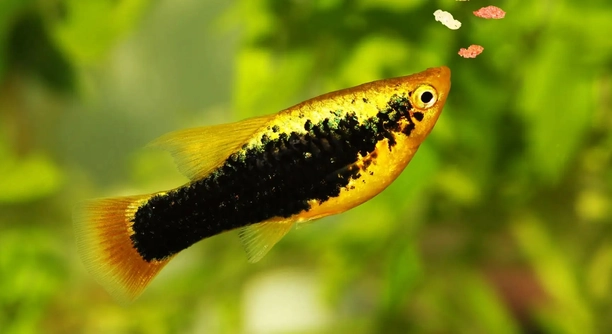
Are your platies often seen hovering near the air stone in their tank? Many fish owners notice this behavior and wonder what it means. It can be a common sight in home aquariums with these colorful, peaceful fish.
Platies stay near the air stone primarily because it increases oxygen levels and creates gentle water movement. This environment provides them with better respiration and comfort, especially if the tank’s overall oxygen concentration is low or the water is still.
Understanding why your platies prefer the air stone area can help improve their tank conditions and overall health. This article will explain the reasons behind this behavior and what you can do about it.
Why Platies Are Drawn to the Air Stone
Platies often gather near the air stone because it improves the water quality around them. The air stone releases tiny bubbles that increase oxygen in the tank, which fish need to breathe properly. If your tank has limited surface agitation or overcrowding, oxygen levels can drop, causing platies to seek areas where the water is more oxygen-rich. The constant movement of bubbles also helps circulate the water, preventing it from becoming stagnant. This makes the area near the air stone more comfortable and stimulating for your fish. Additionally, the gentle current created by the bubbles can feel like a natural environment, as platies in the wild often swim in slow-moving streams. This explains why you might see your platies sticking close to the air stone more often than other parts of the tank.
Many platies prefer well-oxygenated water and gentle currents, which the air stone provides.
Besides oxygen, the bubbles may reduce stress for platies by mimicking their natural habitat. The constant water movement near the air stone can help keep them active and healthy. If your tank is warm or has poor filtration, oxygen levels drop faster, pushing fish toward this area. Ensuring proper tank maintenance, including regular water changes and avoiding overcrowding, can reduce the need for fish to cluster near the air stone. Adjusting the air stone’s output or adding a filter that circulates water well can also help spread oxygen evenly throughout the tank. This way, platies will feel comfortable swimming in all areas, not just near the air stone.
How to Improve Oxygen Levels in Your Tank
Maintaining good oxygen levels means keeping water clean and well-circulated.
A few simple changes can improve oxygen throughout the tank. First, regular water changes remove waste that reduces oxygen. Next, adding a filter or adjusting the air stone can increase water movement. Make sure the tank isn’t overcrowded, since too many fish consume oxygen faster than it can be replaced. Also, keep the tank temperature stable, as warmer water holds less oxygen. Finally, adding live plants can help oxygenate the water naturally. When these steps are taken, your platies will spread out more evenly, enjoying their tank without crowding near the air stone.
Signs of Low Oxygen in Your Tank
Fish gasping at the surface or staying near the air stone often indicate low oxygen levels. Slow movement and lethargy can also be signs your platies are struggling to get enough air.
Low oxygen can stress your platies and harm their health. If they cluster near the air stone, it means other parts of the tank may not have enough oxygen. Watch for increased gill movement or fish floating near the surface, which shows they are trying to breathe better. Poor water quality, overcrowding, or high temperatures can all reduce oxygen levels. Testing the water regularly and maintaining the tank properly will help prevent these issues. Using an air stone or filter that creates surface agitation can also improve oxygen exchange.
If your platies show these signs, it is important to act quickly. Increasing water circulation and cleaning the tank can bring oxygen back to safe levels. This will help your fish feel comfortable and healthy throughout the entire aquarium.
Adjusting Air Stone Placement and Size
Positioning the air stone correctly can make a big difference in oxygen distribution. Place it where water circulation is poor to help spread oxygen more evenly.
Choosing the right size air stone for your tank is important. A larger air stone produces more bubbles and better circulation but can be too strong for small or delicate fish like platies. If the flow is too strong, fish may avoid the area or become stressed. It’s best to find a balance between enough oxygen and gentle water movement. Experiment with different air stone sizes and locations until your platies are comfortable swimming around the whole tank. This simple change can reduce crowding near the air stone and improve overall tank health.
Tank Temperature and Oxygen Levels
Warmer water holds less oxygen, which can cause platies to stay near the air stone for more oxygen. Maintaining a stable, moderate temperature helps keep oxygen levels balanced.
Using a reliable aquarium heater and thermometer can prevent temperature swings. Avoid placing the tank near heat sources or direct sunlight to keep conditions steady.
Overcrowding and Its Impact
Too many fish in one tank use up oxygen faster than it can be replaced. Overcrowding leads to low oxygen areas, making platies cluster near the air stone.
Proper stocking limits and regular water changes reduce oxygen depletion. Keeping the tank balanced ensures your fish have enough space and oxygen to swim freely and stay healthy.
Importance of Regular Water Changes
Regular water changes remove waste that consumes oxygen. Fresh water restores oxygen levels, helping platies feel comfortable throughout the tank.
Using Live Plants to Increase Oxygen
Live plants naturally add oxygen through photosynthesis. Adding suitable plants improves water quality and creates a healthier environment for platies.
FAQ
Why do my platies always stay near the air stone?
Platies tend to stay near the air stone because it releases oxygen into the water and creates gentle currents. These conditions help fish breathe better and feel more comfortable. If your tank has low oxygen or poor water movement, platies will gather near the air stone where oxygen is higher. This behavior is natural and shows they are seeking the best environment for themselves.
Is it normal for platies to prefer one side of the tank?
Yes, it is common for platies to favor areas with better oxygen or water flow. The side with the air stone or filter often has more circulation and higher oxygen levels. If the other parts of the tank are still or lack oxygen, platies will spend more time where conditions are better. Ensuring even water movement and proper tank maintenance can help them spread out more evenly.
Can poor water quality make platies stay near the air stone?
Poor water quality can reduce oxygen levels and increase toxins, making fish uncomfortable. Platies might stay near the air stone because the bubbles help mix the water and slightly improve conditions. Testing the water regularly and doing proper cleaning will improve overall tank health and reduce this behavior.
How often should I change my aquarium water?
Changing 20-30% of your aquarium water every one to two weeks is ideal. Regular water changes remove waste and replenish oxygen. This keeps the environment safe and healthy for your platies, preventing them from crowding near the air stone.
Will increasing the air stone output stress my platies?
If the air stone produces too many bubbles or strong currents, platies might get stressed and avoid the area. They prefer gentle water movement. Adjust the air stone flow so bubbles are steady but not too forceful. This helps keep the tank oxygenated without causing discomfort.
Are live plants helpful for platies’ oxygen needs?
Yes, live plants add oxygen during photosynthesis and improve water quality by absorbing waste. Adding easy-care plants like Java fern or Anubias can help maintain oxygen levels naturally. Plants also provide hiding spots and reduce stress for your platies.
Can temperature affect how much time platies spend near the air stone?
Yes, warmer water holds less oxygen. When the tank temperature rises, platies may spend more time near the air stone to get enough oxygen. Keep the tank temperature stable, ideally between 72°F and 78°F, to ensure oxygen remains at good levels.
What should I do if my platies are gasping at the surface?
Gasping at the surface is a sign of low oxygen. Check water quality, temperature, and filtration immediately. Increase oxygen by adjusting the air stone, adding a filter, or doing a partial water change. Improving tank conditions quickly can prevent stress or illness.
Can overcrowding cause platies to stay near the air stone?
Yes, too many fish in a small tank use up oxygen faster, leading to low oxygen zones. This forces platies to gather near the air stone where oxygen is higher. Keeping the right number of fish and maintaining water quality prevents this issue.
Is it okay for platies to stay near the air stone all the time?
It’s normal for platies to visit the air stone, but if they stay there constantly, it may indicate a problem with oxygen levels or water quality. Check tank conditions and make adjustments as needed to keep your fish comfortable throughout the whole aquarium.
Platies staying near the air stone is a common behavior that usually relates to their need for better oxygen and water movement. When oxygen levels in the tank are low, fish naturally seek out areas where they can breathe more easily. The air stone creates tiny bubbles that help increase oxygen and move water gently, making it an attractive spot for platies. This behavior is a good sign that your fish are responding to their environment, but it also signals that some adjustments might be needed to improve tank conditions.
Maintaining proper oxygen levels is important for keeping platies healthy and active. Simple steps like regular water changes, avoiding overcrowding, and ensuring good water circulation can help prevent oxygen shortages. Placing the air stone correctly and choosing the right size also contribute to better oxygen distribution. Temperature control plays a role as well, since warmer water holds less oxygen. Adding live plants is another natural way to improve oxygen and provide a more comfortable habitat for your fish. When these factors are balanced, platies will swim freely around the tank instead of crowding near the air stone.
Overall, paying attention to your tank’s oxygen levels and water quality is essential for your platies’ well-being. Observing their behavior near the air stone gives you valuable clues about their environment. By taking small, consistent steps to improve tank conditions, you can create a healthier space where your platies feel safe and happy. This not only helps them thrive but also makes your aquarium more enjoyable to watch.

Hello,
If you enjoy the content that we create, please consider saying a "Thank You!" by leaving a tip.
Every little bit helps us continue crafting quality advice that supports the health, happiness, and well-being of pets around the world, for pets of all shapes, sizes, and species.
We really appreciate the kindness and support that you show us!