
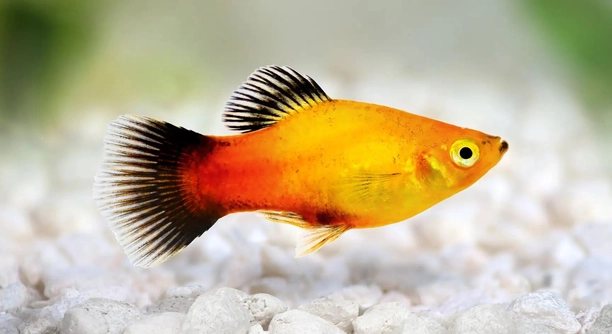
Are your platies hiding away all day and only coming out to play once the lights are off and the room is quiet?
The most common reason platies are only active after lights off is due to stress or discomfort caused by bright lighting or lack of proper hiding spaces. This behavior may also indicate poor tank conditions or incompatible tank mates.
There’s more to this behavior than just nighttime preference, and understanding the cause can help improve your fish’s comfort and well-being.
Why Platies Prefer the Dark
Bright lighting can make platies feel exposed and stressed, especially if they don’t have enough plants or decorations to hide behind. In nature, they are more active during low light periods because it feels safer. If your tank lights are too intense, your platies may wait until they’re off to explore. A lack of cover, noisy surroundings, or quick movements outside the tank can also make them skittish during the day. Over time, this stress builds and leads them to hide more. Poor water quality or sudden changes in temperature can add to their discomfort. It’s important to observe their daily habits and tank conditions to rule out anything harmful. Creating a more peaceful environment and providing enough cover helps them feel safe. If your platies are otherwise healthy and active at night, the lighting or tank setup is likely the issue, not a disease or illness.
A dark tank can mimic dusk, which signals safety for platies and encourages them to come out more often.
Instead of assuming your fish are shy, it may be more about how secure they feel during the day. Try adding more plants or dimming the lights slightly. These small changes can lead to a big difference in their activity.
How to Help Your Platies Feel Comfortable
Make sure your tank has plenty of hiding places and plants. This gives your platies areas to retreat during the day and helps them feel secure.
Tank setup plays a big role in how active platies are. Live plants like Java fern, hornwort, or floating plants can offer shade and make the tank feel more natural. Smooth decorations and driftwood also give your fish places to rest and hide. Try keeping your tank lights on for 8–10 hours a day, but avoid harsh or bright lighting. Soft, adjustable LED lights are a great option. If your tank is in a busy room, reduce sudden movements and loud noises near it. Also, check your water parameters weekly to make sure everything is stable—ammonia, nitrite, nitrate, and temperature matter more than you might think. When all of these elements work together, platies usually become more comfortable swimming during the day. Watch how they respond when you make changes. You’ll likely notice them become more active even while the lights are on.
Common Mistakes That Cause Daytime Hiding
Many people use lighting that’s too bright for a small tank, which can make platies uncomfortable. It’s also easy to forget how important hiding spots are. Without cover, they may avoid open areas during the day.
Feeding routines can also play a part. If you only feed at night, platies may adjust their activity to match. Changing their schedule slightly can help them feel more confident during daylight hours. Water quality issues are another factor. Even slight ammonia or nitrate spikes can make fish act strangely. Overcrowding or placing them with aggressive tank mates can also lead to stress and hiding. Some platies are naturally shy, especially when first introduced to a new tank. Give them time to adjust and settle in. Watching how they behave over several days can help you spot patterns and decide if changes are needed to their care or environment.
When cleaning your tank, avoid changing too much water at once. Sudden shifts in temperature or pH can stress platies and affect their activity levels. Try replacing only about 25% of the water weekly and match the new water’s temperature to what’s already in the tank. A stable environment makes a big difference in how your fish behave. If they seem scared after water changes, consider testing your water for sudden spikes or drops. Also, avoid placing their tank in direct sunlight, which can lead to rapid changes in water temperature. Making small, steady changes is often more helpful than doing everything at once. This gives your fish time to adjust and feel safe throughout the day.
Environmental Factors That Influence Behavior
Platies are sensitive to their surroundings. Noisy rooms, strong currents, or harsh lighting can all impact their behavior. A calm and balanced environment helps them feel safe and behave more naturally during the day.
Try to keep your tank in a quieter area of your home, away from loud televisions or high foot traffic. Use sponge filters or adjustable flow filters to reduce current strength. Sudden movement outside the tank can startle your fish, so consider placing a background poster or positioning the tank so it’s against a wall. Dim the lighting with floating plants or switch to adjustable LED lights. This helps them feel less exposed. Make sure your heater keeps the water stable between 74–78°F. Any drastic temperature drops, even from air conditioning, can change their behavior. It’s all about helping them feel protected and calm, which naturally encourages more daytime activity without forcing any changes.
Behavior Differences Between Day and Night
At night, the tank is quieter and darker, which makes platies feel more secure. This calm setting encourages them to swim freely, explore, and feed without feeling threatened or stressed by sudden movements or bright light.
During the day, noise, bright lighting, or tank mates can cause them to stay hidden. If they feel watched or exposed, they often choose safety over activity. Their behavior isn’t unusual—many small fish are more active when the environment feels low-risk and steady.
When to Be Concerned
If your platies suddenly stop being active altogether, even at night, this may point to a health issue or serious stress. Check for clamped fins, unusual swimming patterns, or color fading. Test the water for ammonia or nitrites and look out for signs of illness. A healthy fish should still eat and explore at some point in the day. If they don’t, observe them closely for a few days. If the behavior continues, it might be time to consult an aquatic vet or fish expert for guidance. Catching problems early can make a big difference in recovery.
What Your Platies Might Be Trying to Tell You
Hiding during the day is often a sign that they don’t feel completely safe. Adjusting the tank setup can help them feel more at ease.
FAQ
Why do my platies hide as soon as I turn the lights on?
Bright lights can make platies feel exposed, especially in tanks with little cover. Without plants, decorations, or shaded areas, they may see the space as unsafe. In nature, they rely on low light to stay hidden from predators. When tank lights come on suddenly or are too strong, platies often retreat to corners or behind objects. Using dimmable lights, floating plants, or turning on room lights before the tank light can help them adjust slowly and feel less startled. Making the tank feel safe is key to encouraging more daytime movement.
Is it normal for platies to be active only at night?
It’s not unusual, especially if their tank setup encourages nighttime comfort more than daytime safety. Many fish adjust to their environment. If they’re always active after dark, it likely means they’re avoiding something during the day—light, movement, or tank mates. This isn’t necessarily a problem if they seem healthy and are eating well. But if you want to shift their activity to daytime, try soft lighting, more hiding spaces, and feeding them during the day to gently change their pattern.
Could other fish be stressing out my platies during the day?
Yes, aggressive or fast-moving tank mates can easily make platies uncomfortable. Fish like tiger barbs or large cichlids may chase or intimidate them. Even if there’s no visible fighting, subtle stress can make platies retreat. Observe your tank closely to see if another fish is hovering too close or being overly active. If so, consider separating them or rearranging the tank to create more hiding spaces and zones. A peaceful community setup helps platies feel safe enough to come out more often, even when lights are on.
Can water quality affect when my platies are active?
Absolutely. Poor water quality can cause fish to act differently. If ammonia, nitrites, or even high nitrates are present, your platies may stay hidden or show signs of stress. Make sure your filter is working properly, and test the water weekly using a reliable kit. Even a small spike in ammonia can cause behavioral changes. Stable, clean water helps fish feel comfortable and active throughout the day. If you notice a sudden change in behavior, water quality is one of the first things to check.
Will platies adjust to being more active during the day over time?
Yes, many platies will adjust once they feel secure. It might take a few weeks of consistent lighting, routine feeding, and peaceful surroundings. Keep their environment stable and avoid sudden changes. Gradually changing their schedule by offering food during daylight hours and reducing loud noises can help shift their activity. If they’re still hiding after a few weeks, you may need to revisit your tank setup or check for other stressors.
Do platies need complete darkness at night to feel safe?
Platies benefit from a regular day-night cycle, which includes a period of darkness. Leaving lights on 24/7 can confuse their natural rhythms and cause stress. Use a timer to ensure they get about 8–10 hours of light daily, followed by darkness. Even dim lighting at night can interfere with their rest. If you need a night light for viewing, opt for a very soft blue LED. Still, it’s best to give them full darkness for proper rest.
Why do my platies only explore the tank when no one’s in the room?
Platies are sensitive to movement outside the tank. If your tank is in a busy spot—like near a hallway, door, or TV—they may stay hidden when there’s too much activity. Once the room is quiet and still, they start to explore. To help them feel more comfortable with people around, try walking slowly and avoiding sudden movements near the tank. Over time, they can become more used to your presence, especially if they associate you with feeding.
How do I know if their nighttime activity is healthy?
If your platies are swimming smoothly, showing bright colors, eating well, and interacting peacefully with other fish during the night, they’re likely healthy. Watch for signs like clamped fins, rapid breathing, or scratching against objects—these can signal stress or illness. Also check that their activity is regular and not frantic. Nighttime exploration should look calm and relaxed. If they’re only active at night but still show signs of health, focus on improving their comfort during the day instead of worrying about their schedule.
Final Thoughts
Platies are generally peaceful and easy to care for, but their behavior can sometimes be confusing. If they’re only active after the lights go off, it’s often because something in their daytime environment feels unsafe or uncomfortable. Bright lighting, loud sounds, a lack of hiding spaces, or even certain tank mates can all lead to this kind of behavior. While it’s not always a sign of illness, it’s something worth paying attention to. Fish that feel secure will show more natural behaviors throughout the day and night.
Adjusting their environment doesn’t have to be difficult. Start by checking your lighting and adding some live or artificial plants. Floating plants can help block harsh light and give your fish more shaded areas to relax. Make sure your tank has decorations or hiding spots so your platies can choose when they want to be seen. Keeping the tank in a quiet area of your home, away from sudden movement or loud noise, can also make a difference. Water quality is another important factor. Even if everything else looks fine, poor water conditions can affect their energy and behavior.
Platies can take time to adjust to new routines or changes in their surroundings. If you make changes gradually and watch their response, you’ll often notice small improvements. Feeding them during the day, using dim lighting instead of bright bulbs, and avoiding overcrowded tanks are all helpful steps. Every fish is a little different, but in most cases, these simple adjustments can lead to more active, happy fish during both day and night. By creating a comfortable and stable space, you give your platies the chance to feel safe and thrive in their tank.

Hello,
If you enjoy the content that we create, please consider saying a "Thank You!" by leaving a tip.
Every little bit helps us continue crafting quality advice that supports the health, happiness, and well-being of pets around the world, for pets of all shapes, sizes, and species.
We really appreciate the kindness and support that you show us!