
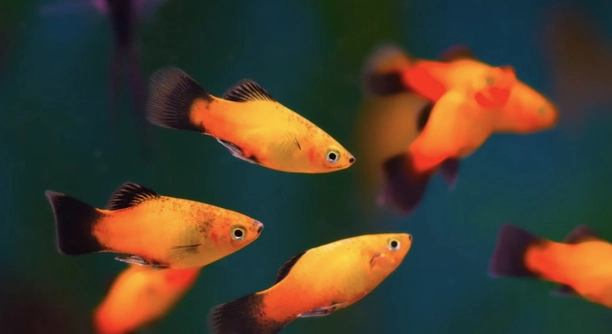
Platies are popular aquarium fish known for their bright and vibrant colors during the day. Many owners notice their colors become less vivid as evening approaches. This change can be surprising but is a natural part of their behavior.
Platies appear less colorful at night due to decreased light and their natural adaptation to avoid predators. Lower light levels reduce the visibility of pigments, and platies conserve energy by dimming their colors in darker conditions.
Understanding why platies change color can improve how you care for them and create a better environment in your tank. This article will explain the reasons behind their nighttime color shift.
Why Platies Lose Color at Night
Platies’ colors rely heavily on light to show their brightness. During the day, light reflects off their scales, making them appear vivid and lively. At night, when the lights are low or off, their colors naturally fade. This is because their bodies react to the change in environment by reducing pigment visibility. It is a survival instinct to help them avoid being too noticeable to potential threats. Their metabolism also slows down in the dark, which can reduce the intensity of their colors. This dimming effect is normal and does not mean the fish are unhealthy. In fact, it’s a natural part of their daily cycle. If your tank lighting is consistent and the water is clean, the color change is likely just a natural response to darkness. Understanding this can ease concerns about your platies’ nighttime appearance.
The color change at night helps platies stay safe and conserve energy. It is not a sign of illness.
Platies have specialized cells called chromatophores that control their color. These cells expand or contract depending on light and mood, which affects how bright their colors look. At night, the chromatophores contract, making colors less visible. Light intensity and spectrum in your tank also influence color brightness. Using a full-spectrum light during the day enhances color visibility. However, it is important to have a natural day-night light cycle to mimic their environment. Overexposure to light can stress platies and harm their health. Proper lighting and tank maintenance will support your fish’s natural rhythms and color expression.
How Lighting Affects Platy Colors
Platies need a balanced light cycle to maintain their health and color. Too little light can cause colors to fade during the day, while too much light can stress them out.
Providing about 10-12 hours of light daily helps platies show their best colors. Consistent lighting mimics their natural environment, allowing their pigments to function properly. Using LED or full-spectrum bulbs designed for aquariums enhances their natural colors. It is important to give the fish darkness at night to rest and prevent stress. A timer can help regulate this cycle automatically. Adjusting the tank’s lighting based on these needs improves overall fish health and color vibrancy.
In addition to light, water quality and diet also influence platy colors. Clean, well-filtered water reduces stress, allowing colors to stay vivid. Feeding a balanced diet rich in nutrients like carotenoids enhances pigmentation naturally. Foods like spirulina, brine shrimp, and specially formulated pellets support their color health. Combining proper light management with good water conditions and nutrition creates the best environment for your platies to thrive and display their full range of colors.
Temperature and Color Changes
Water temperature affects platies’ metabolism and color intensity. Warmer water generally encourages brighter colors, while cooler water can dull them. Maintaining a stable temperature is key for their well-being.
Platies thrive in temperatures between 72°F and 78°F (22°C to 26°C). When the water gets too cold, their metabolism slows, reducing pigment activity and making colors appear faded. Sudden temperature changes can stress the fish, leading to further color loss and health problems. Consistent warmth keeps their bodily functions active and supports vibrant coloration.
It’s important to use a reliable heater and monitor the tank temperature regularly. Avoid placing the aquarium near drafts or heat sources that cause fluctuations. Stable water conditions help your platies maintain their bright colors and overall health.
Stress and Its Effect on Color
Stress can cause platies to lose their bright colors quickly. Stress factors include overcrowding, poor water quality, and aggressive tank mates.
Stress triggers a biological response that reduces pigment visibility and dulls color. Fish under constant stress may develop faded or patchy coloring. Maintaining clean water with regular changes, avoiding overcrowding, and choosing peaceful tank mates reduces stress.
Creating a calm, well-maintained environment helps platies show their natural colors. Stress management is essential to keeping your fish healthy and vibrant. Regular observation helps detect early signs of stress so adjustments can be made promptly.
Diet and Color Vibrancy
A balanced diet rich in natural pigments helps maintain platies’ bright colors. Foods containing carotenoids, like shrimp and spirulina, boost coloration.
Avoid feeding too many fillers or low-quality flakes. A nutritious diet supports both health and vivid colors.
Natural Behavior at Night
Platies dim their colors naturally at night as part of their instinct to stay hidden from predators. This behavior is common and healthy.
At night, they become less active and their chromatophores contract, reducing color intensity until daylight returns.
Tank Setup and Lighting Position
The position of your aquarium’s lighting affects how colors appear. Lights placed too high or far can reduce brightness.
Adjusting the light closer or using reflective backgrounds enhances how vivid platies look during the day.
Signs of Unhealthy Color Changes
Sudden or patchy color loss may signal illness or poor water conditions. Watch for other symptoms like lethargy or spots.
FAQ
Why do my platies lose color only at night?
Platies naturally dim their colors at night due to lower light levels and an instinct to avoid predators. Their chromatophores, which control pigment visibility, contract in darkness, making colors less vibrant. This is a normal behavior and usually not a cause for concern.
Can poor water quality affect platy coloration?
Yes, poor water quality stresses platies and often leads to dull or faded colors. High levels of ammonia, nitrites, or nitrates harm their health and weaken their immune system. Regular water changes and proper filtration keep water clean and help maintain bright colors.
Does lighting affect how colorful platies appear?
Lighting plays a major role in platy coloration. Full-spectrum aquarium lights enhance their natural colors during the day. Insufficient or inconsistent lighting can make colors look dull. Maintaining a balanced day-night cycle with 10-12 hours of light supports healthy pigmentation.
What foods help improve platy colors?
Foods rich in carotenoids, such as brine shrimp, spirulina, and specially formulated color-enhancing flakes or pellets, help boost platy coloration. A varied diet with protein and vitamins also supports their overall health and color vibrancy.
Is temperature important for platy color?
Yes, platies show brighter colors in stable temperatures between 72°F and 78°F (22°C to 26°C). Temperature fluctuations or cold water slow their metabolism and reduce pigment activity, causing colors to fade. Using a reliable heater helps keep temperature steady.
Can stress cause platies to lose color?
Stress is a common reason for dull colors. Overcrowding, aggressive tank mates, poor water conditions, and sudden changes in the environment can stress fish. Reducing these factors and keeping a calm tank encourages platies to display their natural, vibrant colors.
Are there health issues linked to color changes?
Sudden, patchy, or uneven color loss can indicate illness. Look for other signs like lethargy, loss of appetite, spots, or unusual behavior. If you notice these, test water parameters and consider consulting a vet or aquarium expert to address possible diseases.
Why do platies’ colors return during the day?
When lights turn on, chromatophores expand, making pigments visible again. Daylight signals platies to be more active and display their bright colors for social interaction and mating. This daily cycle is natural and important for their well-being.
Can too much light harm platy colors?
Excessive light can stress platies, causing them to hide or lose color as a defense. It can also encourage algae growth, which reduces water quality. Using a timer to control light duration and intensity helps maintain a healthy environment and supports vibrant colors.
How often should I change the water to keep platies colorful?
Regular water changes, about 20-30% weekly, help remove waste and toxins that dull colors and harm fish health. Consistent maintenance supports a stable environment, reducing stress and promoting natural coloration.
Is it normal for juvenile platies to have less vibrant colors?
Yes, young platies often have muted colors that brighten as they mature. Their pigmentation develops over time, so color changes in juveniles are typical and expected.
Can tank decorations impact platy colors?
Bright or reflective decorations can enhance the appearance of platy colors by reflecting light. Dark backgrounds tend to make colors stand out more, while cluttered or dull setups may reduce visibility. Choosing appropriate decor can improve how your fish look.
Final Thoughts
Platies are beautiful fish that naturally change their color throughout the day. Their colors look brightest during daylight because they rely on light to show their true vibrancy. At night, their colors fade as a natural response to darkness and a way to stay safe from predators. This change is a normal part of their behavior and does not mean the fish are unhealthy or stressed. Understanding this natural cycle helps set realistic expectations for how your platies will look at different times.
Maintaining the right conditions in your aquarium is important for keeping your platies healthy and colorful. Proper lighting with a balanced day and night cycle supports their natural rhythms and allows their colors to shine. Water quality must be regularly checked and kept clean to prevent stress, which can cause dulling of their colors. Stable water temperature, a nutritious diet rich in pigments, and a peaceful environment all play a role in supporting your fish’s bright colors. Each of these factors works together to create an ideal home where your platies can thrive.
It is normal for platies to appear less colorful at night, but sudden or unusual changes in color could indicate health or environmental problems. Watching your fish closely for any other signs of illness or stress will help you catch issues early. Taking good care of your tank and paying attention to your platies’ needs will ensure they remain vibrant and healthy. By learning how their colors change and why, you can enjoy the beauty of your fish both day and night.

Hello,
If you enjoy the content that we create, please consider saying a "Thank You!" by leaving a tip.
Every little bit helps us continue crafting quality advice that supports the health, happiness, and well-being of pets around the world, for pets of all shapes, sizes, and species.
We really appreciate the kindness and support that you show us!