
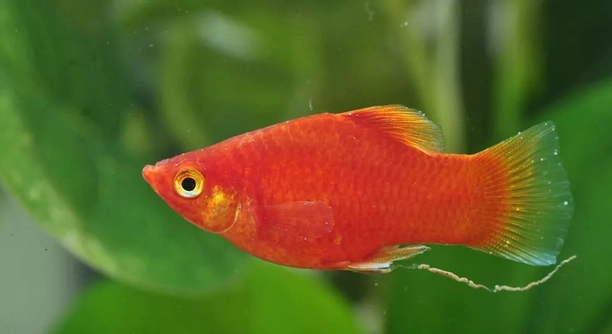
Are your platies gathering closely and hovering in a tight group, leaving you unsure about what this behavior might mean?
Platies often group together and hover when they feel stressed, threatened, or uncomfortable with their environment. This behavior can be triggered by poor water conditions, overcrowding, or sudden changes in their tank setup.
Understanding the reasons behind this behavior can help you create a safer and more stable environment for your fish.
Possible Reasons Behind Grouping Behavior
When platies hover in a tight group, it usually signals discomfort. One of the most common reasons is poor water quality. Ammonia, nitrite, or nitrate spikes can cause stress, pushing the fish to group as a defensive instinct. They might also be reacting to sudden changes, like temperature drops or new tankmates. Overcrowding is another concern; platies need space to swim freely, and limited room often leads to anxiety. Loud noises, bright lights, or frequent tank disruptions can also trigger grouping behavior. Lastly, illness may play a role—sick fish often isolate or group due to weakened immunity. It’s important to monitor for signs like fin clamping, color fading, or lack of appetite. When platies feel unsafe, their instincts push them to seek security in numbers, mimicking their behavior in the wild.
Watch how long the grouping continues and note any signs of stress or illness. It helps narrow down the cause.
If the water is clean, and there are no aggressive fish, the grouping might be short-lived. However, it’s best to test the water regularly and ensure your tank is not overstocked. Routine maintenance, calm surroundings, and proper feeding help reduce stress and keep your platies comfortable and active.
What You Can Do to Help
Start by checking your water parameters. Poor conditions are one of the fastest ways to stress out your fish and change their behavior.
Test the ammonia, nitrite, and nitrate levels using a reliable aquarium test kit. If anything is off, a partial water change can help. Make sure the temperature is stable, usually between 72–78°F for platies. Also, observe their tankmates—some fish may nip or chase platies, causing them to hover in fear. If aggression is present, consider separating them. Keep lighting soft and avoid tapping or sudden movements near the tank. Ensure there’s enough room to swim and hide; overcrowding often leads to group hovering. Decor like plants or caves can give them space to feel safe. Feed a balanced diet, but avoid overfeeding, as it can foul the water. Observe your fish daily. Noticing small changes early can prevent bigger problems later. When your platies feel secure, their behavior usually returns to normal.
Environmental Stress Factors
Environmental stress is one of the most common triggers for odd fish behavior. Even slight changes in the tank setup can lead to discomfort. Platies are sensitive to shifts in their surroundings and react quickly when something feels off.
A sudden drop or rise in water temperature can cause stress, especially if it happens quickly. Platies prefer stable conditions, and even a few degrees off can push them to group together. Strong water currents from filters or air pumps can also create discomfort, especially if they have nowhere to escape the flow. A tank with too much open space and not enough cover can make them feel exposed. They may hover in one area that feels safest. Changes in the room, such as loud noises or flashing lights, may also affect them. Consistency is important when keeping platies calm and comfortable.
If the lighting is too bright or left on for too long, it can stress the fish. Platies do best with a gentle light cycle—about 8 to 10 hours of light per day. Try adding floating plants or dimmer lights if they seem uncomfortable. Poor substrate choices or strong-colored decorations can also overwhelm them. Choose neutral tones and natural setups when possible.
Signs of Illness
When platies are sick, they often stay close together and avoid swimming around. Look for clamped fins, rapid gill movement, pale colors, or white spots. These signs may point to a bacterial infection, parasites, or poor water conditions.
Loss of appetite and unusual swimming patterns can also be warning signs. If one or more fish separate from the group and hide or float near the surface, it’s time to take a closer look. Early treatment often prevents the issue from spreading to other fish.
Social Behavior in Platies
Platies are social fish and often swim in groups, especially when young or newly introduced to a tank. Grouping can sometimes be normal if they are exploring new surroundings or adjusting to a new tank setup. It’s also common for them to stay close together if they feel uncertain. If they’re healthy and the water quality is good, they’ll usually settle into more relaxed patterns once they feel secure.
When to Be Concerned
If the behavior lasts more than a day or two and is paired with other warning signs, it’s best to act quickly.
FAQ
Why are my platies hovering in a tight group?
Platies often group tightly when stressed or feeling unsafe. Common causes include poor water quality, sudden changes in temperature, overcrowding, or tank disturbances. This behavior helps them feel more secure, mimicking how they act in the wild to avoid threats.
Is it normal for platies to group like this?
Some grouping is normal, especially in new tanks or when platies are young. It’s a social species, so they often swim close together. However, if the grouping lasts too long or looks tense, it could mean something is wrong.
How do I check if water quality is causing stress?
Use an aquarium test kit to check ammonia, nitrite, and nitrate levels. Ammonia and nitrite should always be at zero. Nitrates should stay below 20 ppm. Regular water changes and proper filtration keep these levels safe.
Can temperature changes make platies group together?
Yes, platies prefer stable temperatures between 72 and 78°F (22-25°C). Sudden drops or spikes can stress them, leading to tight grouping as they seek safety. Use a reliable heater and thermometer to maintain steady warmth.
What tank conditions help prevent this behavior?
Provide enough space for swimming and hiding spots like plants or decorations. Avoid overcrowding, keep the water clean, and maintain steady lighting with 8 to 10 hours of light daily. A quiet environment also helps reduce stress.
Could tankmates cause platies to group tightly?
Aggressive or overly active fish can scare platies, making them cluster for protection. If you notice chasing or nipping, consider separating species or rearranging the tank to give platies safe spaces.
Are there signs that my platies might be sick?
Look for clamped fins, pale or faded colors, white spots, or rapid breathing. Loss of appetite and sluggish swimming are also signs. Sick fish may hide or stay at the surface more often.
What should I do if my platies show signs of illness?
Isolate the affected fish if possible, test water quality, and treat the tank with appropriate medication. Maintaining clean water and a balanced diet helps prevent many common diseases.
Does lighting affect platies’ behavior?
Yes, bright or constant lighting can stress platies. They prefer a gentle light cycle, ideally 8 to 10 hours a day. Adding floating plants or dimming lights can create a more natural, comfortable setting.
How long does this grouping behavior usually last?
If caused by a temporary issue like new tank setup or minor stress, it may last a day or two. Prolonged grouping often points to ongoing stressors like poor water, illness, or bullying.
Can feeding habits influence platies’ grouping?
Yes, irregular feeding or overfeeding can stress fish. Overfeeding leads to poor water quality, while inconsistent feeding might make them anxious. Feed small, balanced portions once or twice a day.
Is it necessary to rearrange the tank if platies group tightly?
Sometimes changing the tank layout to add more plants or hiding spots helps. It gives platies safe zones to explore and reduces stress, encouraging them to swim more freely.
Should I worry if only some platies group tightly while others don’t?
It might mean a few fish feel threatened or sick. Watch closely for signs of illness or bullying. Early intervention prevents problems from affecting the whole group.
What’s the best way to keep platies happy and healthy?
Maintain clean water with regular changes, stable temperature, gentle lighting, and enough space. Feed a balanced diet and keep compatible tankmates. A peaceful environment helps platies feel secure and behave naturally.
Platies are generally peaceful and social fish that bring life and color to any aquarium. When they hover in a tight group, it usually means something in their environment is causing them stress or discomfort. This behavior is a natural response to feeling unsafe, much like how animals in the wild seek safety in numbers. Understanding the possible reasons behind this grouping helps you take better care of your fish and create a tank where they can thrive. Whether it’s water quality, temperature, lighting, or tankmates, each factor plays a role in their overall well-being.
Keeping your platies comfortable requires paying close attention to their surroundings. Clean water with stable parameters is the foundation of a healthy tank. Regular testing and maintenance prevent harmful chemicals from building up and causing stress. Temperature should remain steady, as sudden changes can make the fish uneasy. Providing enough space and hiding places also reduces their need to stick together tightly. When platies have places to explore and feel safe, their behavior becomes more relaxed and natural. It is important to observe your fish daily so you can spot any changes quickly and adjust care as needed.
By addressing these key areas, you can reduce the chances of your platies grouping tightly out of fear or stress. Remember that some grouping is normal, especially with new or young fish, but long-lasting tight groups signal that something needs attention. Making small changes to the environment, feeding routine, or tankmates often makes a big difference. Taking the time to understand your fish’s needs creates a calm, stable home where they can live healthily and happily. Regular care and observation are the best ways to ensure your platies stay active, colorful, and stress-free.

Hello,
If you enjoy the content that we create, please consider saying a "Thank You!" by leaving a tip.
Every little bit helps us continue crafting quality advice that supports the health, happiness, and well-being of pets around the world, for pets of all shapes, sizes, and species.
We really appreciate the kindness and support that you show us!